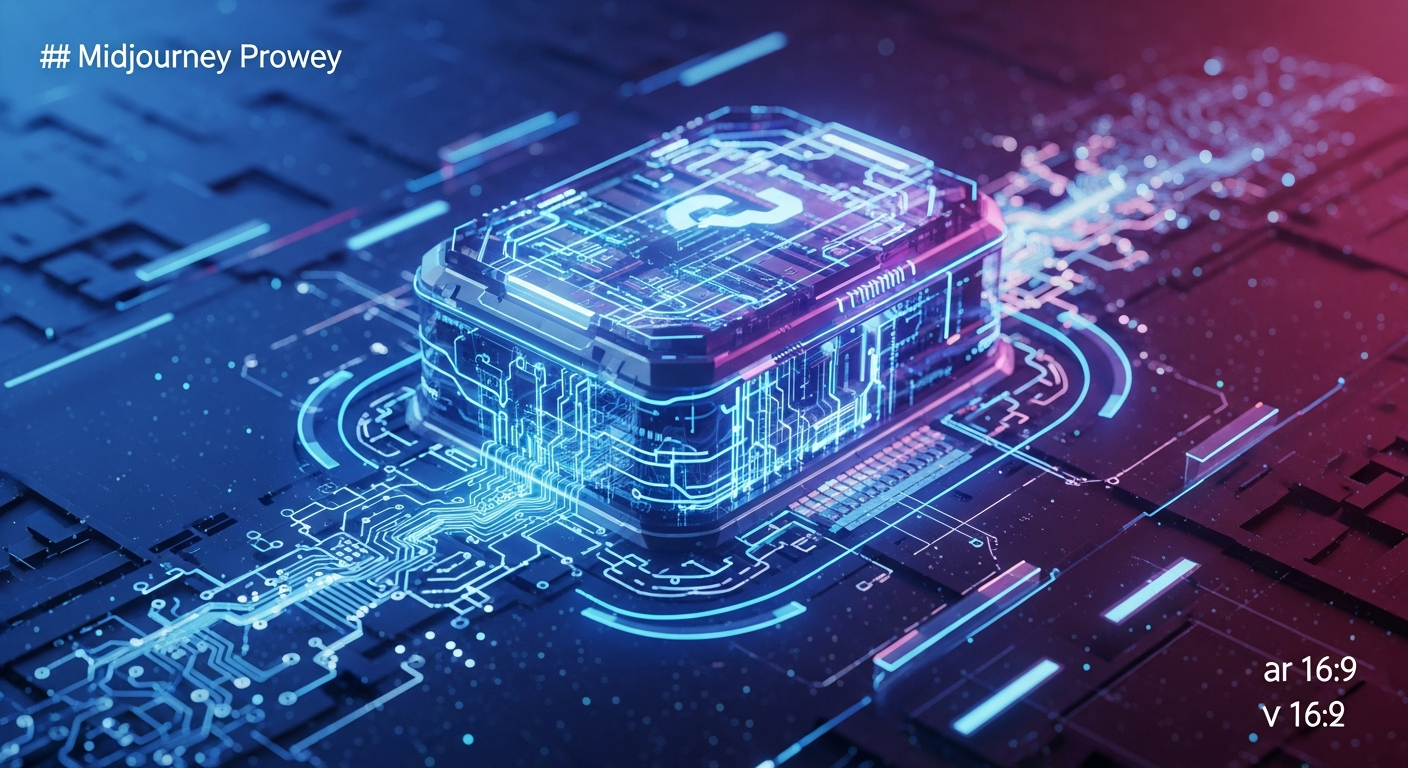
The Quantum Leap: Why Solid-State Batteries Are the Future of Electric Vehicles
The global transition to electric vehicles (EVs) has hit a critical bottleneck. While lithium-ion batteries have powered the first decade of the EV revolution, they are reaching their theoretical limits in terms of energy density, charging speed, and thermal stability. For the tech-savvy consumer, the phrase “range anxiety” is becoming a relic of the past, but “charging impatience” and “long-term degradation” remain very real concerns. This is where solid-state battery (SSB) technology enters the frame—not merely as an incremental upgrade, but as a fundamental paradigm shift in electrochemical energy storage.
By replacing the volatile liquid electrolyte found in current batteries with a stable solid material, solid-state technology promises to unlock a new era of mobility. Imagine an electric vehicle that travels 700 miles on a single charge, replenishes its capacity in the time it takes to grab a coffee, and remains fundamentally fireproof even in high-impact collisions. As we move into 2026, we are witnessing the transition of this technology from high-end research laboratories to the first generation of production-ready pilot vehicles. This article explores the mechanics, advantages, and real-world implications of the solid-state revolution.
The Chemistry of Change: How Solid-State Batteries Work
To understand the breakthrough, one must first understand the limitations of the status quo. Today’s conventional lithium-ion batteries consist of two electrodes—an anode and a cathode—separated by a porous plastic film soaked in a liquid organic electrolyte. Lithium ions move through this liquid during charge and discharge cycles. While effective, this liquid is flammable, sensitive to temperature extremes, and prone to the formation of “dendrites”—microscopic, needle-like structures that can puncture the separator and cause a short circuit.
Solid-state batteries eliminate the liquid entirely. In its place is a solid electrolyte made from ceramics, polymers, or sulfide-based glass. This change sounds simple, but it alters the battery’s internal physics in three profound ways. First, the solid electrolyte acts as both the medium for ion transport and the separator, allowing for a much thinner and more compact architecture. Second, because the solid material is non-flammable and mechanically robust, it can withstand much higher voltages and temperatures without the risk of thermal runaway.
Perhaps most importantly, solid-state electrolytes enable the use of a lithium-metal anode. In traditional batteries, anodes are typically made of graphite to “host” the lithium ions. A lithium-metal anode, however, allows for the highest possible energy density because the anode is made of the active material itself. This leap in material science is what allows a solid-state cell to pack twice the energy of a lithium-ion cell of the same weight.
Overcoming the “Holy Grail” Hurdles: Engineering Challenges
If solid-state batteries are so superior, why aren’t they in every smartphone and car today? The road to 2026 has been paved with significant engineering hurdles, primarily involving “interfacial resistance” and manufacturing scalability.
In a liquid battery, the fluid makes perfect contact with every nook and cranny of the electrodes. In a solid-state system, ensuring that a solid electrolyte maintains a perfect atomic-level connection with a solid electrode is incredibly difficult. As the battery charges and discharges, the materials physically expand and contract. If the solid layers pull apart even slightly, the flow of ions stops, and the battery fails. Engineers have spent years developing “soft” solid electrolytes or applying high-pressure packaging to keep these layers in constant contact.
Then there is the issue of dendrites. While solid electrolytes are tougher than plastic separators, lithium-metal can still find microscopic cracks in a ceramic or glass electrolyte, eventually “growing” through them. Solving this required the development of “self-healing” polymers and ultra-dense ceramic composites. Finally, there is the cost of manufacturing. Traditional “roll-to-roll” battery manufacturing is highly optimized; solid-state batteries often require vacuum deposition or high-pressure sintering processes that are significantly more expensive to scale. However, by 2026, several key players have successfully demonstrated pilot-scale production lines that bridge this economic gap.
Real-World Applications: The Landscape in 2026
As we look at the landscape in 2026, solid-state technology is no longer “five years away.” It has arrived in the premium and high-performance sectors of the automotive market. Major manufacturers, including Toyota, BMW, and Volkswagen (via their partnership with QuantumScape), have deployed their first validation fleets.
In 2026, the first production-series luxury grand tourers are hitting the roads equipped with 120 kWh solid-state packs. These vehicles are achieving real-world ranges of over 1,000 kilometers (approx. 620 miles) on a single charge. Because of the high thermal stability of the solid electrolyte, these cars do not require the heavy, complex liquid cooling systems found in 2024-era EVs. This weight saving further increases efficiency, creating a virtuous cycle of performance.
Beyond passenger cars, 2026 is seeing the integration of solid-state tech into heavy-duty applications. Long-haul trucking and short-range electric aviation (eVTOLs) are the primary beneficiaries. For an electric plane, weight is the ultimate enemy. The 400-500 Wh/kg energy density offered by solid-state cells—compared to the 250-300 Wh/kg of premium liquid-lithium cells—makes regional electric flights commercially viable for the first time. In these sectors, the higher initial cost of the battery is offset by the massive increase in payload capacity and safety.
The Impact on Daily Life: A New Charging Paradigm
For the average tech-savvy driver, the most tangible impact of solid-state technology in 2026 is the total transformation of the “fueling” experience. With traditional EVs, charging from 10% to 80% usually takes 20 to 40 minutes at a fast charger, and doing so repeatedly can accelerate battery degradation due to heat.
Solid-state batteries change the math. Because the solid electrolyte can handle massive current flows without overheating, “hyper-charging” becomes the norm. In 2026, a solid-state EV can regain 400 miles of range in less than 12 minutes. This brings the EV experience almost to parity with the time it takes to fill a tank of gasoline.
Furthermore, the lifespan of these vehicles is dramatically extended. Solid-state cells are projected to last for over 5,000 charge cycles—roughly equivalent to 1 million miles of driving—with minimal capacity loss. This shifts the car from a “depreciating tech gadget” to a long-term asset. In 2026, the secondary market for used EVs is beginning to stabilize because buyers no longer fear a “dead battery” after five years of ownership. Daily life becomes less about managing a battery and more about enjoying the drive, with the charging routine becoming an occasional, lightning-fast task rather than a logistical hurdle.
Sustainability and the Circular Economy
A critical but often overlooked aspect of the move to solid-state technology is its environmental footprint. Traditional lithium-ion batteries rely heavily on cobalt and nickel, materials often associated with difficult mining conditions and supply chain volatility. Many solid-state designs being commercialized in 2026 utilize high-manganese or even cobalt-free cathodes combined with lithium-metal anodes.
The solid-state architecture also simplifies the recycling process. Because there are no toxic liquid electrolytes to drain and neutralize, the mechanical “shredding” and material recovery process is safer and more efficient. In 2026, we are seeing the first “closed-loop” battery plants where the ceramic and metallic components of retired solid-state cells are recovered with 95% efficiency to create new ones.
Additionally, the increased safety of these batteries reduces the need for heavy structural reinforcement and fire-suppression systems within the vehicle chassis. This reduction in raw material usage per vehicle contributes to a lower total “cradle-to-grave” carbon footprint. For the environmentally conscious consumer, the solid-state EV represents the first time the industry has a clear path toward a truly sustainable, long-cycle transportation ecosystem.
FAQ: Understanding the Solid-State Shift
1. How do solid-state batteries differ from the batteries in current EVs?
The primary difference is the electrolyte. Current batteries use a flammable liquid; solid-state batteries use a solid material (ceramic, glass, or polymer). This allows for higher energy density, faster charging, and much better safety.
2. Are solid-state batteries actually fireproof?
While “fireproof” is a strong word, they are significantly safer than liquid-ion batteries. The solid electrolyte is non-flammable and remains stable at much higher temperatures, virtually eliminating the risk of “thermal runaway” or explosive fires caused by punctures.
3. When will I be able to buy an affordable car with this technology?
By 2026, solid-state batteries are appearing in high-end, premium vehicles and pilot programs. Like most new technologies, they will start at the top of the market. Mass-market affordability is expected to follow in the late 2020s as manufacturing scales and costs drop.
4. Does cold weather affect solid-state batteries like it does current EVs?
Solid-state batteries generally perform better in extreme temperatures. While liquid electrolytes can become viscous and slow down in the cold, certain solid electrolytes are designed to maintain high ionic conductivity even in freezing temperatures, leading to more consistent winter range.
5. Will solid-state batteries make current EVs obsolete?
Not immediately. Lithium-ion technology (especially LFP—Lithium Iron Phosphate) is becoming very cheap and is perfect for budget city cars. Solid-state will coexist as the “performance” option for long-range, fast-charging, and premium vehicles before eventually trickling down to the wider market.
Conclusion: Beyond the Horizon of 2026
The emergence of solid-state battery technology represents the most significant milestone in electrochemical storage since the commercialization of the lithium-ion battery in the early 1990s. As we navigate the year 2026, the conversation is shifting from “if” this technology will work to “how fast” we can scale it to meet global demand.
While challenges in high-volume manufacturing remain, the advantages are too great to ignore. We are moving toward a world where the limitations of energy storage no longer dictate the design of our vehicles or the rhythm of our lives. The solid-state era promises more than just better cars; it offers a blueprint for a more resilient, efficient, and mobile society. For tech enthusiasts and casual drivers alike, the message is clear: the future of energy is solid, and it is closer than ever before.