
The Future of Work: How AI is Reshaping Jobs by 2036
Affiliate disclosure: This article may contain affiliate links. Recommendations are independent and editorially driven.
TL;DR: AI and the Future of Work
Artificial Intelligence (AI) is fundamentally reshaping the global workforce, presenting both significant challenges and unparalleled opportunities. This deep dive into **AI’s impact on the future of work** explores how jobs are changing, the essential skills needed for human-AI collaboration, and the critical policy frameworks required for an equitable transition. We examine job displacement versus creation, the imperative of reskilling, ethical considerations, and strategies for businesses and individuals to thrive by 2036 and beyond.
Navigating the Guide: AI and the Future of Work

- The AI Revolution: A New Era for the Workforce
- Job Displacement and Creation: Navigating the Shifting Landscape
- The Imperative of Reskilling and Upskilling for an AI-Driven Future
- Human-AI Collaboration: The Synergy of Intelligence
- Ethical Considerations and Societal Impact of AI in the Workplace
- Policy, Governance, and Economic Strategies for an Equitable Transition
- Strategies for Businesses: Adapting to the AI Workforce Transformation
- Preparing for 2036 and Beyond: Long-Term Outlook
- Conclusion: Embracing the Future of Work with AI
- Frequently Asked Questions
The AI Revolution: A New Era for the Workforce
The dawn of Artificial Intelligence is not merely introducing new tools; it is catalyzing a seismic shift in the very fabric of how we work, learn, and organize our economies. As we navigate the mid-2020s, the profound implications of **AI’s impact on the future of work** are becoming increasingly clear, moving beyond theoretical discussions to tangible transformations across every sector. From automating routine tasks to generating unprecedented insights, AI is redefining roles, demanding new skill sets, and challenging existing economic and social structures.
For decades, automation has steadily changed industries, but AI’s advanced capabilities—including machine learning, natural language processing, and computer vision—herald a new era. Unlike previous technological advancements that primarily augmented physical labor or codified simple rules, AI can perform complex cognitive tasks, learn from data, and even make decisions. This capacity extends its influence from manufacturing floors to executive suites, impacting white-collar professions as much as, if not more than, blue-collar jobs.
The global economy in 2026 is grappling with a paradox: widespread fears of mass job displacement coexist with an urgent need for workers skilled in leveraging AI. This article aims to provide a comprehensive analysis of this dynamic landscape, offering insights into the evolving nature of jobs, the critical skills required for an AI-driven future, and the proactive strategies that individuals, businesses, and governments must adopt to harness the transformative power of AI for societal benefit. Understanding **AI’s impact on the future of work** is not just about adapting; it’s about proactively shaping a more productive, innovative, and equitable future.
Job Displacement and Creation: Navigating the Shifting Landscape
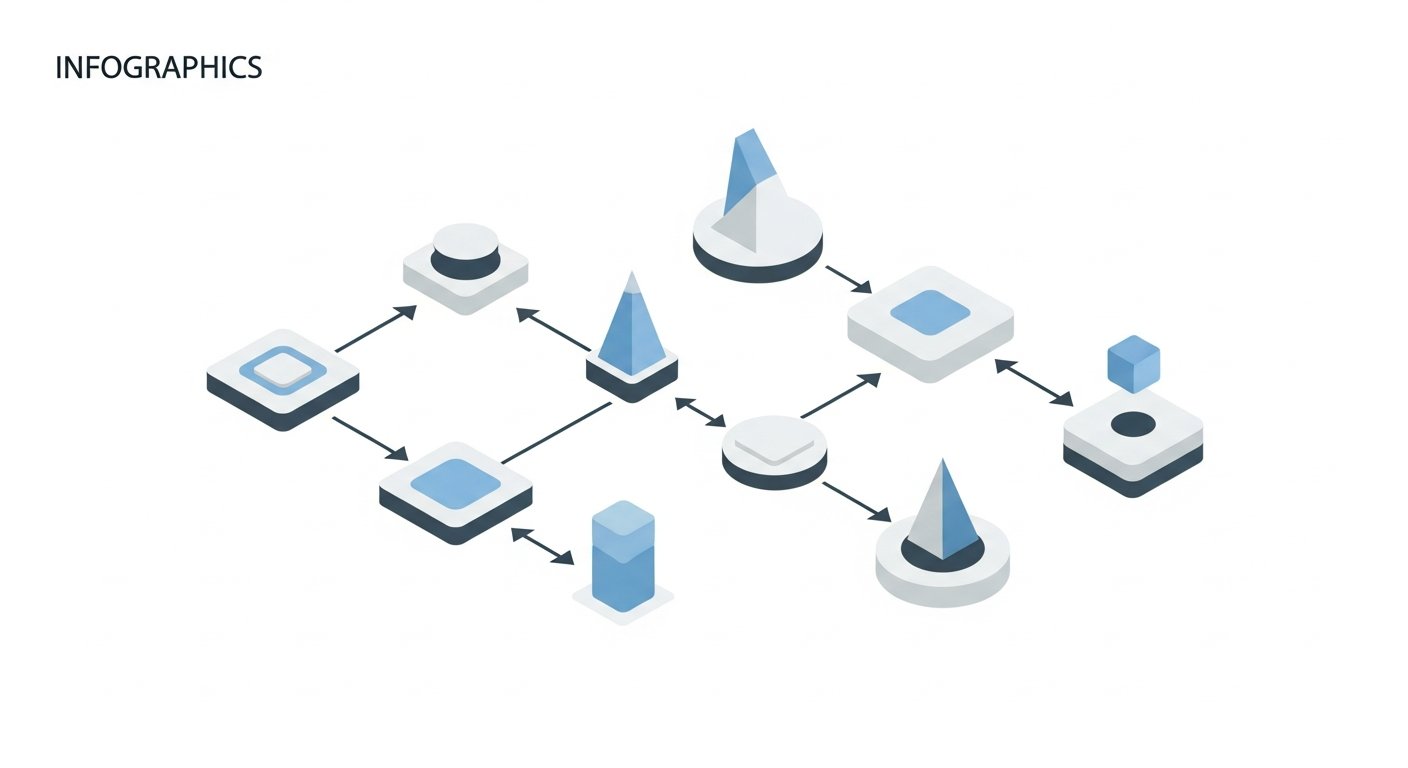
One of the most immediate and hotly debated aspects of **AI’s impact on the future of work** is its dual effect on employment: the potential for significant job displacement alongside the creation of entirely new roles. While alarming headlines often focus on jobs being lost to AI, a more nuanced understanding reveals a complex interplay of automation, augmentation, and innovation.
Historical precedence suggests that technological revolutions, while disruptive, ultimately lead to net job growth and increased prosperity. The industrial revolution, the advent of computers, and the internet each displaced certain types of work but generated new industries, services, and occupations that were previously unimaginable. AI is expected to follow a similar, albeit accelerated, trajectory, reshaping existing jobs rather than simply eradicating them.
Sectors Most Vulnerable to AI Automation
Certain sectors and job functions are inherently more susceptible to automation by AI due to their repetitive, data-intensive, or rule-based nature. These often include:
- Administrative and Clerical Roles: Tasks like data entry, scheduling, document processing, and basic customer service are increasingly being handled by AI-powered virtual assistants and automation software.
- Manufacturing and Logistics: While robotics have long been a feature, AI enhances these systems with greater precision, adaptability, and predictive maintenance, impacting roles in assembly, quality control, and warehouse management.
- Financial Services: AI algorithms excel at tasks like fraud detection, algorithmic trading, credit scoring, and even basic financial advice, potentially impacting roles in banking, insurance, and investment analysis.
- Transportation: The development of autonomous vehicles, from self-driving cars to delivery drones, poses a long-term threat to professional drivers and logistics coordinators.
- Entry-Level Professional Services: Areas like legal research, basic accounting, and content generation can be significantly streamlined by AI tools, affecting paralegals, junior accountants, and certain creative roles.
It’s crucial to understand that even within these sectors, complete job replacement is less common than task automation. AI often takes over the most mundane and time-consuming parts of a job, allowing human workers to focus on higher-value, more creative, and interpersonal aspects.
Emerging Roles and AI-Powered Job Growth
Just as AI displaces, it also creates. The implementation, maintenance, and ethical governance of AI systems themselves require a new class of professionals. Furthermore, the augmentation capabilities of AI foster new forms of work that leverage human creativity and critical thinking. Some of the fastest-growing job categories related to **AI’s impact on the future of work** include:
- AI Specialists: Machine learning engineers, data scientists, AI ethicists, AI trainers, prompt engineers, and AI architects.
- Human-AI Interaction Designers: Professionals focused on creating intuitive and effective interfaces for human collaboration with AI systems.
- Robotics Engineers and Technicians: Designing, building, and maintaining advanced robotic systems in various industries.
- Data Stewards and Curators: Ensuring the quality, integrity, and ethical use of the vast datasets that fuel AI.
- “Last-Mile” Human Roles: Jobs requiring uniquely human attributes such as empathy, complex problem-solving, strategic thinking, and emotional intelligence (e.g., therapists, educators, creative directors, strategic consultants).
- Green Economy Jobs: AI’s role in optimizing energy grids, designing sustainable materials, and managing environmental data will spur growth in eco-focused roles.
The net effect on employment will heavily depend on how quickly societies can adapt through education, training, and policy support. The challenge isn’t just about preparing for job losses, but about actively cultivating the skills and infrastructure to seize the opportunities presented by new AI-driven roles.
[INLINE IMAGE 1: place after second H2 | alt=”Conceptual illustration of AI’s impact on the future of work, showing humans collaborating with robots and AI interfaces in a dynamic, evolving workplace.”]
The Imperative of Reskilling and Upskilling for an AI-Driven Future
Amidst the profound changes brought by AI, the single most critical strategy for individuals and organizations alike is a relentless focus on reskilling and upskilling. As routine tasks become automated, the value of uniquely human capabilities, coupled with the ability to interact with and manage AI systems, skyrockets. This makes continuous learning not just an advantage, but a necessity for thriving in the future of work and AI.
Key Skills for Human-AI Collaboration
The skills gap is widening, distinguishing those prepared for the AI era from those left behind. Future-proof skills are often categorized into three main areas:
- Digital and AI Fluency:
- AI Literacy: Understanding how AI works, its capabilities, limitations, and ethical implications.
- Data Literacy: The ability to interpret, analyze, and communicate with data, given that AI thrives on data.
- Programming and Automation Tools: While not everyone needs to be a coder, familiarity with basic programming concepts or low-code/no-code AI tools will be invaluable.
- Prompt Engineering: The art and science of crafting effective inputs for generative AI models to achieve desired outputs.
- Cognitive and Critical Thinking Skills:
- Complex Problem Solving: Tackling novel, unstructured problems that AI cannot yet solve autonomously.
- Critical Thinking: Evaluating AI-generated information, identifying biases, and making informed judgments.
- Creativity and Innovation: Developing original ideas, designs, and strategies that AI can then help execute.
- Strategic Thinking: Envisioning future scenarios and planning how to leverage AI for organizational goals.
- Social and Emotional Intelligence:
- Emotional Intelligence (EQ): Empathy, self-awareness, and the ability to understand and manage emotions—crucial for leadership, client relations, and team dynamics.
- Collaboration and Teamwork: Working effectively with diverse human teams and integrating AI tools seamlessly.
- Communication: Clearly articulating ideas, insights, and instructions to both human colleagues and AI systems.
- Adaptability and Resilience: The capacity to learn continuously, embrace change, and recover from setbacks in a rapidly evolving environment.
These skills emphasize that human-AI teaming is not about humans competing with machines, but about combining the unique strengths of both to achieve superior outcomes. Organizations like the World Economic Forum consistently highlight these competencies as essential for navigating the complexities of **AI and jobs 2026** and beyond.
Lifelong Learning: A New Paradigm
The traditional model of education—front-loaded learning followed by decades of work—is obsolete. The rapid pace of technological change, particularly with AI, necessitates a paradigm shift towards lifelong learning. Individuals must proactively seek out opportunities to update their skills, whether through formal education, online courses, micro-credentials, or on-the-job training. Companies, too, bear a responsibility to invest in their workforce’s continuous development, recognizing that employee adaptability is a key competitive advantage.
- Accessible Learning Platforms: The rise of MOOCs (Massive Open Online Courses), specialized AI bootcamps, and corporate learning programs makes reskilling more accessible than ever.
- Micro-credentials and Stackable Skills: Focus on acquiring specific, in-demand skills through shorter, verifiable certifications that can be combined to build expertise.
- Internal Mobility Programs: Companies creating pathways for existing employees to transition into new AI-augmented or AI-focused roles through internal training.
Embracing a growth mindset and viewing learning as an ongoing journey will be paramount for anyone wishing to thrive in an economy profoundly shaped by AI. This isn’t just about technical skills; it’s about fostering intellectual curiosity and an eagerness to adapt to the unknown.
Human-AI Collaboration: The Synergy of Intelligence
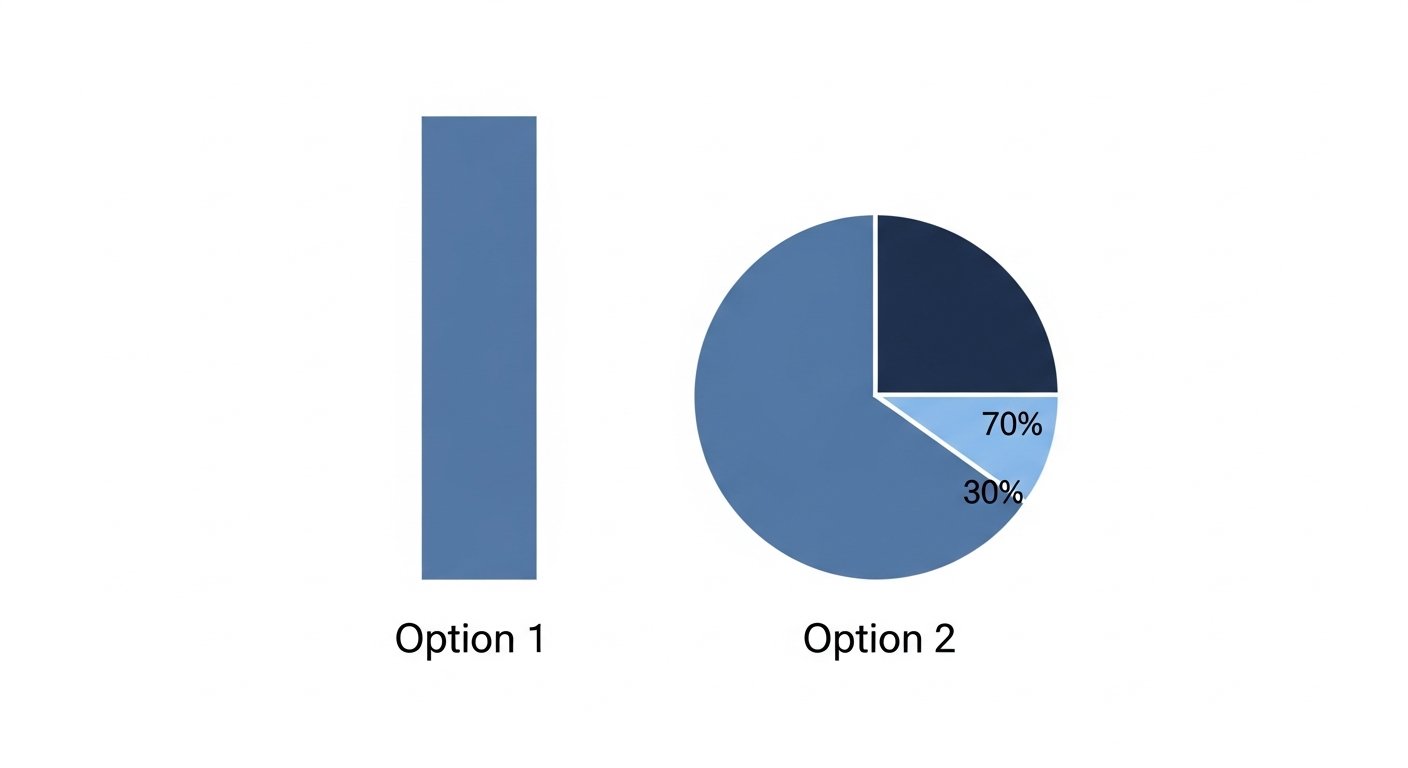
The most promising vision for **AI’s impact on the future of work** is one of human-AI collaboration, where artificial intelligence augments human capabilities rather than replacing them outright. This synergy of human and machine intelligence promises to unlock unprecedented levels of productivity, innovation, and problem-solving. Rather than seeing AI as a competitor, progressive organizations and forward-thinking individuals are embracing it as a powerful partner.
Augmentation, Not Replacement: Redefining Workflows
The concept of “augmentation not replacement” is central to understanding the positive potential of human-AI teaming. In this model, AI tools handle routine, data-intensive, or predictive tasks, freeing up human workers to focus on activities that require uniquely human attributes:
- Creativity: AI can generate drafts, ideas, or data visualizations, but humans provide the artistic vision, narrative, and conceptual breakthroughs.
- Strategic Planning: AI can analyze market trends and simulate scenarios, but human leaders define strategic direction, assess risks, and make high-stakes decisions.
- Emotional Intelligence: AI can interact with customers or patients, but human empathy, understanding, and personalized care remain indispensable for complex interactions.
- Ethical Judgment: AI can identify patterns of bias or suggest actions, but human oversight is crucial for applying ethical principles and ensuring fairness.
Consider a doctor using AI to analyze medical images faster and more accurately, or a lawyer leveraging AI for legal research. In both cases, AI enhances the professional’s ability to perform their core duties with greater efficiency and insight, without diminishing the need for their expert judgment and human touch.
Case Studies: Successful Human-AI Teaming in Action
Numerous organizations are already demonstrating the power of effective human-AI collaboration. These examples illustrate how **human-AI collaboration** can revolutionize workflows and create new value:
| Industry/Company | AI Application | Human Role Augmentation | Outcome/Benefit |
|---|---|---|---|
| Healthcare (e.g., Diagnostics) | AI for analyzing medical images (X-rays, MRIs, pathology slides) to detect anomalies. | Radiologists/Pathologists focus on complex cases, patient consultation, and final diagnosis, leveraging AI insights for speed and accuracy. | Faster, more accurate diagnoses; reduced burnout for medical staff; improved patient outcomes. |
| Financial Services (e.g., Banking) | AI-powered fraud detection systems monitoring transactions in real-time. | Fraud analysts investigate high-risk alerts, interact with customers, and adapt strategies against evolving threats. | Significant reduction in financial losses due to fraud; more efficient use of human expertise. |
| Customer Service (e.g., Tech Support) | AI chatbots handling routine queries, providing instant answers, and routing complex issues. | Human agents manage escalated problems, build customer relationships, and handle sensitive or nuanced situations. | Improved customer satisfaction, 24/7 support availability, and more efficient use of human agent time. |
| Marketing & Advertising (e.g., Content Creation) | Generative AI assisting with drafting ad copy, social media posts, and personalized marketing messages. | Marketing strategists and copywriters refine AI outputs, ensure brand voice, and develop overarching campaigns. | Increased content volume and personalization; faster campaign launches; freeing human creativity for strategic work. |
| Software Development (e.g., Coding Assistants) | AI code completion tools, bug detection, and automated testing. | Developers write more complex logic, design architectures, and focus on innovation and system integration. | Faster development cycles, fewer errors, and increased developer productivity. |
These examples highlight a crucial trend: AI is not just a tool but a partner that extends human reach and capability. The key to successful implementation lies in understanding where AI excels (pattern recognition, data processing, prediction) and where humans remain superior (creativity, empathy, ethical reasoning, context). Organizations that master this balance will lead the charge in defining **the future of work and AI**.
[INLINE IMAGE 2: place after fourth H2 | alt=”Comparison illustration showing workflows before and after AI integration, highlighting increased efficiency and human focus on strategic tasks.”]
Ethical Considerations and Societal Impact of AI in the Workplace
As **AI’s impact on the future of work** accelerates, so too do the ethical and societal questions surrounding its deployment. The transformative power of AI comes with a responsibility to ensure its development and application are guided by principles that promote fairness, transparency, and human well-being. Ignoring these considerations risks exacerbating inequalities, eroding trust, and undermining the very benefits AI promises.
Bias, Fairness, and Transparency in AI Systems
One of the most pressing ethical concerns is the potential for AI systems to perpetuate or even amplify existing societal biases. AI learns from data, and if that data reflects historical prejudices, then the AI’s decisions will inherently be biased. This can manifest in:
- Hiring and Promotion: AI-powered recruitment tools, if trained on biased historical hiring data, might unfairly screen out qualified candidates from underrepresented groups.
- Performance Management: AI monitoring tools could inadvertently penalize certain work styles or demographic groups.
- Algorithmic Discrimination: In financial services, healthcare, or legal contexts, AI decisions could lead to unfair access to loans, medical treatments, or legal representation.
Ensuring fairness requires diligent efforts in data collection, algorithm design, and continuous auditing. Transparency, or explainable AI (XAI), is equally vital. When AI makes decisions that affect people’s livelihoods, individuals have a right to understand how those decisions were reached. Opaque “black box” algorithms undermine trust and accountability, hindering the acceptance of AI in critical workplace applications.
Moreover, the collection and use of employee data by AI systems raise significant privacy concerns. Companies must ensure robust data protection measures and clear policies on how employee data is used, stored, and secured. Understanding AI ethics is crucial for every organization deploying AI.
The Future of Work-Life Balance and Well-being
AI’s influence extends beyond job tasks to the broader aspects of working life, including work-life balance, employee well-being, and mental health. While AI can automate mundane tasks, potentially reducing human workload and stress, it also introduces new pressures:
- “Always-On” Culture: The efficiency of AI might create expectations for faster turnaround times and constant availability, blurring the lines between work and personal life.
- Digital Surveillance: AI-powered tools for employee monitoring can lead to feelings of being constantly watched, eroding trust and autonomy, potentially impacting mental health.
- Skills Obsolescence Anxiety: The pressure to continuously reskill can be a source of stress and anxiety for workers, particularly those in vulnerable positions.
- Algorithmic Management: When AI dictates work schedules, performance targets, or even disciplinary actions, it can depersonalize management and reduce human agency.
Companies must proactively consider these impacts. Implementing AI should be accompanied by policies that protect employee well-being, promote ethical AI use, and ensure that technology serves human flourishing, not the other way around. Dialogue between employers, employees, and policymakers is essential to strike a healthy balance as the world adapts to **AI and jobs 2026** and beyond.
Policy, Governance, and Economic Strategies for an Equitable Transition
Addressing the challenges and maximizing the opportunities presented by **AI’s impact on the future of work** requires more than individual adaptation or corporate strategy—it demands proactive and comprehensive policy and governance frameworks. Governments and international bodies play a pivotal role in shaping an equitable and prosperous AI-driven future.
Government Initiatives and Public-Private Partnerships
Governments worldwide are recognizing the need for strategic intervention to manage the transition. Key policy areas include:
- Education and Training Infrastructure: Investing heavily in national reskilling and upskilling programs, vocational training, and modernizing educational curricula to prepare the next generation for AI-centric roles. This includes funding for online learning platforms, apprenticeships, and partnerships with technology companies.
- Research and Development Funding: Directing public funds towards AI research, particularly in areas like AI safety, ethics, and human-AI collaboration, to ensure responsible innovation.
- Regulatory Frameworks: Developing clear, adaptive regulations for AI that address issues such as data privacy, algorithmic bias, liability, and transparency, without stifling innovation. This includes creating AI regulatory sandboxes to test new approaches.
- Social Safety Nets Adaptation: Re-evaluating existing social welfare programs to ensure they can adequately support workers in transition, including unemployment benefits, job placement services, and career counseling.
- Promoting Inclusive AI Development: Incentivizing companies to adopt fair AI practices and fostering diversity in AI development teams to mitigate bias.
Public-private partnerships are crucial here. Governments can collaborate with tech companies, educational institutions, and labor unions to co-create solutions. For instance, joint ventures to develop industry-specific AI training modules or shared funding for displaced worker support programs can accelerate adaptation.
The urgency to develop robust policy frameworks for **AI and jobs 2026** cannot be overstated. Countries that act decisively will be better positioned to reap the economic and social benefits of the AI revolution.
Read more about global AI policy frameworks.
Universal Basic Income and Social Safety Nets
As the debate around large-scale job displacement persists, concepts like Universal Basic Income (UBI) are gaining renewed attention. UBI proposes a regular, unconditional cash payment to all citizens, regardless of their employment status. Proponents argue that UBI could provide a vital safety net, ensuring economic security for those whose jobs are automated, allowing them to pursue education, entrepreneurship, or caregiving roles without immediate financial pressure.
However, UBI is a complex and controversial policy with significant fiscal implications. Alternatives and complementary strategies include:
- Adjusted Unemployment Benefits: Expanding and modernizing unemployment insurance to better support long-term reskilling and career transitions.
- Guaranteed Basic Services: Focusing on universal access to essential services like healthcare, education, and housing, rather than direct cash transfers.
- Wage Subsidies for Human-Augmented Roles: Government incentives for companies to hire and train workers in roles that are augmented by AI, ensuring job retention and skill development.
- Lifelong Learning Accounts: Individualized accounts funded by governments and employers that workers can use for continuous education and training.
The discussion around these social safety nets underscores a fundamental question: how do societies share the prosperity generated by AI while ensuring no one is left behind? A thoughtful and proactive approach to economic policy is essential for navigating **AI’s impact on the future of work** in a just and equitable manner.
Strategies for Businesses: Adapting to the AI Workforce Transformation
For businesses, adapting to **AI’s impact on the future of work** is not optional; it’s a strategic imperative for survival and growth. Organizations that proactively embrace AI, integrate it thoughtfully, and invest in their human capital will be the ones that thrive in the coming decades. This requires a shift in mindset, from viewing AI as a cost-cutting tool to seeing it as a catalyst for innovation and competitive advantage.
Investing in AI Infrastructure and Talent
Successful AI integration begins with a robust foundation:
- Data Strategy: AI is only as good as the data it’s trained on. Businesses must invest in collecting, cleaning, organizing, and securing high-quality, ethical data. This includes building strong data governance frameworks.
- Technological Infrastructure: Ensuring the necessary computing power, cloud capabilities, and specialized AI platforms are in place. This may involve partnerships with AI solution providers or significant internal investment.
- AI Talent Acquisition and Development: Recruiting skilled AI professionals (data scientists, ML engineers, AI ethicists) and, critically, upskilling the existing workforce. This can involve internal training programs, partnerships with academic institutions, or developing Centers of Excellence for AI.
- Pilot Projects and Iteration: Starting with smaller, manageable AI projects to learn, iterate, and build confidence before scaling. Identifying pain points where AI can provide immediate value.
Beyond the technical aspects, businesses must also cultivate an understanding of AI across all levels of the organization. Leadership must champion AI initiatives, and employees must be educated on how AI will impact their roles and how they can best collaborate with AI tools. This reduces fear and fosters a culture of innovation.
Fostering an AI-Ready Culture
Technology alone is insufficient; a supportive organizational culture is paramount for successful AI adoption. An “AI-ready” culture is characterized by:
- Continuous Learning and Adaptability: Encouraging employees to embrace lifelong learning and providing resources for skill development. Creating an environment where experimentation with new tools is encouraged.
- Empathy and Trust: Prioritizing transparent communication about AI’s role and impact, addressing employee concerns, and building trust that AI will be used to augment, not simply displace, human workers.
- Cross-Functional Collaboration: Breaking down silos between departments (e.g., IT, HR, operations) to ensure a holistic approach to AI integration, from data strategy to employee training.
- Ethical AI Principles: Embedding ethical considerations (fairness, transparency, privacy) into all stages of AI development and deployment. Establishing clear guidelines and oversight mechanisms.
- Human-Centric Design: Designing AI systems and workflows with the end-user (the human employee) in mind, ensuring tools are intuitive, empowering, and enhance productivity rather than creating frustration.
Companies that strategically invest in both their AI capabilities and their human capital, fostering a culture of continuous learning and ethical innovation, will not only navigate the shifts of **AI’s impact on the future of work** but will emerge as leaders in the AI-powered economy. Failure to do so risks falling behind competitors who effectively harness the power of AI.
Discover our executive guide to AI strategy.
Preparing for 2036 and Beyond: Long-Term Outlook
Looking a decade ahead to 2036, the landscape of work will be dramatically different, profoundly shaped by the escalating sophistication and ubiquity of AI. While precise predictions remain elusive, several key trends are likely to define **AI’s impact on the future of work** in the longer term, offering a glimpse into what individuals and societies should prepare for.
By 2036, AI will likely be an invisible yet pervasive layer across almost all professional activities. Generative AI will have moved beyond text and image creation to designing complex systems, conducting advanced scientific research, and perhaps even contributing to artistic movements. This pervasive integration will further blur the lines between human and machine contributions, making the concept of “human-AI collaboration” the default mode of operation in many industries.
Key Trends for 2036 and Beyond:
- Hyper-Personalization of Work: AI will enable unprecedented customization of job roles, learning paths, and even work schedules. Employees might have AI assistants tailored to their specific needs, learning styles, and career goals, making work more engaging and efficient.
- The Rise of the “Super-Worker”: Individuals highly skilled in leveraging AI will achieve exponential productivity gains. These “super-workers” will be capable of outputting work previously requiring teams, potentially leading to increased competition for high-value roles.
- Distributed and Decentralized Workforces: AI tools will further facilitate remote and hybrid work models, enabling seamless collaboration across geographical boundaries. This could lead to a more globally competitive talent pool and new challenges for national labor policies.
- Continuous Economic Restructuring: New industries entirely based on AI will emerge, while others will undergo radical transformation. Economic growth will likely be driven by AI-powered innovation, creating wealth but also demanding constant adaptation from the workforce.
- Redefinition of Value: As AI handles more cognitive and routine tasks, the value attributed to uniquely human attributes—creativity, emotional intelligence, critical judgment, and strategic foresight—will increase exponentially. Jobs centered on these qualities will be highly prized.
- Ethical AI as a Competitive Differentiator: Companies and nations that prioritize ethical AI development, ensure fairness, and protect human dignity will gain a significant competitive edge and public trust.
- Environmental Impact and Sustainability: AI’s role in optimizing resource use, predicting climate patterns, and developing sustainable technologies will become crucial. Green jobs, augmented by AI, will see significant growth.
The transition to this future will not be without its challenges. Ensuring equitable access to AI tools and education, managing the psychological impact of constant change, and establishing robust governance structures will be critical. However, for those who embrace lifelong learning, cultivate human-centric skills, and advocate for responsible AI development, the future offers immense potential for personal and professional fulfillment. The next decade will be a pivotal period, laying the groundwork for how humanity coexists and thrives with advanced AI.
Conclusion: Embracing the Future of Work with AI
The discourse surrounding **AI’s impact on the future of work** is complex, often characterized by a mix of apprehension and excitement. As we stand in 2026, it’s clear that Artificial Intelligence is not just another technological advancement; it’s a fundamental force reshaping economies, societies, and individual careers at an unprecedented pace. The era of human-AI collaboration is upon us, demanding a proactive and thoughtful response from all stakeholders.
We’ve explored the dual nature of AI’s influence: its capacity for both job displacement in routine tasks and significant job creation in roles that leverage unique human skills or manage AI itself. The imperative for continuous reskilling and upskilling has emerged as a central theme, highlighting the need for individuals to cultivate not only digital fluency and AI literacy but also critical thinking, creativity, and emotional intelligence. These are the competencies that will define success in an AI-augmented world.
Businesses must move beyond mere adoption to strategic integration, investing in robust AI infrastructure, fostering an AI-ready culture, and prioritizing the ethical deployment of these powerful tools. Governments, in turn, have a critical role in establishing comprehensive policy frameworks, investing in education, and adapting social safety nets to ensure a just and equitable transition for all. The long-term outlook to 2036 and beyond points towards an increasingly personalized, distributed, and continuously evolving workforce where human ingenuity, amplified by AI, will drive innovation.
Ultimately, navigating **AI’s impact on the future of work** is not about resisting the tide of technological change, but about intelligently steering it. By embracing augmentation over replacement, fostering lifelong learning, championing ethical AI, and promoting collaborative ecosystems between humans and machines, we can harness AI’s transformative power to create a future of work that is more productive, innovative, and inclusive for everyone. The time to act and prepare for this exciting, challenging, and inevitable future is now.
Frequently Asked Questions
Q1: Will AI take all our jobs by 2036?
A1: While AI will automate many routine tasks and displace some jobs, the consensus among experts is that it will not lead to mass unemployment. Instead, AI is expected to transform most jobs, creating new roles and augmenting human capabilities. The focus shifts from outright replacement to human-AI collaboration, where AI handles the mundane, allowing humans to focus on creative, strategic, and emotionally intelligent work. Reskilling and upskilling will be key to adapting to these changes.
Q2: What are the most important skills to develop for an AI-driven future?
A2: The most crucial skills fall into three main categories: digital and AI fluency (AI literacy, data literacy, prompt engineering), advanced cognitive skills (complex problem-solving, critical thinking, creativity, strategic thinking), and social/emotional intelligence (empathy, collaboration, communication, adaptability). These skills enable effective human-AI teaming and allow individuals to contribute value that AI cannot replicate.
Q3: How can businesses prepare for the impact of AI on their workforce?
A3: Businesses should prepare by investing in AI infrastructure and ethical data strategies, acquiring and developing AI talent, and fostering an “AI-ready” culture. This includes promoting continuous learning
The Future of Work: How AI is Reshaping Jobs by 2036
Affiliate disclosure: This article may contain affiliate links. Recommendations are independent and editorially driven.
TL;DR: AI and the Future of Work
Artificial Intelligence (AI) is fundamentally reshaping the global workforce, presenting both significant challenges and unparalleled opportunities. This deep dive into **AI’s impact on the future of work** explores how jobs are changing, the essential skills needed for human-AI collaboration, and the critical policy frameworks required for an equitable transition. We examine job displacement versus creation, the imperative of reskilling, ethical considerations, and strategies for businesses and individuals to thrive by 2036 and beyond.
Navigating the Guide: AI and the Future of Work
- The AI Revolution: A New Era for the Workforce
- Job Displacement and Creation: Navigating the Shifting Landscape
- The Imperative of Reskilling and Upskilling for an AI-Driven Future
- Human-AI Collaboration: The Synergy of Intelligence
- Ethical Considerations and Societal Impact of AI in the Workplace
- Policy, Governance, and Economic Strategies for an Equitable Transition
- Strategies for Businesses: Adapting to the AI Workforce Transformation
- Preparing for 2036 and Beyond: Long-Term Outlook
- Conclusion: Embracing the Future of Work with AI
- Frequently Asked Questions
The AI Revolution: A New Era for the Workforce
The dawn of Artificial Intelligence is not merely introducing new tools; it is catalyzing a seismic shift in the very fabric of how we work, learn, and organize our economies. As we navigate the mid-2020s, the profound implications of **AI’s impact on the future of work** are becoming increasingly clear, moving beyond theoretical discussions to tangible transformations across every sector. From automating routine tasks to generating unprecedented insights, AI is redefining roles, demanding new skill sets, and challenging existing economic and social structures.
For decades, automation has steadily changed industries, but AI’s advanced capabilities—including machine learning, natural language processing, and computer vision—herald a new era. Unlike previous technological advancements that primarily augmented physical labor or codified simple rules, AI can perform complex cognitive tasks, learn from data, and even make decisions. This capacity extends its influence from manufacturing floors to executive suites, impacting white-collar professions as much as, if not more than, blue-collar jobs.
The global economy in 2026 is grappling with a paradox: widespread fears of mass job displacement coexist with an urgent need for workers skilled in leveraging AI. This article aims to provide a comprehensive analysis of this dynamic landscape, offering insights into the evolving nature of jobs, the critical skills required for an AI-driven future, and the proactive strategies that individuals, businesses, and governments must adopt to harness the transformative power of AI for societal benefit. Understanding **AI’s impact on the future of work** is not just about adapting; it’s about proactively shaping a more productive, innovative, and equitable future.
Job Displacement and Creation: Navigating the Shifting Landscape
One of the most immediate and hotly debated aspects of **AI’s impact on the future of work** is its dual effect on employment: the potential for significant job displacement alongside the creation of entirely new roles. While alarming headlines often focus on jobs being lost to AI, a more nuanced understanding reveals a complex interplay of automation, augmentation, and innovation.
Historical precedence suggests that technological revolutions, while disruptive, ultimately lead to net job growth and increased prosperity. The industrial revolution, the advent of computers, and the internet each displaced certain types of work but generated new industries, services, and occupations that were previously unimaginable. AI is expected to follow a similar, albeit accelerated, trajectory, reshaping existing jobs rather than simply eradicating them.
Sectors Most Vulnerable to AI Automation
Certain sectors and job functions are inherently more susceptible to automation by AI due to their repetitive, data-intensive, or rule-based nature. These often include:
- Administrative and Clerical Roles: Tasks like data entry, scheduling, document processing, and basic customer service are increasingly being handled by AI-powered virtual assistants and automation software.
- Manufacturing and Logistics: While robotics have long been a feature, AI enhances these systems with greater precision, adaptability, and predictive maintenance, impacting roles in assembly, quality control, and warehouse management.
- Financial Services: AI algorithms excel at tasks like fraud detection, algorithmic trading, credit scoring, and even basic financial advice, potentially impacting roles in banking, insurance, and investment analysis.
- Transportation: The development of autonomous vehicles, from self-driving cars to delivery drones, poses a long-term threat to professional drivers and logistics coordinators.
- Entry-Level Professional Services: Areas like legal research, basic accounting, and content generation can be significantly streamlined by AI tools, affecting paralegals, junior accountants, and certain creative roles.
It’s crucial to understand that even within these sectors, complete job replacement is less common than task automation. AI often takes over the most mundane and time-consuming parts of a job, allowing human workers to focus on higher-value, more creative, and interpersonal aspects.
Emerging Roles and AI-Powered Job Growth
Just as AI displaces, it also creates. The implementation, maintenance, and ethical governance of AI systems themselves require a new class of professionals. Furthermore, the augmentation capabilities of AI foster new forms of work that leverage human creativity and critical thinking. Some of the fastest-growing job categories related to **AI’s impact on the future of work** include:
- AI Specialists: Machine learning engineers, data scientists, AI ethicists, AI trainers, prompt engineers, and AI architects.
- Human-AI Interaction Designers: Professionals focused on creating intuitive and effective interfaces for human collaboration with AI systems.
- Robotics Engineers and Technicians: Designing, building, and maintaining advanced robotic systems in various industries.
- Data Stewards and Curators: Ensuring the quality, integrity, and ethical use of the vast datasets that fuel AI.
- “Last-Mile” Human Roles: Jobs requiring uniquely human attributes such as empathy, complex problem-solving, strategic thinking, and emotional intelligence (e.g., therapists, educators, creative directors, strategic consultants).
- Green Economy Jobs: AI’s role in optimizing energy grids, designing sustainable materials, and managing environmental data will spur growth in eco-focused roles.
The net effect on employment will heavily depend on how quickly societies can adapt through education, training, and policy support. The challenge isn’t just about preparing for job losses, but about actively cultivating the skills and infrastructure to seize the opportunities presented by new AI-driven roles.
[INLINE IMAGE 1: place after second H2 | alt=”Conceptual illustration of AI’s impact on the future of work, showing humans collaborating with robots and AI interfaces in a dynamic, evolving workplace.”]
The Imperative of Reskilling and Upskilling for an AI-Driven Future
Amidst the profound changes brought by AI, the single most critical strategy for individuals and organizations alike is a relentless focus on reskilling and upskilling. As routine tasks become automated, the value of uniquely human capabilities, coupled with the ability to interact with and manage AI systems, skyrockets. This makes continuous learning not just an advantage, but a necessity for thriving in the future of work and AI.
Key Skills for Human-AI Collaboration
The skills gap is widening, distinguishing those prepared for the AI era from those left behind. Future-proof skills are often categorized into three main areas:
- Digital and AI Fluency:
- AI Literacy: Understanding how AI works, its capabilities, limitations, and ethical implications.
- Data Literacy: The ability to interpret, analyze, and communicate with data, given that AI thrives on data.
- Programming and Automation Tools: While not everyone needs to be a coder, familiarity with basic programming concepts or low-code/no-code AI tools will be invaluable.
- Prompt Engineering: The art and science of crafting effective inputs for generative AI models to achieve desired outputs.
- Cognitive and Critical Thinking Skills:
- Complex Problem Solving: Tackling novel, unstructured problems that AI cannot yet solve autonomously.
- Critical Thinking: Evaluating AI-generated information, identifying biases, and making informed judgments.
- Creativity and Innovation: Developing original ideas, designs, and strategies that AI can then help execute.
- Strategic Thinking: Envisioning future scenarios and planning how to leverage AI for organizational goals.
- Social and Emotional Intelligence:
- Emotional Intelligence (EQ): Empathy, self-awareness, and the ability to understand and manage emotions—crucial for leadership, client relations, and team dynamics.
- Collaboration and Teamwork: Working effectively with diverse human teams and integrating AI tools seamlessly.
- Communication: Clearly articulating ideas, insights, and instructions to both human colleagues and AI systems.
- Adaptability and Resilience: The capacity to learn continuously, embrace change, and recover from setbacks in a rapidly evolving environment.
These skills emphasize that human-AI teaming is not about humans competing with machines, but about combining the unique strengths of both to achieve superior outcomes. Organizations like the World Economic Forum consistently highlight these competencies as essential for navigating the complexities of **AI and jobs 2026** and beyond.
Lifelong Learning: A New Paradigm
The traditional model of education—front-loaded learning followed by decades of work—is obsolete. The rapid pace of technological change, particularly with AI, necessitates a paradigm shift towards lifelong learning. Individuals must proactively seek out opportunities to update their skills, whether through formal education, online courses, micro-credentials, or on-the-job training. Companies, too, bear a responsibility to invest in their workforce’s continuous development, recognizing that employee adaptability is a key competitive advantage.
- Accessible Learning Platforms: The rise of MOOCs (Massive Open Online Courses), specialized AI bootcamps, and corporate learning programs makes reskilling more accessible than ever.
- Micro-credentials and Stackable Skills: Focus on acquiring specific, in-demand skills through shorter, verifiable certifications that can be combined to build expertise.
- Internal Mobility Programs: Companies creating pathways for existing employees to transition into new AI-augmented or AI-focused roles through internal training.
Embracing a growth mindset and viewing learning as an ongoing journey will be paramount for anyone wishing to thrive in an economy profoundly shaped by AI. This isn’t just about technical skills; it’s about fostering intellectual curiosity and an eagerness to adapt to the unknown.
Human-AI Collaboration: The Synergy of Intelligence
The most promising vision for **AI’s impact on the future of work** is one of human-AI collaboration, where artificial intelligence augments human capabilities rather than replacing them outright. This synergy of human and machine intelligence promises to unlock unprecedented levels of productivity, innovation, and problem-solving. Rather than seeing AI as a competitor, progressive organizations and forward-thinking individuals are embracing it as a powerful partner.
Augmentation, Not Replacement: Redefining Workflows
The concept of “augmentation not replacement” is central to understanding the positive potential of human-AI teaming. In this model, AI tools handle routine, data-intensive, or predictive tasks, freeing up human workers to focus on activities that require uniquely human attributes:
- Creativity: AI can generate drafts, ideas, or data visualizations, but humans provide the artistic vision, narrative, and conceptual breakthroughs.
- Strategic Planning: AI can analyze market trends and simulate scenarios, but human leaders define strategic direction, assess risks, and make high-stakes decisions.
- Emotional Intelligence: AI can interact with customers or patients, but human empathy, understanding, and personalized care remain indispensable for complex interactions.
- Ethical Judgment: AI can identify patterns of bias or suggest actions, but human oversight is crucial for applying ethical principles and ensuring fairness.
Consider a doctor using AI to analyze medical images faster and more accurately, or a lawyer leveraging AI for legal research. In both cases, AI enhances the professional’s ability to perform their core duties with greater efficiency and insight, without diminishing the need for their expert judgment and human touch.
Case Studies: Successful Human-AI Teaming in Action
Numerous organizations are already demonstrating the power of effective human-AI collaboration. These examples illustrate how **human-AI collaboration** can revolutionize workflows and create new value:
| Industry/Company | AI Application | Human Role Augmentation | Outcome/Benefit |
|---|---|---|---|
| Healthcare (e.g., Diagnostics) | AI for analyzing medical images (X-rays, MRIs, pathology slides) to detect anomalies. | Radiologists/Pathologists focus on complex cases, patient consultation, and final diagnosis, leveraging AI insights for speed and accuracy. | Faster, more accurate diagnoses; reduced burnout for medical staff; improved patient outcomes. |
| Financial Services (e.g., Banking) | AI-powered fraud detection systems monitoring transactions in real-time. | Fraud analysts investigate high-risk alerts, interact with customers, and adapt strategies against evolving threats. | Significant reduction in financial losses due to fraud; more efficient use of human expertise. |
| Customer Service (e.g., Tech Support) | AI chatbots handling routine queries, providing instant answers, and routing complex issues. | Human agents manage escalated problems, build customer relationships, and handle sensitive or nuanced situations. | Improved customer satisfaction, 24/7 support availability, and more efficient use of human agent time. |
| Marketing & Advertising (e.g., Content Creation) | Generative AI assisting with drafting ad copy, social media posts, and personalized marketing messages. | Marketing strategists and copywriters refine AI outputs, ensure brand voice, and develop overarching campaigns. | Increased content volume and personalization; faster campaign launches; freeing human creativity for strategic work. |
| Software Development (e.g., Coding Assistants) | AI code completion tools, bug detection, and automated testing. | Developers write more complex logic, design architectures, and focus on innovation and system integration. | Faster development cycles, fewer errors, and increased developer productivity. |
These examples highlight a crucial trend: AI is not just a tool but a partner that extends human reach and capability. The key to successful implementation lies in understanding where AI excels (pattern recognition, data processing, prediction) and where humans remain superior (creativity, empathy, ethical reasoning, context). Organizations that master this balance will lead the charge in defining **the future of work and AI**.
[INLINE IMAGE 2: place after fourth H2 | alt=”Comparison illustration showing workflows before and after AI integration, highlighting increased efficiency and human focus on strategic tasks.”]
Ethical Considerations and Societal Impact of AI in the Workplace
As **AI’s impact on the future of work** accelerates, so too do the ethical and societal questions surrounding its deployment. The transformative power of AI comes with a responsibility to ensure its development and application are guided by principles that promote fairness, transparency, and human well-being. Ignoring these considerations risks exacerbating inequalities, eroding trust, and undermining the very benefits AI promises.
Bias, Fairness, and Transparency in AI Systems
One of the most pressing ethical concerns is the potential for AI systems to perpetuate or even amplify existing societal biases. AI learns from data, and if that data reflects historical prejudices, then the AI’s decisions will inherently be biased. This can manifest in:
- Hiring and Promotion: AI-powered recruitment tools, if trained on biased historical hiring data, might unfairly screen out qualified candidates from underrepresented groups.
- Performance Management: AI monitoring tools could inadvertently penalize certain work styles or demographic groups.
- Algorithmic Discrimination: In financial services, healthcare, or legal contexts, AI decisions could lead to unfair access to loans, medical treatments, or legal representation.
Ensuring fairness requires diligent efforts in data collection, algorithm design, and continuous auditing. Transparency, or explainable AI (XAI), is equally vital. When AI makes decisions that affect people’s livelihoods, individuals have a right to understand how those decisions were reached. Opaque “black box” algorithms undermine trust and accountability, hindering the acceptance of AI in critical workplace applications.
Moreover, the collection and use of employee data by AI systems raise significant privacy concerns. Companies must ensure robust data protection measures and clear policies on how employee data is used, stored, and secured. Understanding AI ethics is crucial for every organization deploying AI.
The Future of Work-Life Balance and Well-being
AI’s influence extends beyond job tasks to the broader aspects of working life, including work-life balance, employee well-being, and mental health. While AI can automate mundane tasks, potentially reducing human workload and stress, it also introduces new pressures:
- “Always-On” Culture: The efficiency of AI might create expectations for faster turnaround times and constant availability, blurring the lines between work and personal life.
- Digital Surveillance: AI-powered tools for employee monitoring can lead to feelings of being constantly watched, eroding trust and autonomy, potentially impacting mental health.
- Skills Obsolescence Anxiety: The pressure to continuously reskill can be a source of stress and anxiety for workers, particularly those in vulnerable positions.
- Algorithmic Management: When AI dictates work schedules, performance targets, or even disciplinary actions, it can depersonalize management and reduce human agency.
Companies must proactively consider these impacts. Implementing AI should be accompanied by policies that protect employee well-being, promote ethical AI use, and ensure that technology serves human flourishing, not the other way around. Dialogue between employers, employees, and policymakers is essential to strike a healthy balance as the world adapts to **AI and jobs 2026** and beyond.
Policy, Governance, and Economic Strategies for an Equitable Transition
Addressing the challenges and maximizing the opportunities presented by **AI’s impact on the future of work** requires more than individual adaptation or corporate strategy—it demands proactive and comprehensive policy and governance frameworks. Governments and international bodies play a pivotal role in shaping an equitable and prosperous AI-driven future.
Government Initiatives and Public-Private Partnerships
Governments worldwide are recognizing the need for strategic intervention to manage the transition. Key policy areas include:
- Education and Training Infrastructure: Investing heavily in national reskilling and upskilling programs, vocational training, and modernizing educational curricula to prepare the next generation for AI-centric roles. This includes funding for online learning platforms, apprenticeships, and partnerships with technology companies.
- Research and Development Funding: Directing public funds towards AI research, particularly in areas like AI safety, ethics, and human-AI collaboration, to ensure responsible innovation.
- Regulatory Frameworks: Developing clear, adaptive regulations for AI that address issues such as data privacy, algorithmic bias, liability, and transparency, without stifling innovation. This includes creating AI regulatory sandboxes to test new approaches.
- Social Safety Nets Adaptation: Re-evaluating existing social welfare programs to ensure they can adequately support workers in transition, including unemployment benefits, job placement services, and career counseling.
- Promoting Inclusive AI Development: Incentivizing companies to adopt fair AI practices and fostering diversity in AI development teams to mitigate bias.
Public-private partnerships are crucial here. Governments can collaborate with tech companies, educational institutions, and labor unions to co-create solutions. For instance, joint ventures to develop industry-specific AI training modules or shared funding for displaced worker support programs can accelerate adaptation.
The urgency to develop robust policy frameworks for **AI and jobs 2026** cannot be overstated. Countries that act decisively will be better positioned to reap the economic and social benefits of the AI revolution.
Read more about global AI policy frameworks.
Universal Basic Income and Social Safety Nets
As the debate around large-scale job displacement persists, concepts like Universal Basic Income (UBI) are gaining renewed attention. UBI proposes a regular, unconditional cash payment to all citizens, regardless of their employment status. Proponents argue that UBI could provide a vital safety net, ensuring economic security for those whose jobs are automated, allowing them to pursue education, entrepreneurship, or caregiving roles without immediate financial pressure.
However, UBI is a complex and controversial policy with significant fiscal implications. Alternatives and complementary strategies include:
- Adjusted Unemployment Benefits: Expanding and modernizing unemployment insurance to better support long-term reskilling and career transitions.
- Guaranteed Basic Services: Focusing on universal access to essential services like healthcare, education, and housing, rather than direct cash transfers.
- Wage Subsidies for Human-Augmented Roles: Government incentives for companies to hire and train workers in roles that are augmented by AI, ensuring job retention and skill development.
- Lifelong Learning Accounts: Individualized accounts funded by governments and employers that workers can use for continuous education and training.
The discussion around these social safety nets underscores a fundamental question: how do societies share the prosperity generated by AI while ensuring no one is left behind? A thoughtful and proactive approach to economic policy is essential for navigating **AI’s impact on the future of work** in a just and equitable manner.
Strategies for Businesses: Adapting to the AI Workforce Transformation
For businesses, adapting to **AI’s impact on the future of work** is not optional; it’s a strategic imperative for survival and growth. Organizations that proactively embrace AI, integrate it thoughtfully, and invest in their human capital will be the ones that thrive in the coming decades. This requires a shift in mindset, from viewing AI as a cost-cutting tool to seeing it as a catalyst for innovation and competitive advantage.
Investing in AI Infrastructure and Talent
Successful AI integration begins with a robust foundation:
- Data Strategy: AI is only as good as the data it’s trained on. Businesses must invest in collecting, cleaning, organizing, and securing high-quality, ethical data. This includes building strong data governance frameworks.
- Technological Infrastructure: Ensuring the necessary computing power, cloud capabilities, and specialized AI platforms are in place. This may involve partnerships with AI solution providers or significant internal investment.
- AI Talent Acquisition and Development: Recruiting skilled AI professionals (data scientists, ML engineers, AI ethicists) and, critically, upskilling the existing workforce. This can involve internal training programs, partnerships with academic institutions, or developing Centers of Excellence for AI.
- Pilot Projects and Iteration: Starting with smaller, manageable AI projects to learn, iterate, and build confidence before scaling. Identifying pain points where AI can provide immediate value.
Beyond the technical aspects, businesses must also cultivate an understanding of AI across all levels of the organization. Leadership must champion AI initiatives, and employees must be educated on how AI will impact their roles and how they can best collaborate with AI tools. This reduces fear and fosters a culture of innovation.
Fostering an AI-Ready Culture
Technology alone is insufficient; a supportive organizational culture is paramount for successful AI adoption. An “AI-ready” culture is characterized by:
- Continuous Learning and Adaptability: Encouraging employees to embrace lifelong learning and providing resources for skill development. Creating an environment where experimentation with new tools is encouraged.
- Empathy and Trust: Prioritizing transparent communication about AI’s role and impact, addressing employee concerns, and building trust that AI will be used to augment, not simply displace, human workers.
- Cross-Functional Collaboration: Breaking down silos between departments (e.g., IT, HR, operations) to ensure a holistic approach to AI integration, from data strategy to employee training.
- Ethical AI Principles: Embedding ethical considerations (fairness, transparency, privacy) into all stages of AI development and deployment. Establishing clear guidelines and oversight mechanisms.
- Human-Centric Design: Designing AI systems and workflows with the end-user (the human employee) in mind, ensuring tools are intuitive, empowering, and enhance productivity rather than creating frustration.
Companies that strategically invest in both their AI capabilities and their human capital, fostering a culture of continuous learning and ethical innovation, will not only navigate the shifts of **AI’s impact on the future of work** but will emerge as leaders in the AI-powered economy. Failure to do so risks falling behind competitors who effectively harness the power of AI.
Discover our executive guide to AI strategy.
Preparing for 2036 and Beyond: Long-Term Outlook
Looking a decade ahead to 2036, the landscape of work will be dramatically different, profoundly shaped by the escalating sophistication and ubiquity of AI. While precise predictions remain elusive, several key trends are likely to define **AI’s impact on the future of work** in the longer term, offering a glimpse into what individuals and societies should prepare for.
By 2036, AI will likely be an invisible yet pervasive layer across almost all professional activities. Generative AI will have moved beyond text and image creation to designing complex systems, conducting advanced scientific research, and perhaps even contributing to artistic movements. This pervasive integration will further blur the lines between human and machine contributions, making the concept of “human-AI collaboration” the default mode of operation in many industries.
Key Trends for 2036 and Beyond:
- Hyper-Personalization of Work: AI will enable unprecedented customization of job roles, learning paths, and even work schedules. Employees might have AI assistants tailored to their specific needs, learning styles, and career goals, making work more engaging and efficient.
- The Rise of the “Super-Worker”: Individuals highly skilled in leveraging AI will achieve exponential productivity gains. These “super-workers” will be capable of outputting work previously requiring teams, potentially leading to increased competition for high-value roles.
- Distributed and Decentralized Workforces: AI tools will further facilitate remote and hybrid work models, enabling seamless collaboration across geographical boundaries. This could lead to a more globally competitive talent pool and new challenges for national labor policies.
- Continuous Economic Restructuring: New industries entirely based on AI will emerge, while others will undergo radical transformation. Economic growth will likely be driven by AI-powered innovation, creating wealth but also demanding constant adaptation from the workforce.
- Redefinition of Value: As AI handles more cognitive and routine tasks, the value attributed to uniquely human attributes—creativity, emotional intelligence, critical judgment, and strategic foresight—will increase exponentially. Jobs centered on these qualities will be highly prized.
- Ethical AI as a Competitive Differentiator: Companies and nations that prioritize ethical AI development, ensure fairness, and protect human dignity will gain a significant competitive edge and public trust.
- Environmental Impact and Sustainability: AI’s role in optimizing resource use, predicting climate patterns, and developing sustainable technologies will become crucial. Green jobs, augmented by AI, will see significant growth.
The transition to this future will not be without its challenges. Ensuring equitable access to AI tools and education, managing the psychological impact of constant change, and establishing robust governance structures will be critical. However, for those who embrace lifelong learning, cultivate human-centric skills, and advocate for responsible AI development, the future offers immense potential for personal and professional fulfillment. The next decade will be a pivotal period, laying the groundwork for how humanity coexists and thrives with advanced AI.
Conclusion: Embracing the Future of Work with AI
The discourse surrounding **AI’s impact on the future of work** is complex, often characterized by a mix of apprehension and excitement. As we stand in 2026, it’s clear that Artificial Intelligence is not just another technological advancement; it’s a fundamental force reshaping economies, societies, and individual careers at an unprecedented pace. The era of human-AI collaboration is upon us, demanding a proactive and thoughtful response from all stakeholders.
We’ve explored the dual nature of AI’s influence: its capacity for both job displacement in routine tasks and significant job creation in roles that leverage unique human skills or manage AI itself. The imperative for continuous reskilling and upskilling has emerged as a central theme, highlighting the need for individuals to cultivate not only digital fluency and AI literacy but also critical thinking, creativity, and emotional intelligence. These are the competencies that will define success in an AI-augmented world.
Businesses must move beyond mere adoption to strategic integration, investing in robust AI infrastructure, fostering an AI-ready culture, and prioritizing the ethical deployment of these powerful tools. Governments, in turn, have a critical role in establishing comprehensive policy frameworks, investing in education, and adapting social safety nets to ensure a just and equitable transition for all. The long-term outlook to 2036 and beyond points towards an increasingly personalized, distributed, and continuously evolving workforce where human ingenuity, amplified by AI, will drive innovation.
Ultimately, navigating **AI’s impact on the future of work** is not about resisting the tide of technological change, but about intelligently steering it. By embracing augmentation over replacement, fostering lifelong learning, championing ethical AI, and promoting collaborative ecosystems between humans and machines, we can harness AI’s transformative power to create a future of work that is more productive, innovative, and inclusive for everyone. The time to act and prepare for this exciting, challenging, and inevitable future is now.
Frequently Asked Questions
Q1: Will AI take all our jobs by 2036?
A1: While AI will automate many routine tasks and displace some jobs, the consensus among experts is that it will not lead to mass unemployment. Instead, AI is expected to transform most jobs, creating new roles and augmenting human capabilities. The focus shifts from outright replacement to human-AI collaboration, where AI handles the mundane, allowing humans to focus on creative, strategic, and emotionally intelligent work. Reskilling and upskilling will be key to adapting to these changes.
Q2: What are the most important skills to develop for an AI-driven future?
A2: The most crucial skills fall into three main categories: digital and AI fluency (AI literacy, data literacy, prompt engineering), advanced cognitive skills (complex problem-solving, critical thinking, creativity, strategic thinking), and social/emotional intelligence (empathy, collaboration, communication, adaptability). These skills enable effective human-AI teaming and allow individuals to contribute value that AI cannot replicate.
Q3: How can businesses prepare for the impact of AI on their workforce?
A3: Businesses should prepare by investing in AI infrastructure and ethical data strategies, acquiring and developing AI talent, and fostering an “AI-ready” culture. This includes promoting continuous learning