
Future Jobs in AI: Navigating the AI-Driven Workforce Transformation by 2026 and Beyond
Affiliate disclosure: This article may contain affiliate links. Recommendations are independent and editorially driven.
The dawn of Artificial Intelligence (AI) has ushered in an era of unprecedented technological advancement, profoundly reshaping industries, economies, and the very fabric of our professional lives. For years, the conversation around AI and employment has been dominated by anxieties of job displacement, automation taking over human tasks, and widespread unemployment. However, as we stand in 2026, a more nuanced and exciting reality is unfolding: AI is not merely replacing jobs; it is fundamentally transforming them, creating entirely new categories of work, and augmenting human capabilities in ways previously unimaginable.
This comprehensive guide from futureinsights delves deep into the landscape of future jobs in AI. We will explore the emerging roles directly related to AI development, the augmented positions across various sectors, and the indispensable human skills that will define success in an AI-powered economy. Our aim is to provide a clear, insightful roadmap for individuals, educators, and organizations alike, empowering them to navigate this dynamic transition and thrive amidst the AI revolution. Far from a narrative of obsolescence, this is a story of evolution, opportunity, and the exciting prospect of a human-AI collaborative future.
The AI Revolution: Reshaping the Global Workforce Landscape
The impact of AI is not a distant future concept; it is an omnipresent force in 2026. From sophisticated machine learning algorithms powering personalized recommendations to advanced robotics streamlining manufacturing, AI’s footprint is expanding exponentially. This rapid adoption is compelling a fundamental re-evaluation of how work is structured, performed, and valued.
Historical Context and Accelerated Evolution
While the theoretical foundations of AI stretch back decades, the last ten years have witnessed an explosive acceleration in its practical applications. Advances in computational power, the availability of vast datasets, and breakthroughs in deep learning have propelled AI from academic labs into mainstream business operations. What began with automating repetitive, rules-based tasks has quickly evolved into AI systems capable of complex pattern recognition, natural language processing, creative generation, and even decision support, challenging the long-held belief that certain cognitive functions were exclusively human domains.
Paradigm Shift: Beyond Simple Displacement
The initial fear-mongering around AI often painted a picture of widespread job eradication. While it’s undeniable that AI will automate certain tasks and, consequently, some job roles, the broader truth is more intricate. We are witnessing a paradigm shift where AI acts as a powerful tool, augmenting human intelligence and efficiency, rather than merely replacing it. This augmentation leads to higher productivity, opens avenues for innovation, and, critically, creates new categories of jobs that focus on the design, maintenance, ethical oversight, and strategic application of AI systems.
Economic Implications and Global Impact
The economic implications of this AI-driven transformation are vast. Nations and industries that proactively invest in AI infrastructure, research, and workforce retraining are poised to gain a significant competitive advantage. The global economy is shifting towards a knowledge-based, data-driven model, where AI literacy and adaptability are becoming as crucial as traditional literacy once was. This means new opportunities for economic growth and job creation, but also necessitates careful planning to ensure equitable distribution of these benefits and to mitigate potential disruptions in labor markets, particularly in sectors heavily reliant on routine tasks.
Understanding the AI-Driven Job Market Transformation

The narrative surrounding AI and jobs has matured beyond simple job loss predictions. Experts now largely agree that the most significant impact of AI will be on the nature of work itself, leading to task re-allocation and the emergence of hybrid roles that blend human intuition with AI efficiency.
Automation’s True Impact: Augmentation vs. Replacement
It’s crucial to distinguish between task automation and job replacement. AI excels at automating repetitive, predictable, and data-intensive tasks. This includes data entry, basic customer service inquiries, routine analytical work, and even some aspects of diagnostic imaging. When AI takes over these tasks, it doesn’t always eliminate the entire job. Instead, it frees human workers from mundane chores, allowing them to focus on higher-level, more complex, and uniquely human responsibilities that require creativity, critical thinking, emotional intelligence, and strategic decision-making. For instance, a financial analyst augmented by AI can process vast datasets faster, spending more time on strategic interpretation and client relationships rather than manual number crunching.
Emergence of Hybrid Roles
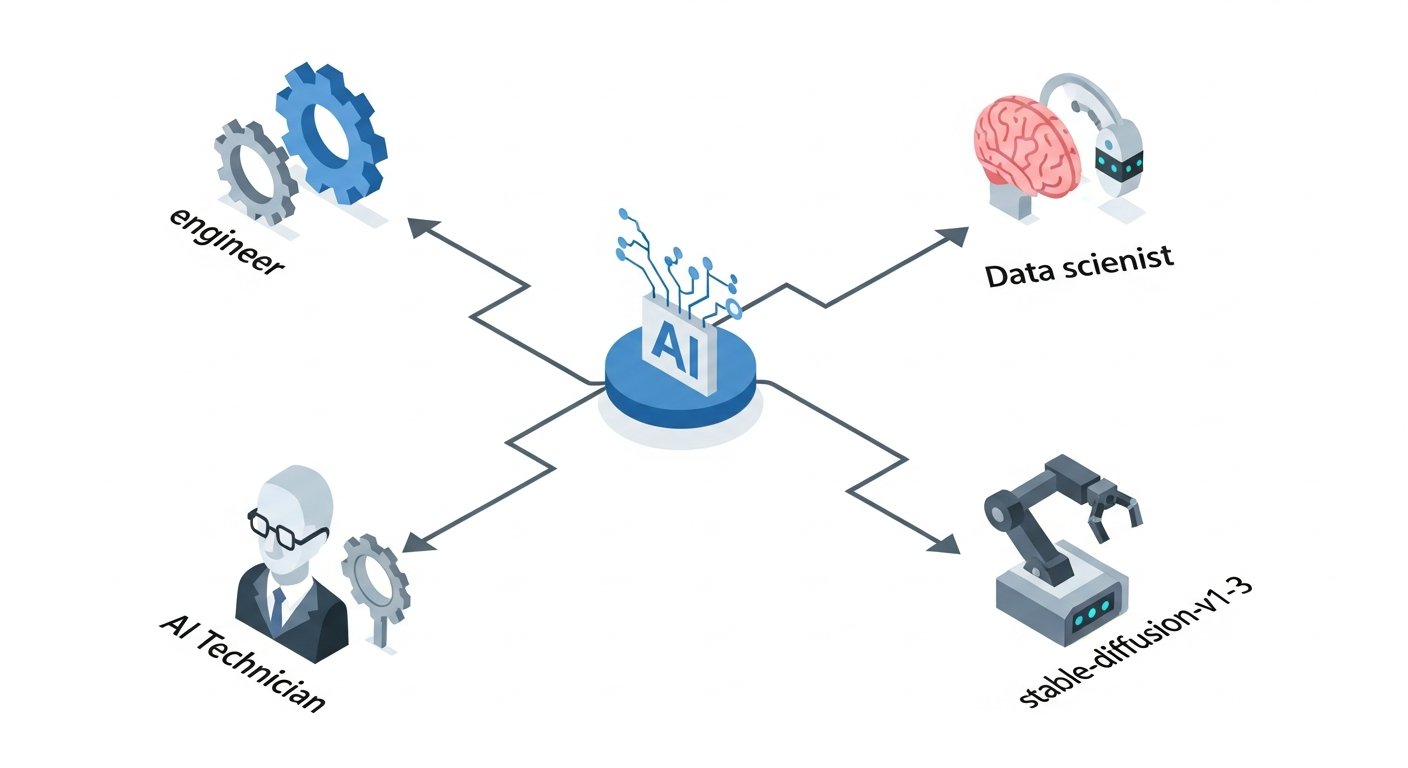
The blending of human and AI capabilities is giving rise to a new class of hybrid roles. These positions require individuals who can effectively collaborate with AI systems, understanding their strengths and limitations, and leveraging them to achieve superior outcomes. Examples include:
- AI-Assisted Designers: Professionals who use generative AI tools to rapidly prototype ideas, iterating on concepts at unprecedented speed, but retaining human oversight for aesthetic judgment and brand consistency.
- Data Scientists & AI Interpreters: Experts who not only build AI models but also explain their outputs, biases, and implications to non-technical stakeholders, bridging the gap between complex algorithms and practical business decisions.
- Robotics Process Automation (RPA) Specialists: Individuals who configure, monitor, and optimize software robots to automate business processes, requiring both technical acumen and an understanding of human workflow.
The Skills Gap and Reskilling Imperative
This transformation creates a significant skills gap. The demand for purely manual or routine cognitive skills is diminishing, while the need for advanced digital literacy, AI proficiency, and uniquely human soft skills is skyrocketing. Consequently, continuous learning and reskilling have become not just beneficial, but essential. Governments, educational institutions, and corporations are investing heavily in initiatives designed to upskill the existing workforce and prepare new entrants for the demands of the AI economy. This involves teaching coding, data science, AI ethics, and cultivating critical thinking, creativity, and adaptability through novel pedagogical approaches.
[INLINE IMAGE 1: place after second H2 | alt=”future jobs in ai concept illustration”]
The Architects of Tomorrow: New Roles Directly within AI Development
Beyond augmentation, the very creation, deployment, and oversight of AI systems are generating a plethora of specialized roles. These are the individuals at the forefront of the AI revolution, shaping the intelligent technologies that will define our future.
AI Ethicists and Governance Specialists
As AI systems become more powerful and pervasive, the ethical implications of their design and deployment are paramount. AI Ethicists and Governance Specialists are crucial in ensuring that AI is developed and used responsibly. They establish frameworks, policies, and best practices to prevent bias, protect privacy, ensure transparency, and promote fairness. Their work involves collaborating with engineers, policymakers, and legal experts to navigate complex moral dilemmas arising from AI’s impact on society, from algorithmic discrimination in hiring to autonomous decision-making in critical systems.
- Key Responsibilities: Developing ethical guidelines, conducting impact assessments, advising on regulatory compliance, designing bias detection and mitigation strategies.
- Required Skills: Philosophy, ethics, law, social sciences, AI literacy, strong communication and negotiation.
Prompt Engineers and AI Communicators
The rise of large language models (LLMs) and generative AI has created an entirely new discipline: prompt engineering. These specialists are masters at crafting precise, effective prompts to elicit desired outputs from AI systems. They understand the nuances of AI language models, how to guide them, and how to troubleshoot when outputs are not optimal. Beyond technical prompting, AI Communicators bridge the gap between complex AI capabilities and human understanding, explaining how AI works, what it can do, and its limitations to diverse audiences.
- Key Responsibilities: Crafting prompts for specific tasks, optimizing AI performance through iterative prompting, developing AI interaction protocols, training users on AI tools.
- Required Skills: Linguistics, computer science, creative writing, logical reasoning, deep understanding of generative AI models.
AI Model Auditors and Explainability Experts
As AI systems are deployed in high-stakes environments like healthcare, finance, and legal sectors, the ability to understand why an AI made a particular decision becomes critical. AI Model Auditors and Explainability (XAI) Experts specialize in dissecting complex “black box” AI models to ensure their decisions are transparent, fair, and compliant. They develop tools and methodologies to interpret AI behavior, identify potential biases, and provide clear explanations for outcomes, fostering trust and accountability.
- Key Responsibilities: Developing XAI techniques, conducting independent audits of AI models, identifying and quantifying bias, ensuring regulatory compliance.
- Required Skills: Machine learning, statistics, data science, ethics, strong analytical and problem-solving abilities.
Machine Learning Operations (MLOps) Engineers
Just as DevOps transformed software development, MLOps is revolutionizing the deployment and management of machine learning models. MLOps Engineers are the bridge between data science and operations. They are responsible for designing, implementing, and maintaining the infrastructure that allows AI models to be continuously integrated, deployed, monitored, and retrained in production environments. This ensures that AI systems are robust, scalable, and performing optimally over time.
- Key Responsibilities: Building and managing ML pipelines, automating model deployment, monitoring model performance, ensuring data governance, optimizing infrastructure.
- Required Skills: Software engineering, cloud computing (AWS, Azure, GCP), data engineering, machine learning fundamentals, DevOps practices.
AI Trainers and Data Curators
The effectiveness of any AI model hinges on the quality and quantity of the data it’s trained on. AI Trainers and Data Curators play a vital role in preparing and refining these datasets. AI Trainers specifically interact with models to guide their learning, often through providing feedback on outputs or annotating data. Data Curators focus on sourcing, cleaning, labeling, and organizing vast amounts of data, ensuring it is accurate, unbiased, and suitable for specific AI training purposes. Their work is fundamental to preventing flawed AI systems and enhancing model accuracy.
- Key Responsibilities: Annotating data, validating AI outputs, developing data labeling guidelines, ensuring data quality and privacy, identifying data biases.
- Required Skills: Attention to detail, domain expertise relevant to the data, understanding of AI learning processes, data management principles.
Robotics Engineers (Human-AI Collaboration Focus)
While robotics has existed for decades, the integration of advanced AI is creating a new breed of Robotics Engineers. These professionals focus not just on the mechanics and electronics of robots, but also on their intelligent behavior and seamless interaction with humans. They design robots capable of learning, adapting, and collaborating in complex environments, particularly in fields like assistive healthcare, advanced manufacturing, and logistics. Their work often involves programming human-robot interaction (HRI), ensuring safety, and optimizing collaborative efficiency.
- Key Responsibilities: Designing and programming intelligent robotic systems, developing human-robot interfaces, integrating AI for perception and decision-making, ensuring safety and compliance.
- Required Skills: Robotics, AI/machine learning, control systems, mechatronics, human-computer interaction (HCI).
Augmentation, Not Annihilation: AI-Enhanced Roles Across Industries
The most pervasive impact of AI on the job market is not the outright creation of entirely new categories, but the profound transformation and enhancement of existing ones. Across virtually every sector, AI is becoming a powerful co-pilot, empowering professionals to achieve more, innovate faster, and focus on higher-value tasks.
Healthcare: AI-Assisted Diagnosticians and Robotic Surgeons (Collaborative)
In healthcare, AI is a game-changer. AI-Assisted Diagnosticians leverage advanced machine learning algorithms to analyze medical images (X-rays, MRIs, CT scans) with unparalleled speed and accuracy, often identifying subtle patterns that human eyes might miss. This doesn’t replace the radiologist but provides a critical second opinion, improving diagnostic precision and reducing burnout. Similarly, Robotic Surgeons work in tandem with human surgeons, performing intricate maneuvers with extreme precision and stability. The human surgeon maintains full control, guiding the robot through complex procedures, enhancing patient outcomes and minimizing invasiveness.
- AI-Enhanced Roles: Clinical AI Specialists, Medical Image Analysts, Telemedicine AI Coordinators, AI-Integrated Care Planners.
- Skills Shift: Data interpretation, AI model understanding, ethical considerations in patient data, human-robot interaction.
Education: AI-Powered Learning Designers and Adaptive Tutoring Specialists
The education sector is being revolutionized by AI’s ability to personalize learning at scale. AI-Powered Learning Designers create adaptive curricula and educational content that responds to individual student needs, learning styles, and pace. They integrate AI tools to generate personalized exercises, identify knowledge gaps, and provide instant feedback. Adaptive Tutoring Specialists then manage and refine these AI systems, using data analytics to ensure optimal student engagement and progress. They act as mentors and guides, focusing on socio-emotional learning and complex problem-solving while AI handles the personalized instructional delivery.
Learn more about AI in education here.
- AI-Enhanced Roles: Personalized Learning Facilitators, AI EdTech Developers, Educational Data Analysts, Virtual Assistant Tutors.
- Skills Shift: Pedagogical expertise, data literacy, AI tool proficiency, empathy, curriculum design.
Creative Arts: AI-Empowered Content Creators and Digital Storytellers
Contrary to initial fears, AI is proving to be a powerful creative partner, not a replacement for artists. AI-Empowered Content Creators utilize generative AI models to explore new artistic styles, rapidly prototype designs, compose musical pieces, or even draft initial scripts. Digital Storytellers leverage AI to enhance visual effects, animate characters, or create immersive virtual environments, pushing the boundaries of narrative experiences. The human artist retains the vision, emotional depth, and ultimate creative direction, using AI as an extension of their toolkit to achieve unprecedented creative output and efficiency.
- AI-Enhanced Roles: Generative Art Directors, AI-Assisted Composers, Virtual Reality Experience Designers, Data-Driven Marketers.
- Skills Shift: Artistic vision, prompt engineering for creative outputs, understanding of AI limitations in creativity, storytelling, critical aesthetic judgment.
Business & Finance: AI-Driven Strategic Analysts and Algorithmic Auditors
In the fast-paced world of business and finance, AI offers unparalleled capabilities for data analysis and risk assessment. AI-Driven Strategic Analysts use sophisticated AI platforms to process vast market data, predict trends, identify investment opportunities, and model various business scenarios. This allows them to provide more accurate and timely insights for executive decision-making. Algorithmic Auditors, on the other hand, specialize in scrutinizing the complex algorithms used in financial trading, loan approvals, or insurance underwriting to ensure fairness, compliance, and prevent fraudulent activities. They are critical in maintaining trust and integrity in AI-driven financial systems.
- AI-Enhanced Roles: Predictive Analytics Specialists, AI Risk Managers, Automated Compliance Officers, AI-Powered Investment Advisors.
- Skills Shift: Financial acumen, statistical modeling, data governance, understanding of AI bias, regulatory knowledge.
Customer Service: AI-Orchestration Managers
Customer service is undergoing a significant transformation with AI. While chatbots handle routine inquiries, AI-Orchestration Managers are emerging as key figures. These professionals design, deploy, and manage the entire AI customer service ecosystem. They ensure seamless handoffs between AI assistants and human agents, optimize AI scripts, analyze performance metrics, and continually refine the customer journey. Their role is to ensure that AI enhances, rather than detracts from, the overall customer experience, leading to more efficient resolutions and higher satisfaction.
Explore more about AI in customer experience.
- AI-Enhanced Roles: Chatbot Developers, CX AI Strategists, Conversational AI Designers, Human-AI Collaboration Trainers.
- Skills Shift: UX/UI design principles, natural language processing (NLP) understanding, data analytics, empathetic communication, problem-solving.
[INLINE IMAGE 2: place after fourth H2 | alt=”future jobs in ai comparison illustration”]
Essential Human Skills for an AI-Dominated World
While AI can mimic and even surpass human capabilities in specific tasks, there remains a core set of uniquely human skills that are not only resistant to automation but will become increasingly valuable in the AI economy. Cultivating these attributes is paramount for anyone seeking to thrive in future jobs in AI.
Critical Thinking & Complex Problem Solving
AI excels at solving well-defined problems with clear data inputs. However, real-world problems are often ambiguous, ill-defined, and require connecting disparate pieces of information, considering ethical dimensions, and making judgments in the face of uncertainty. Critical thinking allows humans to evaluate AI outputs, question assumptions, identify biases, and formulate novel solutions that AI alone cannot. Complex problem-solving involves synthesizing information from various sources, including those outside of what an AI has been trained on, to develop innovative and holistic approaches.
- Why it matters: AI provides answers, but humans ask the right questions and interpret the true meaning.
Creativity & Innovation
While generative AI can produce “creative” content, true innovation often stems from conceptual leaps, intuitive connections, and the ability to envision something entirely new that deviates from existing patterns. Human creativity is driven by curiosity, emotion, personal experience, and the capacity for abstract thought – qualities AI currently lacks. In an AI-augmented world, creativity will be channeled into directing AI tools to generate novel ideas, designing new AI applications, and finding innovative ways to solve human challenges. The blend of human ingenuity with AI’s generative power will unlock unprecedented levels of innovation.
- Why it matters: AI executes, but humans inspire and define the breakthrough.
Emotional Intelligence & Interpersonal Communication
Skills such as empathy, active listening, collaboration, negotiation, and building rapport are inherently human and become even more crucial when working alongside AI. As AI handles more routine interactions, human roles will increasingly focus on tasks requiring high emotional intelligence: managing teams, resolving conflicts, understanding nuanced customer needs, mentoring colleagues, and leading strategic initiatives. Effective interpersonal communication is vital for explaining complex AI concepts, collaborating with diverse teams (human and AI), and influencing stakeholders.
- Why it matters: AI processes data, but humans connect, understand, and lead other humans.
Adaptability & Lifelong Learning
The pace of technological change, particularly in AI, is accelerating. Jobs, tools, and industry requirements will evolve rapidly. The ability to adapt to new technologies, embrace continuous learning, and reskill throughout one’s career is no longer an option but a necessity. This includes not just learning new technical skills, but also developing a growth mindset – the belief that one’s abilities can be developed through dedication and hard work. Future successful professionals will be those who actively seek out new knowledge and are comfortable with constant evolution.
- Why it matters: The AI landscape is dynamic; humans must be too.
Ethical Reasoning & Judgment
With AI making decisions that impact individuals and society, the ability to apply ethical reasoning and sound judgment is paramount. This skill involves understanding the societal implications of AI, identifying potential biases, weighing moral principles, and making decisions that align with human values. As AI systems become more autonomous, the human responsibility for their ethical governance and oversight will only grow. Ethical AI is not just a technical challenge; it’s a human one requiring profound moral foresight and accountability.
- Why it matters: AI processes rules, but humans define what is right, just, and fair.
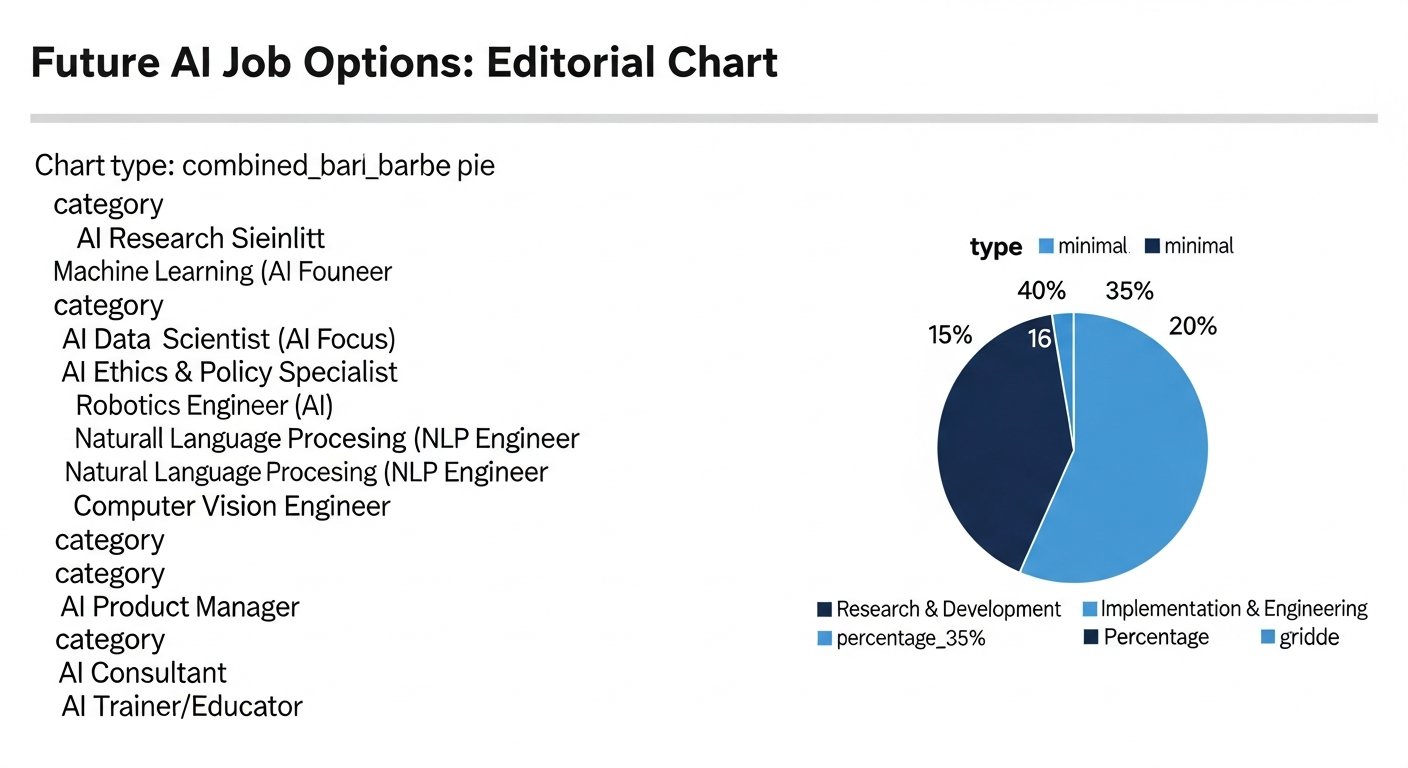
To illustrate the synergy between these essential human skills and the growing capabilities of AI, consider the following comparison:
| Human Skill Category | AI’s Contribution/Capability | Evolving Human Role in 2026 |
|---|---|---|
| Critical Thinking & Problem Solving | Data analysis, pattern recognition, hypothesis testing (within defined parameters), complex calculations. | Defining complex problems, questioning AI assumptions, evaluating AI outputs, innovating novel solutions, making nuanced judgments. |
| Creativity & Innovation | Generative content (text, images, code), exploring variations, synthesizing existing data, optimizing designs. | Artistic direction, conceptualizing new ideas, envisioning future possibilities, emotional storytelling, defining aesthetic and purpose. |
| Emotional Intelligence & Communication | Sentiment analysis, basic conversational interactions, data-driven personalization of messages. | Empathy, building relationships, leadership, negotiation, conflict resolution, understanding subtle human cues, motivational coaching. |
| Adaptability & Lifelong Learning | Rapid information processing, quick assimilation of new datasets, dynamic rule application, system optimization. | Strategic upskilling, embracing new technologies, adjusting to evolving roles, continuous personal and professional development. |
| Ethical Reasoning & Judgment | Bias detection (if programmed), adherence to predefined rules, flagging statistical anomalies. | Establishing ethical frameworks, anticipating societal impact, ensuring fairness and transparency, making morally complex decisions. |
| Strategic Planning & Vision | Forecasting based on historical data, identifying trends, optimizing resource allocation within given constraints. | Setting long-term goals, defining organizational purpose, inspiring teams, charting entirely new market directions, understanding macroeconomics. |
| Interdisciplinary Synthesis | Connecting data points across datasets, identifying correlations within specific domains. | Bridging knowledge gaps between different fields, integrating diverse perspectives, creating holistic solutions, fostering cross-functional collaboration. |
Navigating the Transition: Education, Training, and Policy
The transition to an AI-driven workforce is not just an individual challenge but a societal one, requiring concerted efforts from educational institutions, corporations, and governments. Proactive strategies are essential to ensure a smooth, equitable, and prosperous future.
Redesigning Educational Curricula
Traditional educational models are rapidly becoming outdated in the face of AI. Future-oriented curricula must emphasize foundational digital literacy, critical thinking, problem-solving, and AI ethics from early schooling through higher education. This means:
- Integrating AI Literacy: Introducing concepts of machine learning, data science, and AI’s societal impact at all levels of education.
- Project-Based Learning: Fostering collaboration, creativity, and real-world problem-solving through hands-on projects that often involve AI tools.
- Emphasis on Soft Skills: Explicitly teaching and evaluating emotional intelligence, communication, and adaptability, which are often overlooked in traditional academic settings.
- Interdisciplinary Studies: Encouraging students to combine technical skills with humanities, arts, and social sciences to develop well-rounded perspectives necessary for ethical AI development and application.
Corporate Reskilling and Upskilling Initiatives
Businesses recognize that their existing workforce is their most valuable asset. Forward-thinking companies are heavily investing in reskilling and upskilling programs to equip employees with AI-relevant competencies. This involves:
- Internal Training Platforms: Developing proprietary or licensing external platforms for employees to learn new skills at their own pace.
- Partnerships with EdTech: Collaborating with online learning providers (e.g., Coursera, Udacity, LinkedIn Learning) to offer specialized AI, data science, and digital transformation courses.
- Apprenticeships and Mentorship: Creating programs that pair experienced workers with emerging technologies, allowing for on-the-job learning and knowledge transfer.
- Culture of Continuous Learning: Fostering an organizational environment that values and rewards continuous professional development and adaptability.
Government Policies for Workforce Adaptation
Governments play a pivotal role in creating a supportive ecosystem for workforce transformation. This includes:
- Investment in AI Research & Development: Funding academic and industrial research to maintain a competitive edge and foster innovation.
- Universal Basic Income (UBI) / Safety Nets: Exploring or implementing policies that provide a social safety net to cushion the impact of potential job displacement in highly automated sectors.
- Lifelong Learning Subsidies: Offering grants, tax breaks, or vouchers for individuals to pursue reskilling and upskilling programs.
- Data Governance and Ethics: Establishing clear regulations around AI development and deployment to ensure ethical use, data privacy, and accountability, which in turn creates jobs in AI governance.
- International Collaboration: Working with other nations to harmonize AI standards and address global workforce challenges.
The Gig Economy and AI-Fueled Entrepreneurship
AI also fuels the growth of the gig economy and entrepreneurial ventures. Individuals can leverage AI tools to start businesses with lower overheads, offering specialized services that were once prohibitively expensive. From AI-powered marketing agencies to automated content creation platforms, the barriers to entry for entrepreneurship are decreasing. Governments and support organizations need to consider policies that protect gig workers and provide resources for small businesses leveraging AI.
Challenges and Ethical Considerations in the Future AI Workforce
While the opportunities presented by AI are immense, it’s crucial to address the significant challenges and ethical dilemmas that arise alongside this technological revolution. A responsible approach to AI integration requires foresight and proactive mitigation strategies.
Bias and Fairness in AI Systems
One of the most pressing concerns is the inherent bias that can be embedded in AI systems. If AI models are trained on biased data – data reflecting historical societal inequalities in hiring, lending, or law enforcement – they will perpetuate and even amplify those biases. This can lead to discriminatory outcomes, unfair treatment, and a deepening of social divides. Addressing this requires diverse data sets, rigorous auditing by human experts, and the development of explainable AI (XAI) techniques to understand and correct algorithmic biases. The demand for AI Ethicists and Auditors will continue to grow as organizations strive for equitable AI.
Data Privacy and Security
AI systems thrive on data. The collection, storage, and processing of vast amounts of personal and sensitive information raise significant privacy and security concerns. Breaches of data can have catastrophic consequences for individuals and organizations. Future jobs in AI will increasingly involve roles focused on data governance, cybersecurity, and privacy engineering, ensuring that AI systems comply with regulations like GDPR or CCPA and are resilient against malicious attacks. Balancing the need for data to train powerful AI with the imperative of privacy protection is a complex, ongoing challenge.
Job Quality and Worker Well-being
As AI automates routine tasks, there’s a risk that remaining human jobs could become highly monitored, de-skilled, or emotionally taxing. For example, in fields like customer service, humans might be relegated to handling only the most difficult and emotionally draining interactions, while AI takes the simpler ones. This could lead to increased stress, burnout, and a decline in overall job satisfaction. Ensuring job quality means focusing on roles that are augmented by AI, allowing humans to perform more creative, strategic, and socially engaging work. Policies must address fair compensation, mental health support, and the prevention of excessive surveillance in AI-powered workplaces.
The Digital Divide and Equitable Access
The benefits and opportunities presented by AI are not uniformly distributed. A significant “digital divide” exists globally and even within countries, separating those with access to technology, education, and the skills needed for the AI economy from those without. This gap could exacerbate existing inequalities, creating a two-tiered workforce. Addressing this requires investment in digital infrastructure, affordable access to technology, and inclusive educational programs that reach underserved communities. Ensuring equitable access to AI literacy and training is crucial to prevent a further widening of socio-economic disparities.
Explore how technology can bridge social divides.
The Autonomous Future and Human Control
As AI systems become more sophisticated and autonomous, questions around human control and accountability become more urgent. Who is responsible when an autonomous AI system makes an error or causes harm? How do we ensure that AI’s decision-making aligns with human values, especially in critical applications like autonomous vehicles or military systems? Future jobs in AI will include roles dedicated to oversight, regulatory compliance, and designing robust human-in-the-loop mechanisms to maintain ultimate human control and responsibility, even over highly advanced AI.
Preparing for Your Place in the AI Economy: A Strategic Roadmap
The future is not something to passively await; it’s something to actively shape. For individuals looking to thrive in an AI-driven world, a proactive and strategic approach to career development is essential. Here’s a roadmap to position yourself for success in future jobs in AI.
Self-Assessment and Skill Gap Analysis
The first step is to understand where you currently stand and where you need to go. Conduct a thorough self-assessment of your current skills, both technical and soft. Identify which of your current tasks are most susceptible to AI automation and which require uniquely human capabilities. Then, research the emerging skills in demand within your industry or a desired new field. Use this analysis to pinpoint your skill gaps and prioritize areas for development. Be brutally honest about what AI can do better and focus on what only you can do.
- Action: List your core competencies. Cross-reference with job descriptions for AI-augmented roles. Identify areas for growth.
Online Learning Platforms and Certifications
The internet offers an unparalleled wealth of resources for acquiring new skills. Online learning platforms like Coursera, edX, Udacity, and LinkedIn Learning provide specialized courses, professional certificates, and even full degree programs in AI, machine learning, data science, and related fields. Look for courses that offer hands-on projects, industry-recognized certifications, and opportunities to build a portfolio. Many universities also offer micro-credentials or bootcamps tailored to AI competencies.
- Action: Enroll in a beginner’s course on AI/ML fundamentals. Pursue a certification in data analytics or prompt engineering.
Networking and Mentorship
Connecting with professionals already working in AI or AI-augmented roles is invaluable. Attend industry conferences (virtual or in-person), join online communities (e.g., LinkedIn groups, Reddit forums, specialized Slack channels), and participate in hackathons. Seek out mentors who can offer guidance, share insights, and potentially open doors to new opportunities. Networking not only provides job leads but also keeps you informed about emerging trends and challenges in the AI landscape.
- Action: Attend one AI-focused webinar per month. Reach out to three professionals on LinkedIn for informational interviews.
Embracing a Growth Mindset
Perhaps the most crucial attribute for success in the AI era is a growth mindset. This involves believing that your abilities can be developed through dedication and hard work, rather than being fixed. Embrace curiosity, view challenges as opportunities for learning, and cultivate a willingness to adapt and experiment. The AI landscape will continue to evolve rapidly, and those who are open to continuous learning and reinvention will be best positioned to thrive.
- Action: Regularly reflect on learning opportunities. Practice resilience when facing new technical challenges.
Building a Portfolio and Practical Experience
Theoretical knowledge is important, but practical application is key. Build a portfolio of projects that demonstrate your AI-related skills. This could involve personal projects (e.g., building a small AI model, analyzing a dataset), contributing to open-source AI projects, or seeking out internships and volunteer opportunities that involve AI tools. Even if your current role isn’t AI-focused, look for ways to integrate AI tools into your daily tasks and showcase the value you bring through augmentation.
- Action: Complete an AI project on Kaggle. Propose using an AI tool to automate a task at your current job.
Focus on Interdisciplinary Skills
The most impactful AI solutions often come from a blend of technical prowess and domain expertise. If you have deep knowledge in an industry (e.g., healthcare, law, arts), seek to combine that with AI skills. An AI expert with a strong background in environmental science, for instance, is uniquely positioned to develop AI solutions for climate change. This interdisciplinary approach makes you more valuable and resilient.
- Action: Identify how AI can solve a specific problem in your current industry.
The journey into the AI-powered future is dynamic and exciting. By understanding the evolving landscape, cultivating essential human skills, and taking proactive steps in education and career development, you can confidently carve out a rewarding and impactful place for yourself in the future jobs in AI.
Conclusion: The Human-AI Collaboration Imperative
The narrative surrounding “future jobs in AI” has evolved from one of trepidation to one of immense opportunity. As we navigate 2026 and look further into the horizon, it becomes unequivocally clear that Artificial Intelligence is not here to universally replace human endeavor, but rather to redefine, augment, and elevate it. The most successful professionals and organizations will be those that embrace AI not as a competitor, but as a powerful collaborator.
We’ve explored the direct creation of entirely new roles within the AI development pipeline—from the critical ethical oversight of AI Ethicists to the intricate communication skills of Prompt Engineers. Simultaneously, we’ve seen how AI breathes new life into existing professions across healthcare, education, creative arts, business, and customer service, allowing human experts to shed mundane tasks and focus on strategic, creative, and emotionally intelligent endeavors. These augmented roles represent the vast majority of AI’s impact, underscoring the shift from automation of jobs to augmentation of tasks.
The bedrock of thriving in this evolving landscape lies in cultivating uniquely human skills: critical thinking, creativity, emotional intelligence, adaptability, and ethical reasoning. These are the attributes that AI cannot replicate, and they will become the true differentiators in a world where information processing and pattern recognition are increasingly automated. Beyond individual efforts, societal structures—education systems, corporate training programs, and governmental policies—must adapt to foster a culture of lifelong learning and equitable access to AI literacy.
The challenges are real: bias in algorithms, privacy concerns, the potential for job quality degradation, and the digital divide. However, by confronting these issues head-on with robust ethical frameworks, thoughtful policy, and collaborative solutions, we can steer the AI revolution towards a future that is inclusive, productive, and ultimately, more human-centric. The future of work is not just about AI; it’s about intelligent humans harnessing intelligent machines to solve humanity’s most complex problems and unlock unprecedented potential. The time to prepare, adapt, and innovate is now.
Frequently Asked Questions
Q1: Will AI take all our jobs by 2026?
A1: No, the widespread fear that AI will take all jobs by 2026 is largely unfounded. While AI is automating many routine and repetitive tasks, it is simultaneously creating new roles and augmenting existing ones, allowing humans to focus on higher-value, more complex, and creative work. The job market is transforming, not being eliminated, with a strong emphasis on human-AI collaboration.
Q2: What types of jobs are most likely to be created by AI?
A2: AI is creating a diverse range of new jobs. These include roles directly involved in AI development and oversight, such as AI Ethicists, Prompt Engineers, MLOps Engineers, AI Model Auditors, and Data Curators. Additionally, many existing roles will be augmented, leading to hybrid positions like AI-Assisted Diagnosticians in healthcare, AI-Powered Learning Designers in education, and AI-Driven Strategic Analysts in business.
Q3: What human skills are most valuable in an AI-dominated workforce?
A3: In an AI-dominated workforce, uniquely human skills become paramount. These include critical thinking, complex problem-solving, creativity, innovation, emotional intelligence, strong interpersonal communication, adaptability, lifelong learning, and ethical reasoning. AI excels at processing data, but humans excel at nuance, empathy, vision, and making value-based judgments.
Q4: How can I prepare myself or my career for the AI future?
A4: To prepare for the AI future, start by assessing your current skills and identifying gaps. Focus on acquiring new technical skills related to AI and data science through online courses or certifications. Crucially, cultivate essential human skills. Network with professionals in AI, seek mentorship, build a portfolio of AI-related projects, and embrace a mindset of continuous learning and adaptability. Look for ways to integrate AI tools into your current role.
Q5: Are there ethical concerns regarding AI and jobs?
A5: Yes, there are significant ethical concerns. These include the potential for AI systems to perpetuate biases from training data, issues surrounding data privacy and security, the impact of automation on job quality and worker well-being, and the widening of the digital divide if access to AI
Future Jobs in AI: Navigating the AI-Driven Workforce Transformation by 2026 and Beyond
Affiliate disclosure: This article may contain affiliate links. Recommendations are independent and editorially driven.
The dawn of Artificial Intelligence (AI) has ushered in an era of unprecedented technological advancement, profoundly reshaping industries, economies, and the very fabric of our professional lives. For years, the conversation around AI and employment has been dominated by anxieties of job displacement, automation taking over human tasks, and widespread unemployment. However, as we stand in 2026, a more nuanced and exciting reality is unfolding: AI is not merely replacing jobs; it is fundamentally transforming them, creating entirely new categories of work, and augmenting human capabilities in ways previously unimaginable.
This comprehensive guide from futureinsights delves deep into the landscape of future jobs in AI. We will explore the emerging roles directly related to AI development, the augmented positions across various sectors, and the indispensable human skills that will define success in an AI-powered economy. Our aim is to provide a clear, insightful roadmap for individuals, educators, and organizations alike, empowering them to navigate this dynamic transition and thrive amidst the AI revolution. Far from a narrative of obsolescence, this is a story of evolution, opportunity, and the exciting prospect of a human-AI collaborative future.
The AI Revolution: Reshaping the Global Workforce Landscape
The impact of AI is not a distant future concept; it is an omnipresent force in 2026. From sophisticated machine learning algorithms powering personalized recommendations to advanced robotics streamlining manufacturing, AI’s footprint is expanding exponentially. This rapid adoption is compelling a fundamental re-evaluation of how work is structured, performed, and valued.
Historical Context and Accelerated Evolution
While the theoretical foundations of AI stretch back decades, the last ten years have witnessed an explosive acceleration in its practical applications. Advances in computational power, the availability of vast datasets, and breakthroughs in deep learning have propelled AI from academic labs into mainstream business operations. What began with automating repetitive, rules-based tasks has quickly evolved into AI systems capable of complex pattern recognition, natural language processing, creative generation, and even decision support, challenging the long-held belief that certain cognitive functions were exclusively human domains.
Paradigm Shift: Beyond Simple Displacement
The initial fear-mongering around AI often painted a picture of widespread job eradication. While it’s undeniable that AI will automate certain tasks and, consequently, some job roles, the broader truth is more intricate. We are witnessing a paradigm shift where AI acts as a powerful tool, augmenting human intelligence and efficiency, rather than merely replacing it. This augmentation leads to higher productivity, opens avenues for innovation, and, critically, creates new categories of jobs that focus on the design, maintenance, ethical oversight, and strategic application of AI systems.
Economic Implications and Global Impact
The economic implications of this AI-driven transformation are vast. Nations and industries that proactively invest in AI infrastructure, research, and workforce retraining are poised to gain a significant competitive advantage. The global economy is shifting towards a knowledge-based, data-driven model, where AI literacy and adaptability are becoming as crucial as traditional literacy once was. This means new opportunities for economic growth and job creation, but also necessitates careful planning to ensure equitable distribution of these benefits and to mitigate potential disruptions in labor markets, particularly in sectors heavily reliant on routine tasks.
Understanding the AI-Driven Job Market Transformation
The narrative surrounding AI and jobs has matured beyond simple job loss predictions. Experts now largely agree that the most significant impact of AI will be on the nature of work itself, leading to task re-allocation and the emergence of hybrid roles that blend human intuition with AI efficiency.
Automation’s True Impact: Augmentation vs. Replacement
It’s crucial to distinguish between task automation and job replacement. AI excels at automating repetitive, predictable, and data-intensive tasks. This includes data entry, basic customer service inquiries, routine analytical work, and even some aspects of diagnostic imaging. When AI takes over these tasks, it doesn’t always eliminate the entire job. Instead, it frees human workers from mundane chores, allowing them to focus on higher-level, more complex, and uniquely human responsibilities that require creativity, critical thinking, emotional intelligence, and strategic decision-making. For instance, a financial analyst augmented by AI can process vast datasets faster, spending more time on strategic interpretation and client relationships rather than manual number crunching.
Emergence of Hybrid Roles
The blending of human and AI capabilities is giving rise to a new class of hybrid roles. These positions require individuals who can effectively collaborate with AI systems, understanding their strengths and limitations, and leveraging them to achieve superior outcomes. Examples include:
- AI-Assisted Designers: Professionals who use generative AI tools to rapidly prototype ideas, iterating on concepts at unprecedented speed, but retaining human oversight for aesthetic judgment and brand consistency.
- Data Scientists & AI Interpreters: Experts who not only build AI models but also explain their outputs, biases, and implications to non-technical stakeholders, bridging the gap between complex algorithms and practical business decisions.
- Robotics Process Automation (RPA) Specialists: Individuals who configure, monitor, and optimize software robots to automate business processes, requiring both technical acumen and an understanding of human workflow.
The Skills Gap and Reskilling Imperative
This transformation creates a significant skills gap. The demand for purely manual or routine cognitive skills is diminishing, while the need for advanced digital literacy, AI proficiency, and uniquely human soft skills is skyrocketing. Consequently, continuous learning and reskilling have become not just beneficial, but essential. Governments, educational institutions, and corporations are investing heavily in initiatives designed to upskill the existing workforce and prepare new entrants for the demands of the AI economy. This involves teaching coding, data science, AI ethics, and cultivating critical thinking, creativity, and adaptability through novel pedagogical approaches.
[INLINE IMAGE 1: place after second H2 | alt=”future jobs in ai concept illustration”]
The Architects of Tomorrow: New Roles Directly within AI Development
Beyond augmentation, the very creation, deployment, and oversight of AI systems are generating a plethora of specialized roles. These are the individuals at the forefront of the AI revolution, shaping the intelligent technologies that will define our future.
AI Ethicists and Governance Specialists
As AI systems become more powerful and pervasive, the ethical implications of their design and deployment are paramount. AI Ethicists and Governance Specialists are crucial in ensuring that AI is developed and used responsibly. They establish frameworks, policies, and best practices to prevent bias, protect privacy, ensure transparency, and promote fairness. Their work involves collaborating with engineers, policymakers, and legal experts to navigate complex moral dilemmas arising from AI’s impact on society, from algorithmic discrimination in hiring to autonomous decision-making in critical systems.
- Key Responsibilities: Developing ethical guidelines, conducting impact assessments, advising on regulatory compliance, designing bias detection and mitigation strategies.
- Required Skills: Philosophy, ethics, law, social sciences, AI literacy, strong communication and negotiation.
Prompt Engineers and AI Communicators
The rise of large language models (LLMs) and generative AI has created an entirely new discipline: prompt engineering. These specialists are masters at crafting precise, effective prompts to elicit desired outputs from AI systems. They understand the nuances of AI language models, how to guide them, and how to troubleshoot when outputs are not optimal. Beyond technical prompting, AI Communicators bridge the gap between complex AI capabilities and human understanding, explaining how AI works, what it can do, and its limitations to diverse audiences.
- Key Responsibilities: Crafting prompts for specific tasks, optimizing AI performance through iterative prompting, developing AI interaction protocols, training users on AI tools.
- Required Skills: Linguistics, computer science, creative writing, logical reasoning, deep understanding of generative AI models.
AI Model Auditors and Explainability Experts
As AI systems are deployed in high-stakes environments like healthcare, finance, and legal sectors, the ability to understand why an AI made a particular decision becomes critical. AI Model Auditors and Explainability (XAI) Experts specialize in dissecting complex “black box” AI models to ensure their decisions are transparent, fair, and compliant. They develop tools and methodologies to interpret AI behavior, identify potential biases, and provide clear explanations for outcomes, fostering trust and accountability.
- Key Responsibilities: Developing XAI techniques, conducting independent audits of AI models, identifying and quantifying bias, ensuring regulatory compliance.
- Required Skills: Machine learning, statistics, data science, ethics, strong analytical and problem-solving abilities.
Machine Learning Operations (MLOps) Engineers
Just as DevOps transformed software development, MLOps is revolutionizing the deployment and management of machine learning models. MLOps Engineers are the bridge between data science and operations. They are responsible for designing, implementing, and maintaining the infrastructure that allows AI models to be continuously integrated, deployed, monitored, and retrained in production environments. This ensures that AI systems are robust, scalable, and performing optimally over time.
- Key Responsibilities: Building and managing ML pipelines, automating model deployment, monitoring model performance, ensuring data governance, optimizing infrastructure.
- Required Skills: Software engineering, cloud computing (AWS, Azure, GCP), data engineering, machine learning fundamentals, DevOps practices.
AI Trainers and Data Curators
The effectiveness of any AI model hinges on the quality and quantity of the data it’s trained on. AI Trainers and Data Curators play a vital role in preparing and refining these datasets. AI Trainers specifically interact with models to guide their learning, often through providing feedback on outputs or annotating data. Data Curators focus on sourcing, cleaning, labeling, and organizing vast amounts of data, ensuring it is accurate, unbiased, and suitable for specific AI training purposes. Their work is fundamental to preventing flawed AI systems and enhancing model accuracy.
- Key Responsibilities: Annotating data, validating AI outputs, developing data labeling guidelines, ensuring data quality and privacy, identifying data biases.
- Required Skills: Attention to detail, domain expertise relevant to the data, understanding of AI learning processes, data management principles.
Robotics Engineers (Human-AI Collaboration Focus)
While robotics has existed for decades, the integration of advanced AI is creating a new breed of Robotics Engineers. These professionals focus not just on the mechanics and electronics of robots, but also on their intelligent behavior and seamless interaction with humans. They design robots capable of learning, adapting, and collaborating in complex environments, particularly in fields like assistive healthcare, advanced manufacturing, and logistics. Their work often involves programming human-robot interaction (HRI), ensuring safety, and optimizing collaborative efficiency.
- Key Responsibilities: Designing and programming intelligent robotic systems, developing human-robot interfaces, integrating AI for perception and decision-making, ensuring safety and compliance.
- Required Skills: Robotics, AI/machine learning, control systems, mechatronics, human-computer interaction (HCI).
Augmentation, Not Annihilation: AI-Enhanced Roles Across Industries
The most pervasive impact of AI on the job market is not the outright creation of entirely new categories, but the profound transformation and enhancement of existing ones. Across virtually every sector, AI is becoming a powerful co-pilot, empowering professionals to achieve more, innovate faster, and focus on higher-value tasks.
Healthcare: AI-Assisted Diagnosticians and Robotic Surgeons (Collaborative)
In healthcare, AI is a game-changer. AI-Assisted Diagnosticians leverage advanced machine learning algorithms to analyze medical images (X-rays, MRIs, CT scans) with unparalleled speed and accuracy, often identifying subtle patterns that human eyes might miss. This doesn’t replace the radiologist but provides a critical second opinion, improving diagnostic precision and reducing burnout. Similarly, Robotic Surgeons work in tandem with human surgeons, performing intricate maneuvers with extreme precision and stability. The human surgeon maintains full control, guiding the robot through complex procedures, enhancing patient outcomes and minimizing invasiveness.
- AI-Enhanced Roles: Clinical AI Specialists, Medical Image Analysts, Telemedicine AI Coordinators, AI-Integrated Care Planners.
- Skills Shift: Data interpretation, AI model understanding, ethical considerations in patient data, human-robot interaction.
Education: AI-Powered Learning Designers and Adaptive Tutoring Specialists
The education sector is being revolutionized by AI’s ability to personalize learning at scale. AI-Powered Learning Designers create adaptive curricula and educational content that responds to individual student needs, learning styles, and pace. They integrate AI tools to generate personalized exercises, identify knowledge gaps, and provide instant feedback. Adaptive Tutoring Specialists then manage and refine these AI systems, using data analytics to ensure optimal student engagement and progress. They act as mentors and guides, focusing on socio-emotional learning and complex problem-solving while AI handles the personalized instructional delivery.
Learn more about AI in education here.
- AI-Enhanced Roles: Personalized Learning Facilitators, AI EdTech Developers, Educational Data Analysts, Virtual Assistant Tutors.
- Skills Shift: Pedagogical expertise, data literacy, AI tool proficiency, empathy, curriculum design.
Creative Arts: AI-Empowered Content Creators and Digital Storytellers
Contrary to initial fears, AI is proving to be a powerful creative partner, not a replacement for artists. AI-Empowered Content Creators utilize generative AI models to explore new artistic styles, rapidly prototype designs, compose musical pieces, or even draft initial scripts. Digital Storytellers leverage AI to enhance visual effects, animate characters, or create immersive virtual environments, pushing the boundaries of narrative experiences. The human artist retains the vision, emotional depth, and ultimate creative direction, using AI as an extension of their toolkit to achieve unprecedented creative output and efficiency.
- AI-Enhanced Roles: Generative Art Directors, AI-Assisted Composers, Virtual Reality Experience Designers, Data-Driven Marketers.
- Skills Shift: Artistic vision, prompt engineering for creative outputs, understanding of AI limitations in creativity, storytelling, critical aesthetic judgment.
Business & Finance: AI-Driven Strategic Analysts and Algorithmic Auditors
In the fast-paced world of business and finance, AI offers unparalleled capabilities for data analysis and risk assessment. AI-Driven Strategic Analysts use sophisticated AI platforms to process vast market data, predict trends, identify investment opportunities, and model various business scenarios. This allows them to provide more accurate and timely insights for executive decision-making. Algorithmic Auditors, on the other hand, specialize in scrutinizing the complex algorithms used in financial trading, loan approvals, or insurance underwriting to ensure fairness, compliance, and prevent fraudulent activities. They are critical in maintaining trust and integrity in AI-driven financial systems.
- AI-Enhanced Roles: Predictive Analytics Specialists, AI Risk Managers, Automated Compliance Officers, AI-Powered Investment Advisors.
- Skills Shift: Financial acumen, statistical modeling, data governance, understanding of AI bias, regulatory knowledge.
Customer Service: AI-Orchestration Managers
Customer service is undergoing a significant transformation with AI. While chatbots handle routine inquiries, AI-Orchestration Managers are emerging as key figures. These professionals design, deploy, and manage the entire AI customer service ecosystem. They ensure seamless handoffs between AI assistants and human agents, optimize AI scripts, analyze performance metrics, and continually refine the customer journey. Their role is to ensure that AI enhances, rather than detracts from, the overall customer experience, leading to more efficient resolutions and higher satisfaction.
Explore more about AI in customer experience.
- AI-Enhanced Roles: Chatbot Developers, CX AI Strategists, Conversational AI Designers, Human-AI Collaboration Trainers.
- Skills Shift: UX/UI design principles, natural language processing (NLP) understanding, data analytics, empathetic communication, problem-solving.
[INLINE IMAGE 2: place after fourth H2 | alt=”future jobs in ai comparison illustration”]
Essential Human Skills for an AI-Dominated World
While AI can mimic and even surpass human capabilities in specific tasks, there remains a core set of uniquely human skills that are not only resistant to automation but will become increasingly valuable in the AI economy. Cultivating these attributes is paramount for anyone seeking to thrive in future jobs in AI.
Critical Thinking & Complex Problem Solving
AI excels at solving well-defined problems with clear data inputs. However, real-world problems are often ambiguous, ill-defined, and require connecting disparate pieces of information, considering ethical dimensions, and making judgments in the face of uncertainty. Critical thinking allows humans to evaluate AI outputs, question assumptions, identify biases, and formulate novel solutions that AI alone cannot. Complex problem-solving involves synthesizing information from various sources, including those outside of what an AI has been trained on, to develop innovative and holistic approaches.
- Why it matters: AI provides answers, but humans ask the right questions and interpret the true meaning.
Creativity & Innovation
While generative AI can produce “creative” content, true innovation often stems from conceptual leaps, intuitive connections, and the ability to envision something entirely new that deviates from existing patterns. Human creativity is driven by curiosity, emotion, personal experience, and the capacity for abstract thought – qualities AI currently lacks. In an AI-augmented world, creativity will be channeled into directing AI tools to generate novel ideas, designing new AI applications, and finding innovative ways to solve human challenges. The blend of human ingenuity with AI’s generative power will unlock unprecedented levels of innovation.
- Why it matters: AI executes, but humans inspire and define the breakthrough.
Emotional Intelligence & Interpersonal Communication
Skills such as empathy, active listening, collaboration, negotiation, and building rapport are inherently human and become even more crucial when working alongside AI. As AI handles more routine interactions, human roles will increasingly focus on tasks requiring high emotional intelligence: managing teams, resolving conflicts, understanding nuanced customer needs, mentoring colleagues, and leading strategic initiatives. Effective interpersonal communication is vital for explaining complex AI concepts, collaborating with diverse teams (human and AI), and influencing stakeholders.
- Why it matters: AI processes data, but humans connect, understand, and lead other humans.
Adaptability & Lifelong Learning
The pace of technological change, particularly in AI, is accelerating. Jobs, tools, and industry requirements will evolve rapidly. The ability to adapt to new technologies, embrace continuous learning, and reskill throughout one’s career is no longer an option but a necessity. This includes not just learning new technical skills, but also developing a growth mindset – the belief that one’s abilities can be developed through dedication and hard work. Future successful professionals will be those who actively seek out new knowledge and are comfortable with constant evolution.
- Why it matters: The AI landscape is dynamic; humans must be too.
Ethical Reasoning & Judgment
With AI making decisions that impact individuals and society, the ability to apply ethical reasoning and sound judgment is paramount. This skill involves understanding the societal implications of AI, identifying potential biases, weighing moral principles, and making decisions that align with human values. As AI systems become more autonomous, the human responsibility for their ethical governance and oversight will only grow. Ethical AI is not just a technical challenge; it’s a human one requiring profound moral foresight and accountability.
- Why it matters: AI processes rules, but humans define what is right, just, and fair.
To illustrate the synergy between these essential human skills and the growing capabilities of AI, consider the following comparison:
| Human Skill Category | AI’s Contribution/Capability | Evolving Human Role in 2026 |
|---|---|---|
| Critical Thinking & Problem Solving | Data analysis, pattern recognition, hypothesis testing (within defined parameters), complex calculations. | Defining complex problems, questioning AI assumptions, evaluating AI outputs, innovating novel solutions, making nuanced judgments. |
| Creativity & Innovation | Generative content (text, images, code), exploring variations, synthesizing existing data, optimizing designs. | Artistic direction, conceptualizing new ideas, envisioning future possibilities, emotional storytelling, defining aesthetic and purpose. |
| Emotional Intelligence & Communication | Sentiment analysis, basic conversational interactions, data-driven personalization of messages. | Empathy, building relationships, leadership, negotiation, conflict resolution, understanding subtle human cues, motivational coaching. |
| Adaptability & Lifelong Learning | Rapid information processing, quick assimilation of new datasets, dynamic rule application, system optimization. | Strategic upskilling, embracing new technologies, adjusting to evolving roles, continuous personal and professional development. |
| Ethical Reasoning & Judgment | Bias detection (if programmed), adherence to predefined rules, flagging statistical anomalies. | Establishing ethical frameworks, anticipating societal impact, ensuring fairness and transparency, making morally complex decisions. |
| Strategic Planning & Vision | Forecasting based on historical data, identifying trends, optimizing resource allocation within given constraints. | Setting long-term goals, defining organizational purpose, inspiring teams, charting entirely new market directions, understanding macroeconomics. |
| Interdisciplinary Synthesis | Connecting data points across datasets, identifying correlations within specific domains. | Bridging knowledge gaps between different fields, integrating diverse perspectives, creating holistic solutions, fostering cross-functional collaboration. |
Navigating the Transition: Education, Training, and Policy
The transition to an AI-driven workforce is not just an individual challenge but a societal one, requiring concerted efforts from educational institutions, corporations, and governments. Proactive strategies are essential to ensure a smooth, equitable, and prosperous future.
Redesigning Educational Curricula
Traditional educational models are rapidly becoming outdated in the face of AI. Future-oriented curricula must emphasize foundational digital literacy, critical thinking, problem-solving, and AI ethics from early schooling through higher education. This means:
- Integrating AI Literacy: Introducing concepts of machine learning, data science, and AI’s societal impact at all levels of education.
- Project-Based Learning: Fostering collaboration, creativity, and real-world problem-solving through hands-on projects that often involve AI tools.
- Emphasis on Soft Skills: Explicitly teaching and evaluating emotional intelligence, communication, and adaptability, which are often overlooked in traditional academic settings.
- Interdisciplinary Studies: Encouraging students to combine technical skills with humanities, arts, and social sciences to develop well-rounded perspectives necessary for ethical AI development and application.
Corporate Reskilling and Upskilling Initiatives
Businesses recognize that their existing workforce is their most valuable asset. Forward-thinking companies are heavily investing in reskilling and upskilling programs to equip employees with AI-relevant competencies. This involves:
- Internal Training Platforms: Developing proprietary or licensing external platforms for employees to learn new skills at their own pace.
- Partnerships with EdTech: Collaborating with online learning providers (e.g., Coursera, Udacity, LinkedIn Learning) to offer specialized AI, data science, and digital transformation courses.
- Apprenticeships and Mentorship: Creating programs that pair experienced workers with emerging technologies, allowing for on-the-job learning and knowledge transfer.
- Culture of Continuous Learning: Fostering an organizational environment that values and rewards continuous professional development and adaptability.
Government Policies for Workforce Adaptation
Governments play a pivotal role in creating a supportive ecosystem for workforce transformation. This includes:
- Investment in AI Research & Development: Funding academic and industrial research to maintain a competitive edge and foster innovation.
- Universal Basic Income (UBI) / Safety Nets: Exploring or implementing policies that provide a social safety net to cushion the impact of potential job displacement in highly automated sectors.
- Lifelong Learning Subsidies: Offering grants, tax breaks, or vouchers for individuals to pursue reskilling and upskilling programs.
- Data Governance and Ethics: Establishing clear regulations around AI development and deployment to ensure ethical use, data privacy, and accountability, which in turn creates jobs in AI governance.
- International Collaboration: Working with other nations to harmonize AI standards and address global workforce challenges.
The Gig Economy and AI-Fueled Entrepreneurship
AI also fuels the growth of the gig economy and entrepreneurial ventures. Individuals can leverage AI tools to start businesses with lower overheads, offering specialized services that were once prohibitively expensive. From AI-powered marketing agencies to automated content creation platforms, the barriers to entry for entrepreneurship are decreasing. Governments and support organizations need to consider policies that protect gig workers and provide resources for small businesses leveraging AI.
Challenges and Ethical Considerations in the Future AI Workforce
While the opportunities presented by AI are immense, it’s crucial to address the significant challenges and ethical dilemmas that arise alongside this technological revolution. A responsible approach to AI integration requires foresight and proactive mitigation strategies.
Bias and Fairness in AI Systems
One of the most pressing concerns is the inherent bias that can be embedded in AI systems. If AI models are trained on biased data – data reflecting historical societal inequalities in hiring, lending, or law enforcement – they will perpetuate and even amplify those biases. This can lead to discriminatory outcomes, unfair treatment, and a deepening of social divides. Addressing this requires diverse data sets, rigorous auditing by human experts, and the development of explainable AI (XAI) techniques to understand and correct algorithmic biases. The demand for AI Ethicists and Auditors will continue to grow as organizations strive for equitable AI.
Data Privacy and Security
AI systems thrive on data. The collection, storage, and processing of vast amounts of personal and sensitive information raise significant privacy and security concerns. Breaches of data can have catastrophic consequences for individuals and organizations. Future jobs in AI will increasingly involve roles focused on data governance, cybersecurity, and privacy engineering, ensuring that AI systems comply with regulations like GDPR or CCPA and are resilient against malicious attacks. Balancing the need for data to train powerful AI with the imperative of privacy protection is a complex, ongoing challenge.
Job Quality and Worker Well-being
As AI automates routine tasks, there’s a risk that remaining human jobs could become highly monitored, de-skilled, or emotionally taxing. For example, in fields like customer service, humans might be relegated to handling only the most difficult and emotionally draining interactions, while AI takes the simpler ones. This could lead to increased stress, burnout, and a decline in overall job satisfaction. Ensuring job quality means focusing on roles that are augmented by AI, allowing humans to perform more creative, strategic, and socially engaging work. Policies must address fair compensation, mental health support, and the prevention of excessive surveillance in AI-powered workplaces.
The Digital Divide and Equitable Access
The benefits and opportunities presented by AI are not uniformly distributed. A significant “digital divide” exists globally and even within countries, separating those with access to technology, education, and the skills needed for the AI economy from those without. This gap could exacerbate existing inequalities, creating a two-tiered workforce. Addressing this requires investment in digital infrastructure, affordable access to technology, and inclusive educational programs that reach underserved communities. Ensuring equitable access to AI literacy and training is crucial to prevent a further widening of socio-economic disparities.
Explore how technology can bridge social divides.
The Autonomous Future and Human Control
As AI systems become more sophisticated and autonomous, questions around human control and accountability become more urgent. Who is responsible when an autonomous AI system makes an error or causes harm? How do we ensure that AI’s decision-making aligns with human values, especially in critical applications like autonomous vehicles or military systems? Future jobs in AI will include roles dedicated to oversight, regulatory compliance, and designing robust human-in-the-loop mechanisms to maintain ultimate human control and responsibility, even over highly advanced AI.
Preparing for Your Place in the AI Economy: A Strategic Roadmap
The future is not something to passively await; it’s something to actively shape. For individuals looking to thrive in an AI-driven world, a proactive and strategic approach to career development is essential. Here’s a roadmap to position yourself for success in future jobs in AI.
Self-Assessment and Skill Gap Analysis
The first step is to understand where you currently stand and where you need to go. Conduct a thorough self-assessment of your current skills, both technical and soft. Identify which of your current tasks are most susceptible to AI automation and which require uniquely human capabilities. Then, research the emerging skills in demand within your industry or a desired new field. Use this analysis to pinpoint your skill gaps and prioritize areas for development. Be brutally honest about what AI can do better and focus on what only you can do.
- Action: List your core competencies. Cross-reference with job descriptions for AI-augmented roles. Identify areas for growth.
Online Learning Platforms and Certifications
The internet offers an unparalleled wealth of resources for acquiring new skills. Online learning platforms like Coursera, edX, Udacity, and LinkedIn Learning provide specialized courses, professional certificates, and even full degree programs in AI, machine learning, data science, and related fields. Look for courses that offer hands-on projects, industry-recognized certifications, and opportunities to build a portfolio. Many universities also offer micro-credentials or bootcamps tailored to AI competencies.
- Action: Enroll in a beginner’s course on AI/ML fundamentals. Pursue a certification in data analytics or prompt engineering.
Networking and Mentorship
Connecting with professionals already working in AI or AI-augmented roles is invaluable. Attend industry conferences (virtual or in-person), join online communities (e.g., LinkedIn groups, Reddit forums, specialized Slack channels), and participate in hackathons. Seek out mentors who can offer guidance, share insights, and potentially open doors to new opportunities. Networking not only provides job leads but also keeps you informed about emerging trends and challenges in the AI landscape.
- Action: Attend one AI-focused webinar per month. Reach out to three professionals on LinkedIn for informational interviews.
Embracing a Growth Mindset
Perhaps the most crucial attribute for success in the AI era is a growth mindset. This involves believing that your abilities can be developed through dedication and hard work, rather than being fixed. Embrace curiosity, view challenges as opportunities for learning, and cultivate a willingness to adapt and experiment. The AI landscape will continue to evolve rapidly, and those who are open to continuous learning and reinvention will be best positioned to thrive.
- Action: Regularly reflect on learning opportunities. Practice resilience when facing new technical challenges.
Building a Portfolio and Practical Experience
Theoretical knowledge is important, but practical application is key. Build a portfolio of projects that demonstrate your AI-related skills. This could involve personal projects (e.g., building a small AI model, analyzing a dataset), contributing to open-source AI projects, or seeking out internships and volunteer opportunities that involve AI tools. Even if your current role isn’t AI-focused, look for ways to integrate AI tools into your daily tasks and showcase the value you bring through augmentation.
- Action: Complete an AI project on Kaggle. Propose using an AI tool to automate a task at your current job.
Focus on Interdisciplinary Skills
The most impactful AI solutions often come from a blend of technical prowess and domain expertise. If you have deep knowledge in an industry (e.g., healthcare, law, arts), seek to combine that with AI skills. An AI expert with a strong background in environmental science, for instance, is uniquely positioned to develop AI solutions for climate change. This interdisciplinary approach makes you more valuable and resilient.
- Action: Identify how AI can solve a specific problem in your current industry.
The journey into the AI-powered future is dynamic and exciting. By understanding the evolving landscape, cultivating essential human skills, and taking proactive steps in education and career development, you can confidently carve out a rewarding and impactful place for yourself in the future jobs in AI.
Conclusion: The Human-AI Collaboration Imperative
The narrative surrounding “future jobs in AI” has evolved from one of trepidation to one of immense opportunity. As we navigate 2026 and look further into the horizon, it becomes unequivocally clear that Artificial Intelligence is not here to universally replace human endeavor, but rather to redefine, augment, and elevate it. The most successful professionals and organizations will be those that embrace AI not as a competitor, but as a powerful collaborator.
We’ve explored the direct creation of entirely new roles within the AI development pipeline—from the critical ethical oversight of AI Ethicists to the intricate communication skills of Prompt Engineers. Simultaneously, we’ve seen how AI breathes new life into existing professions across healthcare, education, creative arts, business, and customer service, allowing human experts to shed mundane tasks and focus on strategic, creative, and emotionally intelligent endeavors. These augmented roles represent the vast majority of AI’s impact, underscoring the shift from automation of jobs to augmentation of tasks.
The bedrock of thriving in this evolving landscape lies in cultivating uniquely human skills: critical thinking, creativity, emotional intelligence, adaptability, and ethical reasoning. These are the attributes that AI cannot replicate, and they will become the true differentiators in a world where information processing and pattern recognition are increasingly automated. Beyond individual efforts, societal structures—education systems, corporate training programs, and governmental policies—must adapt to foster a culture of lifelong learning and equitable access to AI literacy.
The challenges are real: bias in algorithms, privacy concerns, the potential for job quality degradation, and the digital divide. However, by confronting these issues head-on with robust ethical frameworks, thoughtful policy, and collaborative solutions, we can steer the AI revolution towards a future that is inclusive, productive, and ultimately, more human-centric. The future of work is not just about AI; it’s about intelligent humans harnessing intelligent machines to solve humanity’s most complex problems and unlock unprecedented potential. The time to prepare, adapt, and innovate is now.
Frequently Asked Questions
Q1: Will AI take all our jobs by 2026?
A1: No, the widespread fear that AI will take all jobs by 2026 is largely unfounded. While AI is automating many routine and repetitive tasks, it is simultaneously creating new roles and augmenting existing ones, allowing humans to focus on higher-value, more complex, and creative work. The job market is transforming, not being eliminated, with a strong emphasis on human-AI collaboration.
Q2: What types of jobs are most likely to be created by AI?
A2: AI is creating a diverse range of new jobs. These include roles directly involved in AI development and oversight, such as AI Ethicists, Prompt Engineers, MLOps Engineers, AI Model Auditors, and Data Curators. Additionally, many existing roles will be augmented, leading to hybrid positions like AI-Assisted Diagnosticians in healthcare, AI-Powered Learning Designers in education, and AI-Driven Strategic Analysts in business.
Q3: What human skills are most valuable in an AI-dominated workforce?
A3: In an AI-dominated workforce, uniquely human skills become paramount. These include critical thinking, complex problem-solving, creativity, innovation, emotional intelligence, strong interpersonal communication, adaptability, lifelong learning, and ethical reasoning. AI excels at processing data, but humans excel at nuance, empathy, vision, and making value-based judgments.
Q4: How can I prepare myself or my career for the AI future?
A4: To prepare for the AI future, start by assessing your current skills and identifying gaps. Focus on acquiring new technical skills related to AI and data science through online courses or certifications. Crucially, cultivate essential human skills. Network with professionals in AI, seek mentorship, build a portfolio of AI-related projects, and embrace a mindset of continuous learning and adaptability. Look for ways to integrate AI tools into your current role.
Q5: Are there ethical concerns regarding AI and jobs?
A5: Yes, there are significant ethical concerns. These include the potential for AI systems to perpetuate biases from training data, issues surrounding data privacy and security, the impact of automation on job quality and worker well-being, and the widening of the digital divide if access to AI