Uncover the future of space manufacturing technologies, enabling distributed production and predictive capabilities. Explore advanced insights....
Explore cutting-edge innovations shaping the future of education technology. Understand their impact on learning systems and instructional...
Aging Reversal Technologies: The Future of Longevity and the End of Biological Decay For centuries, the quest for the...
Decoding the Blueprint: The Rise of Bioinformatics Big Data in Genomics In the early 2000s, sequencing the first human...
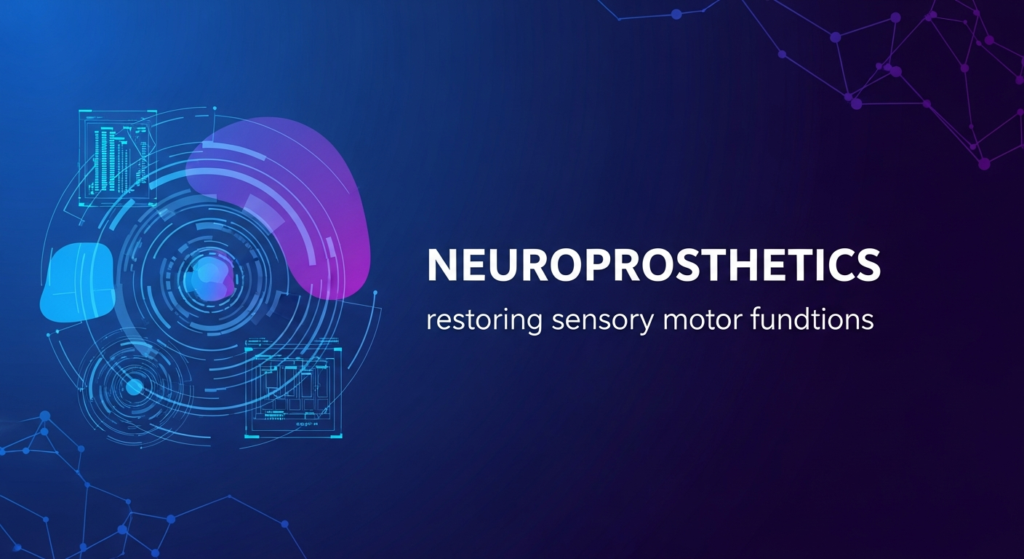
The Bionic Breakthrough: How Neuroprosthetics are Restoring Sensory-Motor Functions in 2026 For decades, the boundary between human biology and...
Programming Life: The Rise of Synthetic Biology Innovations and the Ethical Frontier of 2026 For decades, humanity has been...
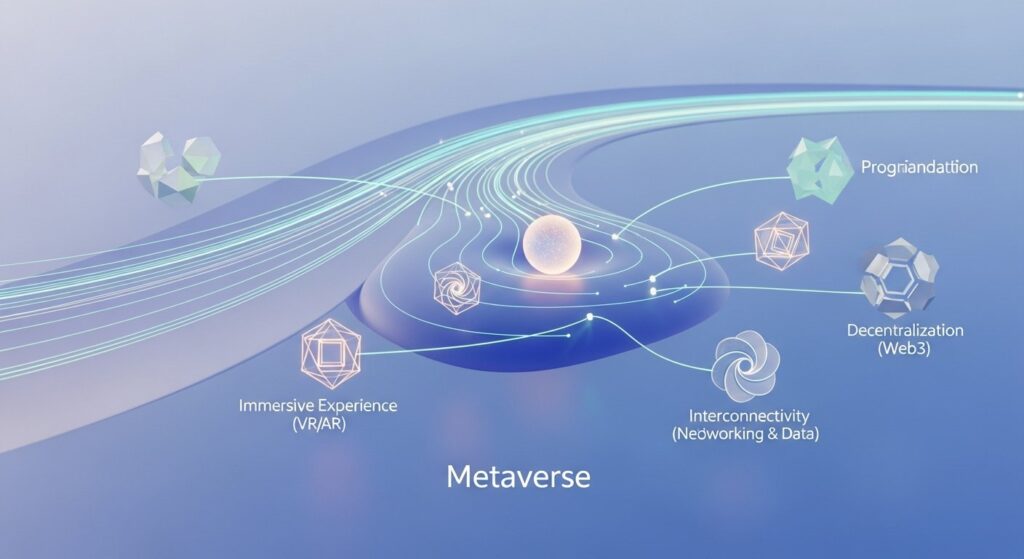
Uncover how Metaverse Technologies Explained utilize real-time data and factual information for dynamic virtual worlds. Discover...
Emerging Technology Trends: The Complete Guide 2026 The landscape of technology is evolving at an unprecedented pace, fundamentally reshaping...
Augmented Reality in Everyday Life: Real-World Use Cases 2026 Augmented Reality (AR) is rapidly transforming our daily lives, moving...
Smart Home Technology Guide: Setting Up Your Smart Home in 2026 TL;DR: Setting up a smart home in 2026...
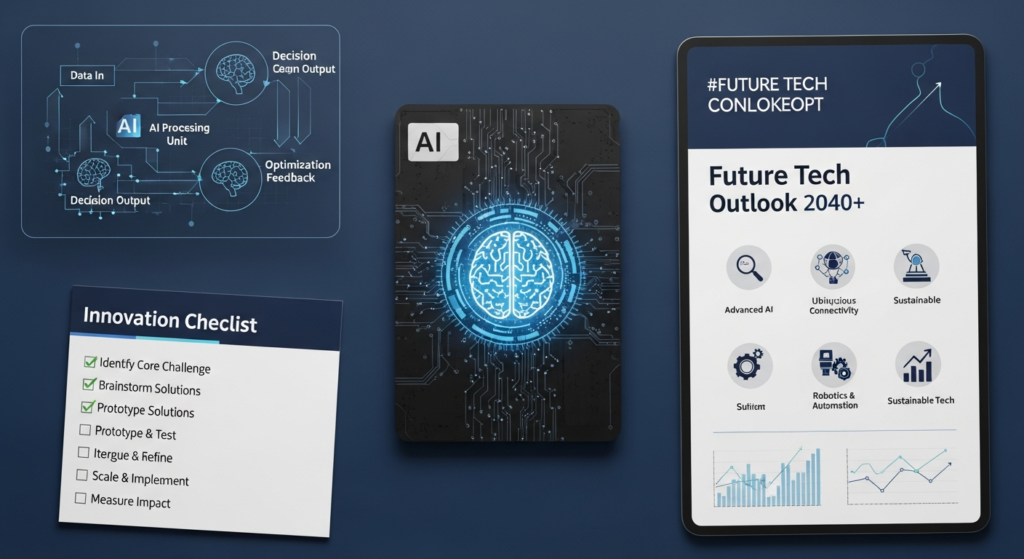
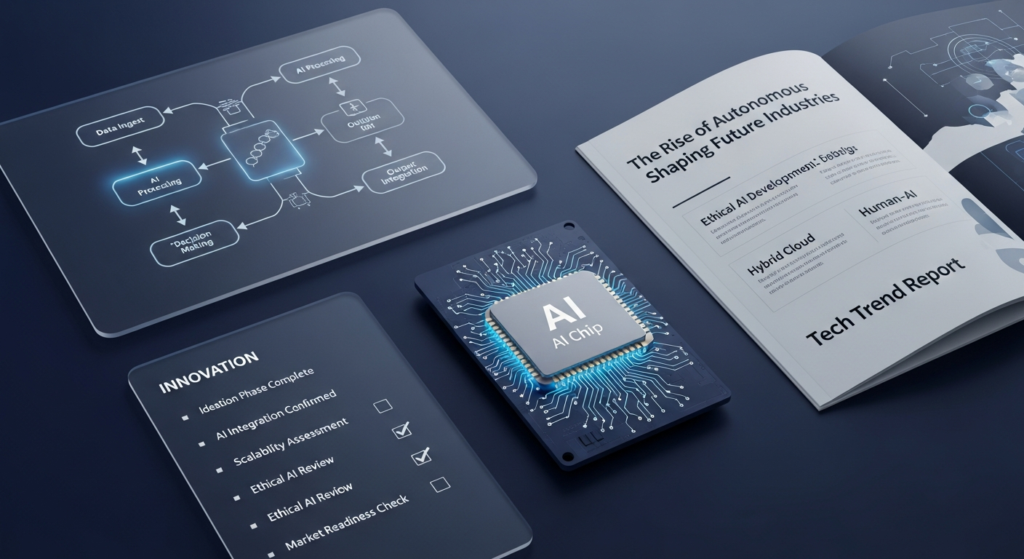
Artificial Intelligence (AI) is poised to revolutionize numerous industries, driving unprecedented efficiency and innovation. From automating complex tasks to providing advanced data analysis, AI's integration promises to reshape how businesses operate and how we interact with technology.
Key areas of AI impact include healthcare, where AI aids in diagnostics and drug discovery; finance, for fraud detection and algorithmic trading; and manufacturing, through predictive maintenance and robotic automation. The continuous development of machine learning and deep learning algorithms further amplifies AI's transformative potential.
Artificial intelligence is transforming education by enabling highly personalized learning experiences tailored to individual student needs and paces. AI-powered platforms can identify learning gaps, recommend specific resources, and adapt curriculum in real-time, fostering more effective knowledge acquisition.
These systems often utilize adaptive learning algorithms that adjust the difficulty and content based on student performance, providing immediate feedback. Examples include intelligent tutoring systems that simulate one-on-one instruction and AI-driven analytics that help educators understand student progress and engagement patterns.