The Great Reshaping: How Automation is Redefining the Future of Work
Beyond Job Displacement: Understanding Automation’s Nuances
The most common narrative surrounding automation is one of job loss. While it’s true that certain tasks and even entire roles are susceptible to automation, focusing solely on displacement misses the larger, more intricate picture. History shows us that technological revolutions, from the agricultural revolution to the industrial age and the digital era, have consistently transformed economies, making old jobs obsolete while simultaneously creating new ones on an unprecedented scale. Today’s automation wave is no different, albeit with a speed and scope that demands a more proactive response.
Automation as Augmentation: Enhancing Human Capabilities
Rather than merely replacing humans, a significant portion of current automation is geared towards augmenting human capabilities. This involves intelligent systems working alongside people, making them more productive, efficient, and capable. Consider the medical field: AI-powered diagnostic tools can analyze vast quantities of patient data and medical images (like X-rays and MRIs) with speed and accuracy far exceeding human capacity, helping doctors identify potential issues earlier and more precisely. This doesn’t replace the radiologist; it empowers them, freeing up their time for complex cases, patient interaction, and critical decision-making that still requires human judgment and empathy. Similarly, in design and engineering, generative AI tools can rapidly produce thousands of design iterations based on specified parameters, allowing human designers to focus on refining concepts, understanding user experience, and bringing creative vision to life.
Robotic Process Automation (RPA) is another prime example. Software robots are deployed to handle repetitive, rule-based digital tasks—like data entry, invoice processing, or generating reports—that once consumed countless human hours. This frees human employees from tedious, low-value work, allowing them to focus on strategic thinking, problem-solving, and customer service initiatives that require emotional intelligence and creativity. The human worker becomes a supervisor, an innovator, and a strategic partner to the automated system, not its competitor.
The Creation of New Roles: A Continuous Evolution
Every technological shift introduces new categories of work. The internet, for instance, created roles like web developer, SEO specialist, social media manager, and data scientist—jobs that were unimaginable a few decades prior. The current automation wave is similarly fertile ground for novel occupations. We are already seeing the emergence of roles such as:
- AI Trainers/Annotators: People who teach AI systems by providing labeled data and feedback, ensuring accuracy and mitigating bias.
- Robot Maintenance Technicians: Specialists who install, repair, and optimize the hardware of robotic systems across various industries.
- Prompt Engineers: Experts in crafting precise instructions for generative AI models to achieve desired outputs in creative, technical, or analytical tasks.
- Data Ethicists: Professionals focused on ensuring AI systems are developed and used responsibly, fairly, and transparently.
- AI-Human Teaming Managers: Leaders who optimize workflows and collaboration between human teams and AI assistants.
These roles require a blend of technical understanding, critical thinking, and often, a deep understanding of human behavior and ethical considerations. As automation permeates more deeply, the demand for these types of hybrid skills will only grow, underscoring a continuous evolution in the job market rather than a static decline.
Shifting Skill Demands: The Imperative for Lifelong Learning
The most significant impact of automation isn’t widespread unemployment, but a dramatic shift in the skills deemed valuable. Routine, predictable tasks—whether physical or cognitive—are increasingly vulnerable to automation. What remains, and what grows in importance, are uniquely human attributes and higher-order cognitive skills:
- Creativity and Innovation: The ability to generate new ideas, solve unstructured problems, and think divergently.
- Critical Thinking and Complex Problem-Solving: Analyzing information, evaluating arguments, and devising solutions for novel challenges that lack clear precedents.
- Emotional Intelligence: Understanding and managing one’s own emotions, and accurately perceiving and influencing the emotions of others. Essential for leadership, teamwork, and customer relations.
- Interpersonal Skills: Communication, collaboration, negotiation, and persuasion remain cornerstones of human interaction that machines cannot replicate.
- Digital Literacy and Adaptability: While not uniquely human, the ability to understand, interact with, and adapt to new technologies is crucial. This includes basic coding, data interpretation, and proficiency with AI tools.
This shift necessitates a paradigm change in education and professional development. The concept of a static career path built on a single set of skills is becoming obsolete. Lifelong learning, continuous reskilling, and upskilling are no longer optional but essential for individual and organizational resilience in the automated economy.
The Algorithm in the Office: Automation Across Industries
Automation isn’t confined to any single sector; its tendrils are reaching into every corner of the global economy, from manufacturing plants to creative studios. Understanding its multifaceted impact requires a sector-by-sector examination.
Manufacturing & Logistics: The Rise of Smart Factories and Supply Chains
This is where the automation story often begins, with industrial robots taking over repetitive, dangerous, or precise tasks on assembly lines. Modern manufacturing, however, is moving beyond simple robotics to “Industry 4.0” – smart factories where machines, sensors, and AI communicate in real-time. Collaborative robots (cobots) work alongside humans, augmenting their capabilities in tasks like assembly, inspection, and packaging. Companies like Tesla utilize highly automated production lines, demonstrating both the efficiency gains and the complex human oversight still required.
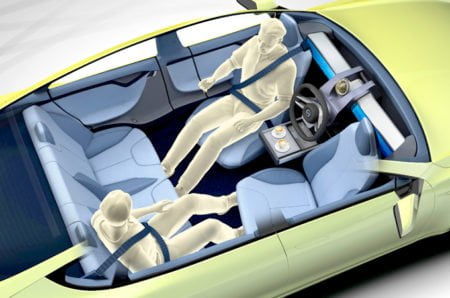
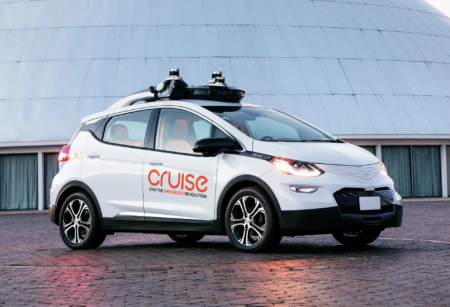
In logistics, autonomous vehicles (trucks, drones, forklifts) are beginning to revolutionize transportation and warehousing. Automated storage and retrieval systems (AS/RS) and picking robots in fulfillment centers, exemplified by Amazon’s highly automated warehouses, drastically increase speed and efficiency. The impact here is a reduction in demand for manual labor for repetitive tasks, but a surge in demand for roles involving system design, maintenance, data analysis, and advanced logistics management.
White-Collar Transformation: From Back Office to Front Line
The impact of automation is far from limited to blue-collar jobs. White-collar professions are experiencing significant transformation through software automation:
- Finance and Accounting: RPA bots automate tasks like data entry, reconciliation, fraud detection, and report generation. AI algorithms are used for high-frequency trading, risk assessment, and personalized financial advice. This frees up human accountants and financial analysts to focus on strategic planning, complex problem-solving, and client relationship management.
- Legal Services: AI tools can review vast amounts of legal documents, perform e-discovery, predict case outcomes, and assist in contract analysis far faster than human paralegals. This allows lawyers to dedicate more time to nuanced legal strategy, client advocacy, and courtroom presence.
- Human Resources: Automation streamlines recruitment (resume screening, initial outreach), onboarding, payroll processing, and benefits administration. AI can also analyze employee sentiment and identify retention risks, empowering HR professionals to focus on culture building, talent development, and complex employee relations.
- Customer Service: AI-powered chatbots and virtual assistants handle routine inquiries, provide instant support, and guide customers through common issues. This offloads the burden from human agents, allowing them to focus on complex, emotionally charged, or highly personalized customer interactions.
- Software Development: Generative AI models assist with code generation, debugging, testing, and even translating code between languages. This doesn’t eliminate developers but elevates their role to architects, problem solvers, and reviewers, enabling them to build more complex and innovative solutions faster.
Healthcare & Education: Personalization and Precision
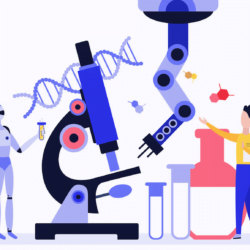
In healthcare, AI is a game-changer for diagnostics (e.g., IBM Watson Health), drug discovery, personalized treatment plans, and predictive analytics for disease outbreaks. Robotic surgery assistants enhance precision and minimize invasiveness. While direct patient care still heavily relies on human compassion and expertise, administrative tasks, scheduling, and even some aspects of patient monitoring are being automated, allowing healthcare professionals to focus more on direct patient interaction.
Education is also seeing the rise of AI-powered personalized learning platforms that adapt to individual student paces and styles. AI tutors can provide instant feedback, and automated grading systems can handle objective assessments. Educators can then pivot towards mentorship, fostering critical thinking, facilitating collaborative projects, and addressing the social-emotional needs of students—roles that require profound human connection and insight.
Creative & Service Sectors: New Tools for Expression and Efficiency
Even traditionally human-centric fields like the creative arts and hospitality are being impacted. Generative AI tools can create music, art, and written content, serving as powerful assistants for artists, writers, and marketers. While the human touch remains paramount for originality, emotional depth, and narrative, these tools accelerate the creative process. In hospitality, automated check-in kiosks, robotic room service, and cleaning robots are optimizing operations, allowing human staff to focus on delivering personalized guest experiences and managing complex situations.
Navigating the Transition: Strategies for Workers and Businesses
The transition to an automated economy is not a passive event; it demands proactive strategies from individuals, businesses, and governments alike. Ignoring these shifts risks widening inequalities and hindering societal progress.
Lifelong Learning & Reskilling: The New Constant
For individuals, the most critical strategy is to embrace lifelong learning. The skills gained in a traditional education are no longer sufficient for an entire career. Instead, continuous learning, reskilling (acquiring entirely new skill sets), and upskilling (enhancing existing skills) must become a constant. This means:
- Leveraging Online Platforms: MOOCs (Massive Open Online Courses) from platforms like Coursera, edX, and Udacity offer accessible, flexible ways to learn new technical skills (e.g., data science, AI fundamentals) and soft skills.
- Corporate Training Programs: Forward-thinking companies are investing heavily in internal reskilling initiatives, recognizing that it’s often more cost-effective to retrain existing employees than to hire entirely new talent.
- Government Initiatives: Public-private partnerships are crucial for developing large-scale training programs, particularly for workers displaced from industries heavily impacted by automation.
- Focusing on “Human” Skills: Prioritizing development in areas like creativity, critical thinking, emotional intelligence, and complex communication, which are inherently difficult for machines to replicate.
The goal is not just to acquire new technical proficiencies, but to cultivate adaptability, intellectual curiosity, and a growth mindset.
Fostering Human-Centric Skills: The Irreplaceable Edge
As machines excel at logic and efficiency, the value of uniquely human attributes skyrockets. Businesses and educational institutions must actively foster these skills:
- Empathy and Compassion: Essential for customer service, healthcare, education, and leadership.
- Ethical Reasoning and Judgment: Navigating complex moral dilemmas, especially in the context of AI deployment.
- Complex Communication and Storytelling: Articulating visions, motivating teams, and building relationships.
- Creativity and Innovation: Generating novel solutions and artistic expressions.
- Leadership and Teamwork: Orchestrating human and AI collaboration effectively.
These are the skills that will provide the “irreplaceable edge” in an automated world, enabling humans to perform tasks that require nuance, emotional depth, and contextual understanding.
Policy & Social Safety Nets: A Collective Responsibility
Governments have a critical role to play in mitigating the negative social impacts of automation and ensuring a just transition:
- Reforming Education Systems: Shifting curricula to emphasize critical thinking, digital literacy, and human-centric skills from early childhood through higher education.
- Strengthening Social Safety Nets: Exploring concepts like Universal Basic Income (UBI) or robust unemployment benefits coupled with re-employment services to support those in transition.
- Investing in Infrastructure: Broadband access, digital literacy programs, and vocational training facilities are essential for enabling participation in the new economy.
- Facilitating Labor Market Flexibility: Policies that support agile work arrangements, protect gig workers, and make it easier for individuals to transition between roles and industries.
These interventions are not just about protecting workers; they are about maintaining social cohesion and ensuring that the benefits of automation are broadly shared.
Ethical AI Development and Deployment: Building Trust
For businesses, preparing for the automated future isn’t just about adopting technology; it’s about adopting it responsibly. This includes:
- Prioritizing Human Oversight: Ensuring that critical decisions are not fully delegated to AI without human review.
- Mitigating Bias: Actively working to identify and eliminate biases in AI algorithms and data sets to ensure fair and equitable outcomes.
- Transparency and Explainability: Designing AI systems that can explain their reasoning, fostering trust and accountability.
- Worker Engagement: Involving employees in the process of automation planning and implementation, addressing concerns, and providing training for new roles.
Companies that approach automation with an ethical, human-centered mindset will not only build stronger workforces but also gain a competitive advantage in an increasingly trust-sensitive marketplace.
The Economic and Societal Ripple Effects
The transformation driven by automation extends beyond individual jobs to reshape entire economic structures and societal norms. Understanding these broader implications is crucial for navigating the future.
Productivity Gains and Economic Growth: A New Era of Abundance?
One of the most compelling arguments for automation is its potential to unlock unprecedented levels of productivity. By automating repetitive tasks, reducing errors, and operating 24/7, AI and robotics can dramatically increase output and efficiency across industries. This boost in productivity can lead to lower costs for goods and services, higher profits for businesses, and potentially, increased wages for workers whose productivity is augmented by technology. Some economists predict that this new wave of automation could lead to a significant acceleration in economic growth, creating new wealth and raising living standards globally.
However, realizing this potential requires effective distribution mechanisms. If productivity gains are concentrated solely at the top, the benefits may not trickle down to the broader population, leading to other societal challenges.
The Risk of Increased Inequality: Bridging the Divide
While automation can create wealth, it also poses a significant risk of exacerbating economic inequality. Workers whose skills are easily automated or who lack access to reskilling opportunities may find themselves falling behind, while those with in-demand technical and human-centric skills may see their wages rise. This could lead to a widening gap between the “haves” and “have-nots” in the automated economy. Policymakers and businesses must actively work to bridge this divide through inclusive education, targeted retraining programs, and potentially, new models of wealth distribution or social safety nets like Universal Basic Income (UBI) to ensure that the benefits of automation are shared more equitably across society.
The Evolving Nature of Work-Life Balance: More Meaningful Work?
As automation takes over mundane and repetitive tasks, there’s a potential for humans to engage in more creative, strategic, and fulfilling work. This could lead to a reimagining of the traditional workweek, potentially reducing working hours, increasing flexibility, and allowing individuals more time for leisure, personal development, and community engagement. The focus might shift from “hours worked” to “value created,” fostering a healthier work-life balance and a more human-centered approach to employment. However, this positive outcome is not guaranteed; without thoughtful planning, automation could also lead to increased work intensity for those managing complex automated systems or a proliferation of precarious gig work.
Global Implications: The Automation Race and Developing Economies
The impact of automation is not uniform across the globe. Developed economies with higher labor costs and advanced technological infrastructure are often at the forefront of automation adoption. This can create a “robotics race” as countries compete for technological leadership and productivity gains. For developing economies, automation presents both challenges and opportunities. On one hand, it could erode the competitive advantage of low-wage manufacturing, potentially disrupting traditional pathways to industrialization. On the other hand, it offers the chance to leapfrog older technologies, adopt advanced systems, and build highly efficient, sustainable industries from the ground up, provided they invest in the necessary infrastructure and human capital.
A Glimpse into the Automated Tomorrow
Looking ahead, the future of work will likely be characterized by an increasingly symbiotic relationship between humans and intelligent machines, fundamentally altering how we perceive careers, education, and societal organization.
Human-AI Collaboration as the Norm: The Co-Pilot Era
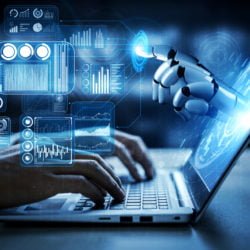
The most defining characteristic of future workplaces will be the seamless integration of human and AI intelligence. AI will serve as an ubiquitous co-pilot, assisting in everything from scheduling and data analysis to creative brainstorming and complex decision support. Imagine a marketing professional collaborating with an AI to generate diverse campaign concepts and analyze market sentiment instantly; or a doctor using an AI assistant to synthesize patient data and suggest treatment pathways. These collaborative models will not only boost productivity but also enable humans to tackle more ambitious and complex problems that were previously beyond reach. The focus will shift from “man vs. machine” to “man + machine,” where each leverages its unique strengths.
The Rise of the “Portfolio Career”: Agility and Adaptability
The traditional linear career path, moving up a single corporate ladder, is already giving way to more dynamic “portfolio careers.” In an automated future, this trend will accelerate. Individuals may work on multiple projects concurrently, switch roles or industries more frequently, and blend full-time employment with freelance or entrepreneurial ventures. The emphasis will be on skills and capabilities rather than fixed job titles. This requires individuals to be highly adaptable, continuously learning, and adept at managing their own personal “brand” and professional network. Educational systems will need to prepare individuals not for a single career, but for a lifetime of evolving roles.
Rethinking Education from the Ground Up: Cultivating Future-Ready Minds
The demands of an automated world necessitate a radical rethinking of education. The focus will shift away from rote memorization and standardized testing towards cultivating critical thinking, creativity, digital fluency, and emotional intelligence from an early age. Personalized learning pathways, immersive experiences, and project-based learning will become standard. The curriculum will integrate ethical AI considerations, data literacy, and collaborative problem-solving. The goal will be to equip individuals not just with knowledge, but with the capacity for continuous learning, resilience, and the uniquely human skills needed to thrive in a constantly evolving technological landscape. Universities and vocational schools will become hubs for continuous reskilling and upskilling, serving as lifelong learning partners for individuals throughout their careers.