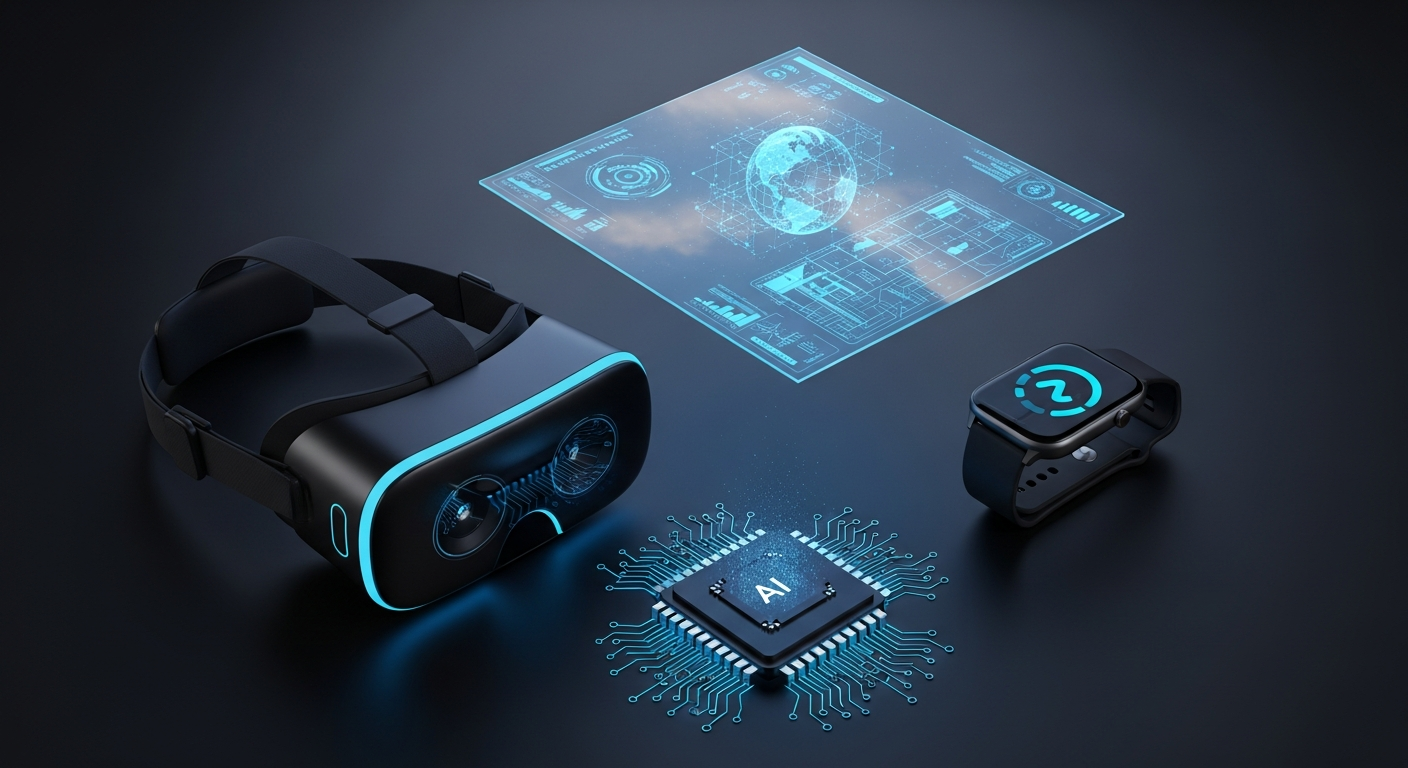
The Augmented Reality Divide: Productivity vs. Consumer AR Glasses Compared
The importance of this technology lies in its ability to dissolve the barrier between our physical environment and our digital data. Unlike Virtual Reality (VR), which isolates the user in a synthetic world, AR enhances the real world by overlaying contextually relevant information directly onto our field of vision. This “spatial computing” paradigm allows us to interact with data using natural gestures, eye movements, and voice commands. As we move deeper into this era of pervasive computing, understanding the nuances between productivity-focused hardware and consumer-grade wearables is essential for anyone looking to navigate the future of tech. Whether it is a surgeon viewing a 3D heart overlay during an operation or a commuter receiving real-time navigation cues on a city street, AR is fundamentally altering our perception of reality.
The Architecture of Vision: How Modern AR Glasses Function
To understand the difference between productivity and consumer AR, one must first grasp the underlying technology. Modern AR glasses rely on a sophisticated stack of hardware and software designed to trick the human eye into perceiving digital objects as part of the physical world. At the heart of this are the optics. Most high-end glasses today utilize waveguide technology—thin layers of glass or plastic that use internal reflection to “steer” light from a projector (usually Micro-LED or Micro-OLED) into the user’s pupils.
The “brain” of these devices involves a combination of high-performance mobile processors and specialized AI co-processors. These chips handle SLAM (Simultaneous Localization and Mapping), which is the process by which the glasses understand their position in space and the geometry of the room. This ensures that a digital cup placed on a real table stays there, even as the user moves around. Furthermore, advanced sensors including LiDAR, depth cameras, and IR illuminators allow for hand-tracking and eye-tracking, removing the need for traditional controllers.
The distinction between productivity and consumer models often begins here: productivity models frequently prioritize a wider Field of View (FOV) and higher pixel density to allow for readable text, while consumer models prioritize “transparency” and a form factor that looks like traditional eyewear, often sacrificing FOV for the sake of aesthetics and battery efficiency.
The Virtual Office: Redefining Productivity with Spatial Computing
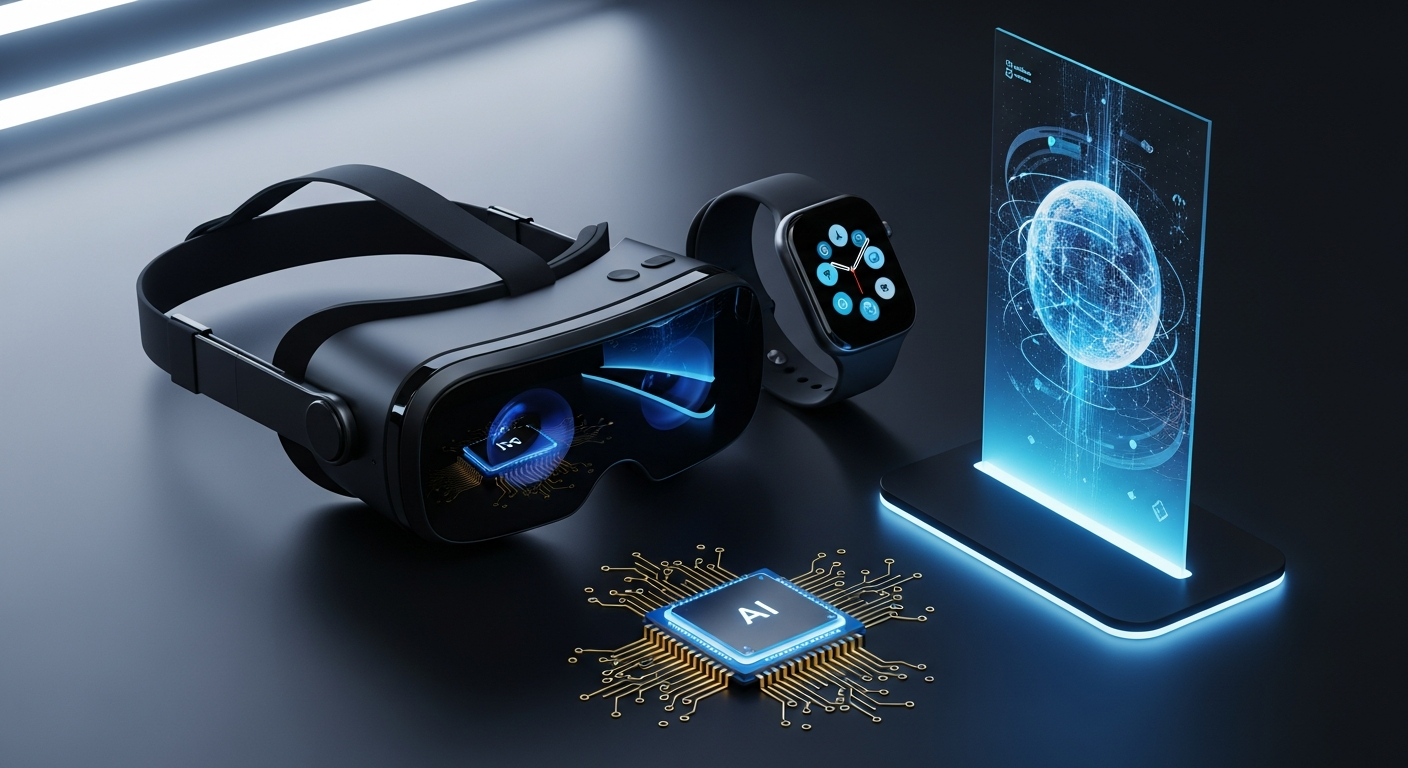
In the professional sphere, AR glasses are being positioned as the ultimate “force multiplier.” The primary application in this sector is the creation of an infinite, portable workspace. Instead of being tethered to three physical monitors on a desk, a professional can don a pair of AR glasses and manifest five virtual, high-resolution displays anywhere—in a coffee shop, on a plane, or in a home office. This spatial productivity allows for multitasking that was previously impossible, with “windows” pinned to specific locations in the physical air.
Beyond simple screen mirroring, productivity AR is transforming specialized industries:
* **Manufacturing and Maintenance:** Technicians use AR to see “digital twins” of complex machinery. When a part fails, the glasses can overlay a step-by-step 3D repair guide, highlighting exactly which bolt to turn. This “expert-on-demand” capability allows junior technicians to perform complex tasks with remote guidance from a specialist who sees what they see in real-time.
* **Healthcare:** Surgeons are utilizing AR to overlay MRI and CT data directly onto a patient’s body during surgery. This provides a “X-ray vision” effect, allowing for more precise incisions and reducing the risk of complications.
* **Architecture and Design:** Architects can walk through a full-scale 3D model of a building on an empty lot before ground is even broken. They can move walls, change materials, and see how natural light will hit the space at different times of day, all through their lenses.
For these users, the weight and bulk of the headset are secondary to the performance. These devices often feature active cooling and larger batteries, as they are intended for 8-hour workdays rather than 15-minute bursts of use.
The Consumer Lifestyle: From Digital Fashion to Immersive Navigation
While the productivity side focuses on “output,” the consumer side of AR is focused on “experience” and “integration.” The goal for consumer AR glasses is to replace the smartphone screen for common, everyday tasks, making digital interaction more “heads-up” and less “heads-down.”
Consumer applications are currently centering on lifestyle enhancement:
* **Heads-Up Navigation:** Instead of looking down at a phone map while walking or cycling, AR glasses overlay a glowing blue line on the actual pavement, showing exactly where to turn. This increases safety and allows the user to stay present in their surroundings.
* **Real-Time Translation:** In a globalized world, AR glasses are breaking down language barriers. Using on-device AI, the glasses can listen to someone speaking a foreign language and display translated subtitles in the user’s line of sight, or even “paint over” foreign street signs with the user’s native language.
* **Social and Contextual Awareness:** Imagine walking into a networking event and seeing small, hovering “tags” above people’s heads (with their permission) indicating their name and profession. Or, when shopping, seeing a product’s price history and reviews simply by looking at the box on the shelf.
* **Entertainment and Gaming:** Consumer AR brings gaming into the living room. Instead of a flat screen, the game environment can utilize the furniture; a digital character might hide behind your actual sofa or jump off your coffee table.
For the consumer, the most important “feature” is often the design. If the glasses look too “techy” or intimidating, social friction prevents widespread adoption. Therefore, consumer AR focuses on sleek frames, lightweight materials, and “all-day wearability.”
Comparing the Hardware: Performance vs. Aesthetics
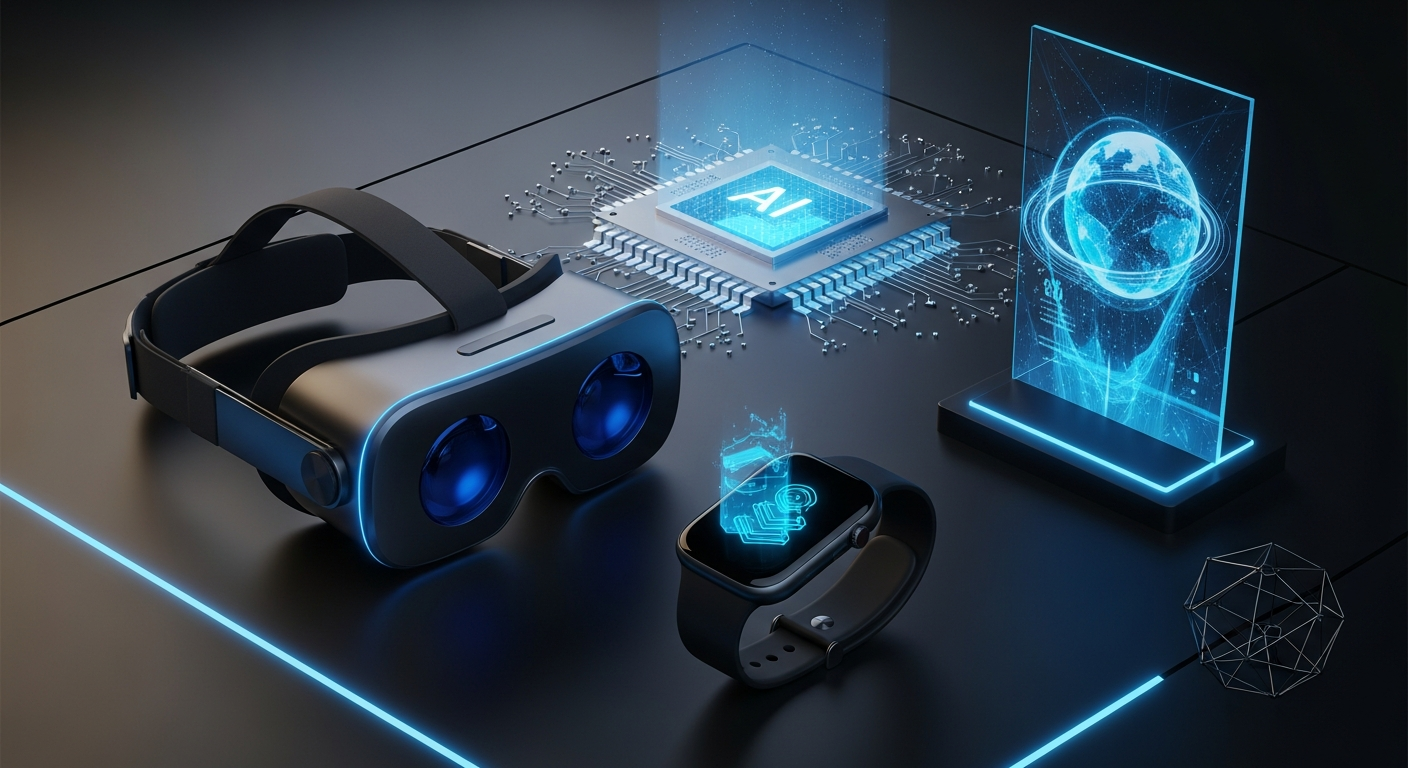
The divergence between these two categories is most visible when looking at the hardware specifications. Productivity AR glasses are often “thick-rimmed” or even visor-like, as they require more cameras for high-precision tracking and more processing power for complex 3D rendering. They frequently utilize “tethers”—a cable running to a dedicated compute pack or a powerful smartphone—to offload the heat and weight from the head.
Consumer AR, conversely, is pushing toward the “North Star” of the industry: glasses that are indistinguishable from a pair of Ray-Bans. To achieve this, manufacturers often use “assisted reality” instead of full “augmented reality.” This might mean a smaller, monocular display in the corner of the eye rather than a full stereoscopic 3D overlay.
**Battery life** is another major point of contention. Productivity users are generally okay with a 4-hour battery life if the device is “hot-swappable” or can be plugged in. Consumer users, however, demand a device that lasts a full day on a single charge. This has led to the rise of “smart frames” that lack a display entirely but use speakers and cameras for AI interaction, acting as a bridge until display technology becomes more efficient.
**Field of View (FOV)** is the final battleground. Productivity sets strive for a 70-degree to 90-degree FOV to allow for immersive 3D work. Consumer models often settle for 30 to 40 degrees, which is sufficient for notifications and simple navigation but creates a “window” effect where digital objects disappear if the user moves their head too far.
Societal Impacts: Privacy, Etiquette, and the New Normal
As AR glasses become more prevalent, they bring a host of societal challenges that differ between the office and the street. In a productivity context, the primary concern is data security. If a worker is viewing sensitive corporate data on a virtual screen, how do we ensure that a bystander or a “shoulder surfer” can’t see it? Modern AR solves this through directional displays that are only visible to the wearer, providing a level of privacy that physical monitors cannot match.
In the consumer world, the concerns are more focused on interpersonal privacy. “Always-on” cameras in public spaces raise questions about consent. We are seeing the emergence of new social etiquettes—such as a physical “recording” light that cannot be disabled by software, or “AR-free zones” in restaurants and theaters.
Furthermore, there is the risk of “digital isolation.” While AR is intended to connect us to our environment, there is a fear that users might become too engrossed in their private digital overlays, ignoring the people physically present with them. The challenge for developers in the coming years will be to create “socially transparent” AR that enhances human connection rather than obstructing it.
Software Ecosystems: The Glue That Binds the Hardware
The hardware is only as good as the software ecosystem supporting it. For productivity, the winners will be those who integrate seamlessly with existing enterprise tools. Compatibility with CAD software, office suites, and collaborative platforms like Slack or Teams is non-negotiable. We are seeing the rise of “Spatial OS” layers that allow traditional 2D apps to exist alongside 3D spatial apps.
In the consumer space, the battle is over “Contextual AI.” The most successful consumer AR glasses will be those that don’t wait for a command but rather anticipate what the user needs. If the glasses see you looking at a recipe in the kitchen, they should automatically overlay a timer. If they see you at a bus stop, they should show the arrival time of the next bus. This requires a massive amount of real-time data processing and a robust cloud infrastructure.
App stores for AR are also evolving. We are moving away from the “download and launch” model toward “persistent layers.” You might “subscribe” to a hiking layer that adds trail markers to every mountain you climb, or a “history layer” that shows what city streets looked like 100 years ago as you walk through them.