Navigating the AI Tsunami: Understanding Which Jobs Are Truly at Risk from AI in 2026 and Beyond

Affiliate disclosure: This article may contain affiliate links. Recommendations are independent and editorially driven.

The dawn of 2026 finds the global workforce at an unprecedented inflection point. Artificial Intelligence (AI), once a realm of science fiction, has rapidly matured into a pervasive force, reshaping industries, redefining job roles, and sparking widespread discussion about the future of human employment. The burning question on many minds, from entry-level workers to C-suite executives, is increasingly urgent: which jobs at risk from AI are truly on the chopping block, and how can we prepare for this seismic shift?

At futureinsights, we’ve been tracking the trajectory of AI’s integration into the economy for years. What’s clear is that the narrative is far more nuanced than simple replacement. While certain job functions are undeniably susceptible to automation and displacement, AI also presents immense opportunities for augmentation, the creation of entirely new roles, and a profound transformation of how work is conceived and executed. This comprehensive analysis delves deep into the mechanisms of AI’s impact, identifies specific sectors and roles under pressure, distinguishes between true displacement and mere transformation, and outlines proactive strategies for individual and organizational resilience.

Understanding the precise nature of these risks is not about fostering fear, but about empowering foresight. By dissecting the characteristics that make certain jobs vulnerable, we can better equip ourselves and our institutions to navigate the impending changes, harnessing AI’s potential while mitigating its disruptive force. This isn’t merely a technological challenge; it’s a societal one, demanding thoughtful consideration, strategic adaptation, and a renewed commitment to lifelong learning.

The AI Revolution: A Paradigm Shift in the Workforce

The current wave of AI development is not just another technological advancement; it represents a fundamental paradigm shift in the nature of work itself. Unlike previous innovations that augmented human physical strength or information processing capabilities, modern AI is encroaching upon cognitive domains once thought exclusive to humans. This evolution has profound implications for every sector, from manufacturing to creative industries.

Defining AI and its Current Capabilities

At its core, Artificial Intelligence refers to the ability of machines to perform tasks that typically require human intelligence. This encompasses a broad spectrum of capabilities, including learning, reasoning, problem-solving, perception, and language understanding. In 2026, the most impactful forms of AI are largely driven by advancements in machine learning (ML) and deep learning (DL). These subfields have enabled AI systems to:

  • Process and analyze vast datasets: AI can identify patterns, correlations, and anomalies in data at speeds and scales impossible for humans.
  • Automate repetitive tasks: From data entry to assembly line operations, AI-powered robotics and software can perform predictable, rule-based actions tirelessly and with high precision.
  • Understand and generate natural language: Large Language Models (LLMs) like those powering generative AI tools can comprehend human language, summarize texts, translate, and even create original content, code, and communication.
  • Perceive and interpret the physical world: Computer vision allows AI to “see” and understand images and videos, crucial for autonomous vehicles, quality control, and surveillance.
  • Make complex decisions: AI algorithms can optimize logistics, predict market trends, diagnose medical conditions, and route customer inquiries based on intricate decision trees and probability models.

These capabilities, rapidly maturing and becoming more accessible, are the engine behind the growing list of jobs at risk from AI, as they enable machines to perform tasks previously thought to require human intellect or dexterity.

Historical Parallels: Lessons from Past Technological Revolutions

To understand the present, it’s often useful to look to the past. History is replete with examples of technological advancements disrupting the workforce. The Industrial Revolution, for instance, saw the mechanization of agriculture and textile production, leading to mass displacement of farm laborers and artisans. The advent of personal computers and the internet later automated countless clerical tasks, rendering typists and switchboard operators largely obsolete.

In each instance, initial fears of widespread, permanent unemployment were eventually tempered by the creation of new industries, new job roles, and a general elevation of living standards. However, these transitions were rarely smooth, often marked by significant social unrest, economic dislocation, and the painful necessity of adaptation for affected individuals. The key lesson is that while technology creates and destroys jobs, the net effect on employment has historically been positive, albeit with significant short-term upheaval and a redistribution of labor demands. The current AI revolution shares these characteristics, but its pace and pervasive cognitive impact suggest an even more profound, rapid transformation.

The Urgency of Understanding AI’s Impact Today

What differentiates the current AI revolution from past technological shifts is its unprecedented speed and its ability to impact not just manual labor, but also cognitive and creative tasks. The rapid advancements in generative AI, machine learning, and robotics mean that what was considered safe from automation just a few years ago is now firmly within AI’s grasp. This accelerated pace demands immediate attention and proactive strategies.

Ignoring these trends is not an option. For individuals, understanding which skills are becoming redundant and which are gaining value is crucial for career longevity. For businesses, adapting to an AI-augmented workforce is essential for maintaining competitiveness and fostering innovation. For governments and educational institutions, preparing the next generation for a radically altered job market is a critical societal imperative. The conversation about jobs at risk from AI is no longer theoretical; it’s an immediate, practical concern for 2026 and the decade to come.

Identifying the Vulnerable: Key Characteristics of Jobs at Risk from AI

To accurately identify which jobs are most vulnerable to AI displacement or significant alteration, it’s essential to look beyond job titles and examine the fundamental nature of the tasks involved. AI excels in specific areas, and understanding these strengths allows us to predict where its impact will be most keenly felt.

[INLINE IMAGE 1: place after second H2 | alt=”jobs at risk from ai concept illustration”]

Repetitive, Rule-Based Tasks

Perhaps the most obvious category of tasks susceptible to AI automation involves those that are highly repetitive and follow clear, predictable rules. Whether physical or digital, if a task can be broken down into a series of logical steps that don’t require intuition, creativity, or complex problem-solving in ambiguous situations, AI or robotic process automation (RPA) can likely perform it more efficiently, accurately, and tirelessly than a human. This includes:

  • Data entry and processing: Inputting information, transcribing documents, or transferring data between systems.
  • Assembly line work: Performing the same precise movements repeatedly to assemble products.
  • Basic administrative tasks: Scheduling appointments, sending standardized emails, organizing digital files.
  • Routine quality control: Identifying defects based on predefined criteria.

These are the low-hanging fruit for automation, and the impact in these areas is already significant, continuing to accelerate.

Low-Complexity Cognitive Labor

Beyond simple repetition, AI is increasingly capable of handling cognitive tasks that, while requiring some level of thought, are ultimately low in complexity and can be systematized. This means tasks that involve:

  • Information retrieval and summarization: Sifting through large documents or databases to find specific information or provide concise summaries.
  • Basic customer service inquiries: Answering frequently asked questions (FAQs), guiding users through troubleshooting steps, or processing simple transactions.
  • Simple content generation: Creating basic reports, standard marketing copy, or news summaries based on factual inputs.
  • Routine legal or financial document review: Identifying specific clauses or patterns in contracts or financial statements.

While these tasks require “thinking,” they often involve pattern recognition and logical application of rules that AI algorithms are exceptionally good at. Human intuition, empathy, and nuanced judgment are less critical here, making these among the jobs at risk from AI that are seeing the most immediate changes.

Data-Intensive Operations

AI’s strength in processing and analyzing vast quantities of data is a double-edged sword for many data-intensive roles. While it empowers new insights, it also automates many of the manual processes historically performed by human analysts. Tasks that involve:

  • Extracting, cleaning, and transforming data: Preparing raw data for analysis.
  • Generating standard reports and dashboards: Creating visualizations and summaries from structured data.
  • Predictive analytics based on established models: Forecasting trends using algorithms once set up by data scientists.
  • Fraud detection and risk assessment: Identifying suspicious patterns in financial transactions or insurance claims.

Professionals in these fields will find their roles shifting from manual data manipulation to overseeing AI systems, interpreting results, and developing more sophisticated models.

Physical Labor in Predictable Environments

Robotics, often powered by AI, are making significant inroads into physical labor, particularly in environments that are structured and predictable. This applies to tasks involving:

  • Warehousing and logistics: Picking, packing, sorting, and moving goods within a defined space.
  • Manufacturing and assembly: Performing precise, heavy, or dangerous tasks on production lines.
  • Cleaning and maintenance: Operating autonomous floor scrubbers or security robots in commercial spaces.
  • Agriculture: Harvesting crops, monitoring fields, and performing routine farm maintenance.

As robotic dexterity and sensor technology improve, the scope of physical tasks that can be automated continues to expand, impacting a wide range of blue-collar jobs at risk from AI and robotics.

Sectors Feeling the Heat: Specific Industries Facing Significant Disruption

While the characteristics above highlight susceptible tasks, it’s equally important to examine entire industries where these tasks are prevalent. Understanding the sectoral impact provides a clearer picture of the broader economic shifts underway.

Manufacturing and Production: The Rise of Smart Automation

Manufacturing has been at the forefront of automation for decades, but AI is accelerating this trend. Industrial robots, once limited to highly structured tasks, are becoming more adaptable thanks to AI. They can now learn new tasks from demonstration, work collaboratively with humans, and perform complex quality control using computer vision.

  • Assembly Line Workers: While humans still perform intricate assembly, AI-driven robots are taking over more precise, repetitive, or strenuous tasks.
  • Quality Control Inspectors: AI vision systems can detect microscopic flaws faster and more consistently than the human eye.
  • Machine Operators: AI optimizes machine performance, scheduling maintenance, and adjusting parameters autonomously, reducing the need for constant human oversight.
  • Logistics Coordinators within Factories: AI optimizes internal material flow and inventory management.

The human role is shifting from direct production to oversight, maintenance of complex AI systems, and higher-level design and engineering.

Transportation and Logistics: Autonomous Systems Taking the Wheel

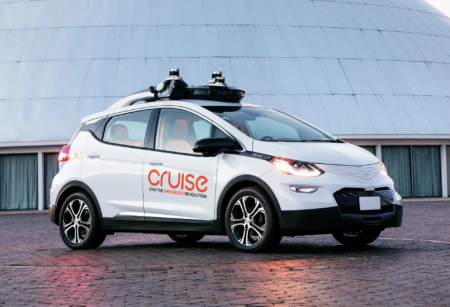
The vision of self-driving vehicles has been a significant driver of AI development, and its practical application is increasingly evident in commercial sectors. This has profound implications for a massive workforce globally.

  • Truck Drivers: Long-haul trucking is particularly vulnerable as autonomous trucks can operate 24/7 without rest breaks.
  • Taxi and Ride-Share Drivers: While human drivers still hold an edge in complex urban environments, fully autonomous ride-share fleets are expanding.
  • Delivery Drivers: Drones and autonomous ground vehicles are being piloted for last-mile delivery.
  • Warehouse Workers (Pickers, Packers): AI-powered robots are transforming warehouses, from giant Amazon facilities to smaller distribution centers.
  • Forklift Operators: Autonomous forklifts navigate warehouses with precision, reducing labor costs and improving safety.

While regulation and infrastructure remain hurdles, the economic incentives for automation in this sector are enormous, marking a significant portion of jobs at risk from AI.

Customer Service and Support: AI-Powered Bots and Virtual Assistants

This sector is experiencing a massive overhaul as AI-driven chatbots and virtual assistants become more sophisticated. Many routine customer inquiries, tech support issues, and sales processes can now be handled entirely by AI.

  • Call Center Representatives: AI answers FAQs, routes calls, and provides initial support, leaving complex or empathetic interactions for human agents.
  • Help Desk Technicians (Tier 1): AI can resolve many common IT issues, password resets, and software troubleshooting steps.
  • Telemarketers: AI can personalize outreach, optimize call times, and even conduct basic sales pitches more efficiently.
  • Customer Onboarding Specialists (for routine tasks): AI guides new users through setup processes and basic training.

Human agents are increasingly focusing on high-value, emotionally complex, or unique customer issues, requiring enhanced soft skills and problem-solving abilities.

Accounting, Finance, and Legal Support: Automating Data Entry and Analysis

These professions, often seen as knowledge-worker domains, are highly data-intensive and rule-based, making them ripe for AI automation.

  • Bookkeepers and Data Entry Clerks: AI can automate invoice processing, reconciliation, and ledger maintenance.
  • Auditors (for routine checks): AI can sift through financial records to identify anomalies and potential fraud far faster than human auditors.
  • Financial Analysts (for basic reporting): AI generates routine reports, market summaries, and portfolio performance analyses.
  • Paralegals (for document review and research): AI can rapidly review contracts, legal precedents, and discovery documents.
  • Compliance Officers (for routine monitoring): AI tracks regulatory changes and flags potential non-compliance.

The human roles will evolve towards higher-level strategic advice, complex problem-solving, ethical oversight, and client relationship management, leveraging AI as a powerful tool rather than being replaced by it entirely. This transformation is not about eliminating these professions but fundamentally changing their daily operations.

Learn more about AI’s impact on white-collar professions.

Administrative and Office Support: Streamlining Back-Office Operations

Many foundational office roles involve repetitive scheduling, communication, and document management tasks that are increasingly being absorbed by AI-powered tools.

  • Administrative Assistants (for routine tasks): AI schedules meetings, manages emails, and organizes digital files.
  • Receptionists (for basic queries): AI chatbots and virtual assistants handle initial inquiries and direct visitors.
  • Secretaries: Dictation software and AI-driven transcription services reduce the need for manual typing.
  • Office Managers (for supply ordering/inventory): AI optimizes inventory management and automated reordering.

The remaining human administrative roles will focus more on interpersonal coordination, complex problem-solving, and providing personalized support that AI cannot yet replicate.

Journalism and Content Creation (Specific aspects): AI-Generated Drafts and Summaries

While creative fields might seem safe, certain aspects of content creation are highly susceptible to AI, particularly those that are data-driven or follow predictable formats.

  • Sports Reporters (for game summaries): AI can generate factual reports on sports outcomes, complete with statistics.
  • Financial News Writers: AI can draft reports on market movements, company earnings, and economic indicators.
  • Copywriters (for basic product descriptions, ad copy): Generative AI can produce variations of marketing text quickly.
  • Content Curators (for aggregation): AI identifies and summarizes relevant news articles or social media trends.

Human journalists and content creators will need to focus on investigative reporting, nuanced storytelling, opinion pieces, and content that requires deep empathy, cultural understanding, or genuine human connection. The shift is towards higher-value, unique, and truly creative outputs.

Beyond Replacement: The Nuance of AI-Augmentation and Transformation

jobs at risk from ai - infographic 4 illustration

While the focus on jobs at risk from AI is critical, it’s equally important to understand that AI’s impact is not solely about displacement. A significant portion of its influence lies in augmentation and transformation, where AI doesn’t replace humans but rather enhances their capabilities or fundamentally changes their roles. This is where the narrative shifts from fear to opportunity.

[INLINE IMAGE 2: place after fourth H2 | alt=”jobs at risk from ai comparison illustration”]

AI as a Co-Pilot: Enhancing Human Capabilities

For many professions, AI will not be a competitor but a powerful co-pilot, a tool that amplifies human efficiency and effectiveness. Imagine an AI system that:

  • Assists doctors: AI can analyze medical images for subtle signs of disease, cross-reference patient symptoms with vast databases of medical literature, and suggest treatment options, all while the human doctor retains final diagnostic and treatment authority, focusing on patient interaction and complex cases.
  • Empowers architects and engineers: Generative design AI can explore thousands of design variations for structures or products based on specified parameters, optimizing for cost, material, and performance, allowing humans to focus on conceptual design and aesthetic appeal.
  • Supports lawyers: AI can review millions of legal documents for relevance, identify key precedents, and predict litigation outcomes, freeing up lawyers to concentrate on courtroom strategy, negotiation, and client relationships.
  • Boosts software developers: AI code assistants write boilerplate code, debug errors, and suggest improvements, enabling developers to build more complex applications faster and focus on architectural design and innovative features.

In these scenarios, AI handles the data-intensive, repetitive, or computationally heavy lifting, allowing humans to leverage their unique strengths: creativity, critical thinking, empathy, and complex ethical judgment.

Redefining Roles: From Execution to Oversight and Strategy

As AI takes over more routine tasks, human roles will naturally shift up the value chain. Instead of executing mundane operations, people will increasingly be responsible for:

  • Oversight and Supervision: Managing and monitoring AI systems, ensuring they operate correctly, ethically, and in line with organizational goals. This includes identifying biases in AI algorithms and troubleshooting failures.
  • Strategy and Innovation: Developing new strategies that leverage AI, identifying novel applications, and finding innovative ways to solve business problems that AI alone cannot.
  • Complex Problem-Solving: Tackling ambiguous, novel challenges that require human intuition, interdisciplinary knowledge, and creative solutions.
  • Human-Centric Functions: Focusing on roles that require deep interpersonal skills, emotional intelligence, negotiation, mentorship, and motivational leadership.
  • Training and Customizing AI: Providing the data, feedback, and expertise needed to train and adapt AI models for specific organizational needs.

This transformation means that while the specific tasks within a job might change drastically, the need for human input at a higher level of abstraction and complexity remains, often intensified. Many discussions around jobs at risk from AI often overlook this crucial evolutionary aspect.

The Creation of New Job Categories

Historically, every major technological revolution has not only displaced old jobs but also created entirely new ones. The internet, for instance, gave rise to web developers, SEO specialists, social media managers, and data scientists—roles that were unimaginable a few decades prior. AI is already following a similar trajectory, creating demand for:

  • AI Trainers/Annotators: Humans needed to label data and provide feedback to train AI models.
  • Prompt Engineers: Specialists who craft effective prompts for generative AI models to achieve desired outputs.
  • AI Ethicists and Governance Specialists: Professionals ensuring AI systems are developed and used responsibly, fairly, and legally.
  • Robot Technicians and Maintenance Engineers: Experts to install, maintain, and repair complex robotic systems.
  • AI UX/UI Designers: Designing intuitive interfaces for human interaction with AI systems.
  • AI Integration Specialists: Bridging the gap between AI capabilities and specific business needs, ensuring seamless deployment.
  • “Cyborg” Artisans and Creators: Artists, musicians, and writers who creatively leverage AI tools to push the boundaries of their respective fields.

The pace of this creation might not perfectly match the pace of displacement in the short term, leading to transitional challenges, but it underscores the dynamic nature of the job market in the age of AI. Identifying these nascent fields offers a pathway for those seeking to future-proof their careers.

Assessing the Risk: A Comparative Look at Job Vulnerability

Not all jobs are equally susceptible to AI’s influence. A nuanced understanding requires differentiating between high-risk and low-risk profiles, as well as recognizing the mitigating factors that can protect a role from full automation. This section provides a framework for assessing vulnerability.

High-Risk vs. Low-Risk Job Profiles

Based on the characteristics discussed earlier, we can broadly categorize job profiles into varying levels of AI vulnerability:

High-Risk Jobs (Highly Susceptible to Automation/Significant Transformation):

  • Roles primarily involving repetitive, rule-based physical or cognitive tasks.
  • Jobs focused on data entry, routine processing, or structured information retrieval.
  • Positions in highly predictable environments where tasks can be easily standardized.
  • Examples: Data entry clerks, telemarketers, many types of factory workers, truck drivers (long-haul), basic customer service representatives, routine bookkeepers.

Medium-Risk Jobs (Significant Augmentation, Partial Automation, or Role Redefinition):

  • Roles that combine repetitive tasks with some level of human judgment or interaction.
  • Professions that benefit greatly from AI tools but still require human oversight, interpretation, and strategic input.
  • Jobs where AI can handle analytical heavy lifting, but human creativity or emotional intelligence is crucial for final output.
  • Examples: Financial analysts (routine reporting), paralegals (document review), radiographers (image analysis), content writers (drafting, research), administrative assistants (scheduling), marketing specialists (data analysis).

Low-Risk Jobs (Relatively Safe from Full Automation, but will likely be AI-Enhanced):

  • Roles requiring high levels of creativity, abstract thinking, emotional intelligence, and complex problem-solving in ambiguous situations.
  • Professions centered on human-to-human interaction, empathy, and relationship building.
  • Jobs demanding high-level strategic decision-making, ethical judgment, and novel innovation.
  • Examples: Psychologists, artists, CEOs, research scientists, educators, nurses, human resource managers, policymakers, electricians, plumbers, specialized surgeons.

It’s important to reiterate that “low-risk” does not mean “AI-immune.” Even these roles will likely see AI tools integrated to assist and augment human capabilities, changing how the work is done, if not eliminating the role itself.

Factors Mitigating AI Risk

Several factors can significantly reduce a job’s vulnerability to AI displacement, making them more resilient in the evolving job market:

  1. High Human Interaction: Jobs requiring deep personal connection, empathy, motivation, and nuanced communication (e.g., therapists, teachers, sales executives building relationships).
  2. Complex Problem-Solving and Creativity: Roles that involve generating novel ideas, solving unstructured problems, or artistic expression (e.g., R&D scientists, artists, entrepreneurs).
  3. Manual Dexterity and Unstructured Environments: Tasks requiring fine motor skills, adaptability to unpredictable physical environments, or dealing with unique objects (e.g., specialized surgeons, chefs, carpenters, plumbers). While robotics is advancing, replicating human dexterity in chaotic environments remains a significant challenge.
  4. Strategic Decision-Making and Leadership: Roles that involve setting vision, making high-stakes strategic choices, and leading diverse teams (e.g., C-suite executives, government leaders).
  5. Ethical and Moral Judgment: Professions that deal with complex ethical dilemmas and require a human sense of justice, fairness, or compassion (e.g., judges, ethicists, social workers).
  6. Adaptability and Learning Agility: Individuals who can quickly learn new skills, adapt to new technologies, and pivot their career paths are inherently more resilient.

These are the domains where human comparative advantage over current AI remains strongest, making these roles less likely to be fully automated.

Explore strategies for cultivating future-proof skills.

Table: Comparative Job Vulnerability to AI in 2026
Job Category/Title AI Vulnerability Level Key AI Impact Mechanism Mitigating Factors / Future Focus
Long-Haul Truck Driver High Autonomous Vehicles (L4/L5) Human roles in fleet management, remote supervision, complex delivery scenarios.
Customer Service Rep (Tier 1) High AI Chatbots, Virtual Assistants, LLMs Focus on complex problem-solving, empathy, emotional intelligence, specialized support.
Data Entry Clerk High RPA, OCR, LLM-based data extraction Role largely absorbed; shift to data governance, AI oversight.
Bookkeeper High AI-powered accounting software, automated reconciliation Focus on financial analysis, strategic advice, compliance, complex tax issues.
Radiologist Medium-High AI image analysis for detection, diagnosis assistance Human for nuanced interpretation, patient consultation, complex/rare cases, interdisciplinary collaboration.
Paralegal (Document Review) Medium AI legal research, contract analysis tools Focus on legal strategy, client interaction, complex case management, ethical considerations.
Marketing Specialist (Content Creation) Medium Generative AI for ad copy, basic content drafts Focus on brand strategy, creative direction, emotional appeal, campaign management, human insights.
Software Developer (Basic Coding) Medium AI code generation, debugging, testing Focus on system architecture, complex problem-solving, innovative features, human-centric design, ethical AI.
Nurse (Clinical) Low AI for diagnostics, monitoring, administrative tasks High empathy, hands-on care, complex decision-making, emotional support, patient education.
Electrician Low Minimal direct impact from AI (yet) Requires fine motor skills, adaptability to varied environments, diagnostic troubleshooting, safety judgment.
Research Scientist Low AI for data analysis, hypothesis generation, simulation High creativity, critical thinking, experimental design, interpretation of novel findings, interdisciplinary collaboration.
Elementary School Teacher Low AI for personalized learning, administrative support High emotional intelligence, pedagogical skill, classroom management, inspiring students, fostering social development.

Preparing for the Future: Strategies for Workforce Resilience

jobs at risk from ai - chart 6 illustration

Given the inexorable march of AI, individuals, organizations, and governments must adopt proactive strategies to build a resilient workforce. This involves a multi-pronged approach that emphasizes continuous learning, adaptability, and a strategic embrace of human-centric skills.

Upskilling and Reskilling: The Imperative of Lifelong Learning

The single most critical strategy for individuals to navigate the AI era is a commitment to lifelong learning. The skills that are valuable today may be obsolete tomorrow, and new skills will constantly emerge. This imperative manifests in several ways:

  • Continuous Skill Acquisition: Regularly acquiring new technical skills (e.g., AI literacy, data analytics, cybersecurity) and soft skills (e.g., critical thinking, creativity, communication).
  • Targeted Reskilling Programs: For those in high-risk roles, actively seeking out and participating in programs designed to transition workers into emerging fields or augmented versions of their current roles.
  • Micro-credentials and Online Learning: Leveraging flexible online courses, certifications, and specialized bootcamps to stay current without needing full degree programs.
  • AI Literacy: Regardless of profession, understanding the basics of how AI works, its capabilities, and its limitations will be crucial for collaborating effectively with AI systems.

Companies also have a vital role here, investing in internal training programs, tuition reimbursement, and creating cultures that incentivize continuous learning. The cost of reskilling is often far less than the cost of mass displacement and rehiring.

Emphasizing Human-Centric Skills: Creativity, Critical Thinking, Emotional Intelligence

As AI automates routine cognitive tasks, the uniquely human skills become even more valuable. These are the competencies that AI struggles to replicate and where humans will retain a distinct comparative advantage:

  • Creativity and Innovation: Generating original ideas, thinking divergently, and finding novel solutions to unprecedented problems.
  • Critical Thinking and Complex Problem-Solving: Analyzing complex situations, identifying root causes, evaluating multiple perspectives, and making nuanced judgments in ambiguous contexts.
  • Emotional Intelligence: Understanding and managing one’s own emotions, and accurately perceiving, interpreting, and responding to the emotions of others. This is vital for leadership, teamwork, sales, customer relations, and any human-centric service role.
  • Communication and Collaboration: The ability to articulate ideas clearly, persuade, negotiate, and work effectively in diverse teams.
  • Ethical Reasoning and Moral Judgment: Navigating complex ethical dilemmas, ensuring fairness, and upholding human values in an increasingly automated world.

These “soft skills” are becoming the “power skills” of the AI era, essential for roles that cannot be easily codified or automated.

Adapting Educational Systems

Traditional educational models are often ill-equipped to prepare students for a rapidly changing AI-driven job market. Fundamental shifts are needed:

  • Curriculum Reform: Integrating AI literacy, data science, computational thinking, and ethics into all levels of education, not just specialized tech programs.
  • Emphasis on Project-Based Learning: Fostering critical thinking, collaboration, and problem-solving through real-world projects rather than rote memorization.
  • Promoting Interdisciplinary Studies: Encouraging students to combine technical skills with humanities, arts, and social sciences to foster well-rounded, adaptable thinkers.
  • Flexible Learning Pathways: Offering more modular, certificate-based, and online learning options to support lifelong upskilling and reskilling for adult learners.

Education must move beyond simply delivering content to cultivating capabilities and mindsets that thrive amidst constant change.

Government and Policy Interventions: Safety Nets and Retraining Programs

The scale of AI-driven transformation is too large for individuals and businesses to manage alone. Governments play a crucial role in mitigating the societal impacts and facilitating a smooth transition:

  • Investment in Retraining and Transition Programs: Funding large-scale initiatives to re-educate workers from high-risk sectors into new, in-demand roles.
  • Strengthening Social Safety Nets: Exploring concepts like Universal Basic Income (UBI) or enhanced unemployment benefits to provide a buffer for those undergoing job transitions.
  • Stimulating New Job Creation: Investing in research and development in emerging fields, and creating incentives for businesses to innovate and create new industries.
  • Ethical AI Regulation: Developing policies that guide the responsible development and deployment of AI, addressing issues like bias, privacy, and accountability, which can also generate new oversight jobs.

Proactive policy-making can help ensure that the benefits of AI are broadly shared and that the transition is managed equitably, reducing the social strain that might arise from widespread job displacement.

Read our deep dive into government policies for AI adaptation.

The Ethical and Societal Implications of AI-Driven Job Disruption

Beyond the immediate economic impact on jobs at risk from AI, the widespread adoption of artificial intelligence raises profound ethical and societal questions that demand careful consideration. How we collectively address these challenges will shape the future of our societies.

Economic Inequality and Social Cohesion

One of the most pressing concerns is the potential for AI to exacerbate existing economic inequalities. If the benefits of AI primarily accrue to a select few (e.g., tech giants, highly skilled AI developers, capital owners) while large segments of the workforce are displaced without adequate retraining or safety nets, the gap between rich and poor could widen dramatically. This could lead to:

  • Increased Wealth Concentration: Capital replacing labor at an accelerated rate, shifting wealth from wages to capital owners.
  • Job Polarization: Growth in high-skill, high-wage jobs (AI developers, ethicists) and low-skill, low-wage jobs (care work, artisanal crafts), while middle-skill jobs are hollowed out.
  • Social Unrest: A large, unemployed, or underemployed population could lead to increased social instability and political polarization.

Addressing these risks requires proactive policies aimed at equitable wealth distribution, access to education, and robust social support systems.

The Debate Over Universal Basic Income (UBI)

As the potential for large-scale job displacement becomes more tangible, the concept of Universal Basic Income (UBI) has gained renewed attention. UBI is a regular, unconditional cash payment provided to all citizens, regardless of their income or employment status. Proponents argue that UBI could:

  • Provide a Safety Net: Ensure that everyone has a basic standard of living even if traditional employment opportunities diminish.
  • Facilitate Transition: Give individuals the financial security to pursue education, retraining, or entrepreneurial ventures without immediate financial pressure.
  • Reduce Bureaucracy: Potentially simplify welfare systems by replacing multiple complex programs with a single, universal payment.

Critics raise concerns about the immense cost, potential disincentives to work, and inflationary pressures. However, as the discussion around jobs at risk from AI intensifies, UBI remains a significant policy option under active consideration and experimentation.

The Psychological Impact of Automation Anxiety

Beyond economic concerns, the threat of job displacement by AI can have profound psychological effects on individuals and communities. Automation anxiety, the fear of losing one’s job to technology, can lead to:

  • Stress and Mental Health Issues: Chronic uncertainty about future employment can contribute to anxiety, depression, and a sense of hopelessness.
  • Loss of Identity and Purpose: For many, work provides not just income but also a sense of purpose, identity, and social connection. Losing a job to a machine can be deeply demoralizing.
  • Reduced Innovation: A workforce constantly fearful of job loss may be less willing to take risks, innovate, or embrace new technologies, ironically slowing adaptation.

Addressing these psychological impacts requires transparent communication about AI’s role, investment in mental health support, and fostering a culture of adaptability and resilience rather than fear.

Towards a Human-AI Collaborative Future

Ultimately, the ethical imperative lies in shaping a future where AI serves humanity, rather than the other way around. This means moving beyond a zero-sum game mentality where AI either replaces or augments. Instead, we must envision a collaborative future where humans and AI work synergistically, each leveraging their unique strengths to achieve outcomes impossible for either alone.

This vision requires:

  • Human-Centered AI Design: Developing AI systems with human well-being, ethics, and values at their core.
  • Focus on Meaningful Work: Shifting the definition of “work” from mere labor to activities that provide purpose, creativity, and social contribution.
  • Broad Access to AI Benefits: Ensuring that the productivity gains from AI are shared widely across society, not just concentrated at the top.
  • Continuous Dialogue and Adaptation: Acknowledging that the future is not fixed and requires ongoing societal discussion, experimentation, and adjustment to ensure AI’s evolution aligns with human flourishing.

The conversation about jobs at risk


Navigating the AI Tsunami: Understanding Which Jobs Are Truly at Risk from AI in 2026 and Beyond

Affiliate disclosure: This article may contain affiliate links. Recommendations are independent and editorially driven.

The dawn of 2026 finds the global workforce at an unprecedented inflection point. Artificial Intelligence (AI), once a realm of science fiction, has rapidly matured into a pervasive force, reshaping industries, redefining job roles, and sparking widespread discussion about the future of human employment. The burning question on many minds, from entry-level workers to C-suite executives, is increasingly urgent: which jobs at risk from AI are truly on the chopping block, and how can we prepare for this seismic shift?

At futureinsights, we’ve been tracking the trajectory of AI’s integration into the economy for years. What’s clear is that the narrative is far more nuanced than simple replacement. While certain job functions are undeniably susceptible to automation and displacement, AI also presents immense opportunities for augmentation, the creation of entirely new roles, and a profound transformation of how work is conceived and executed. This comprehensive analysis delves deep into the mechanisms of AI’s impact, identifies specific sectors and roles under pressure, distinguishes between true displacement and mere transformation, and outlines proactive strategies for individual and organizational resilience.

Understanding the precise nature of these risks is not about fostering fear, but about empowering foresight. By dissecting the characteristics that make certain jobs vulnerable, we can better equip ourselves and our institutions to navigate the impending changes, harnessing AI’s potential while mitigating its disruptive force. This isn’t merely a technological challenge; it’s a societal one, demanding thoughtful consideration, strategic adaptation, and a renewed commitment to lifelong learning.

The AI Revolution: A Paradigm Shift in the Workforce

The current wave of AI development is not just another technological advancement; it represents a fundamental paradigm shift in the nature of work itself. Unlike previous innovations that augmented human physical strength or information processing capabilities, modern AI is encroaching upon cognitive domains once thought exclusive to humans. This evolution has profound implications for every sector, from manufacturing to creative industries.

Defining AI and its Current Capabilities

At its core, Artificial Intelligence refers to the ability of machines to perform tasks that typically require human intelligence. This encompasses a broad spectrum of capabilities, including learning, reasoning, problem-solving, perception, and language understanding. In 2026, the most impactful forms of AI are largely driven by advancements in machine learning (ML) and deep learning (DL). These subfields have enabled AI systems to:

  • Process and analyze vast datasets: AI can identify patterns, correlations, and anomalies in data at speeds and scales impossible for humans.
  • Automate repetitive tasks: From data entry to assembly line operations, AI-powered robotics and software can perform predictable, rule-based actions tirelessly and with high precision.
  • Understand and generate natural language: Large Language Models (LLMs) like those powering generative AI tools can comprehend human language, summarize texts, translate, and even create original content, code, and communication.
  • Perceive and interpret the physical world: Computer vision allows AI to “see” and understand images and videos, crucial for autonomous vehicles, quality control, and surveillance.
  • Make complex decisions: AI algorithms can optimize logistics, predict market trends, diagnose medical conditions, and route customer inquiries based on intricate decision trees and probability models.

These capabilities, rapidly maturing and becoming more accessible, are the engine behind the growing list of jobs at risk from AI, as they enable machines to perform tasks previously thought to require human intellect or dexterity.

Historical Parallels: Lessons from Past Technological Revolutions

To understand the present, it’s often useful to look to the past. History is replete with examples of technological advancements disrupting the workforce. The Industrial Revolution, for instance, saw the mechanization of agriculture and textile production, leading to mass displacement of farm laborers and artisans. The advent of personal computers and the internet later automated countless clerical tasks, rendering typists and switchboard operators largely obsolete.

In each instance, initial fears of widespread, permanent unemployment were eventually tempered by the creation of new industries, new job roles, and a general elevation of living standards. However, these transitions were rarely smooth, often marked by significant social unrest, economic dislocation, and the painful necessity of adaptation for affected individuals. The key lesson is that while technology creates and destroys jobs, the net effect on employment has historically been positive, albeit with significant short-term upheaval and a redistribution of labor demands. The current AI revolution shares these characteristics, but its pace and pervasive cognitive impact suggest an even more profound, rapid transformation.

The Urgency of Understanding AI’s Impact Today

What differentiates the current AI revolution from past technological shifts is its unprecedented speed and its ability to impact not just manual labor, but also cognitive and creative tasks. The rapid advancements in generative AI, machine learning, and robotics mean that what was considered safe from automation just a few years ago is now firmly within AI’s grasp. This accelerated pace demands immediate attention and proactive strategies.

Ignoring these trends is not an option. For individuals, understanding which skills are becoming redundant and which are gaining value is crucial for career longevity. For businesses, adapting to an AI-augmented workforce is essential for maintaining competitiveness and fostering innovation. For governments and educational institutions, preparing the next generation for a radically altered job market is a critical societal imperative. The conversation about jobs at risk from AI is no longer theoretical; it’s an immediate, practical concern for 2026 and the decade to come.

Identifying the Vulnerable: Key Characteristics of Jobs at Risk from AI

To accurately identify which jobs are most vulnerable to AI displacement or significant alteration, it’s essential to look beyond job titles and examine the fundamental nature of the tasks involved. AI excels in specific areas, and understanding these strengths allows us to predict where its impact will be most keenly felt.

[INLINE IMAGE 1: place after second H2 | alt=”jobs at risk from ai concept illustration”]

Repetitive, Rule-Based Tasks

Perhaps the most obvious category of tasks susceptible to AI automation involves those that are highly repetitive and follow clear, predictable rules. Whether physical or digital, if a task can be broken down into a series of logical steps that don’t require intuition, creativity, or complex problem-solving in ambiguous situations, AI or robotic process automation (RPA) can likely perform it more efficiently, accurately, and tirelessly than a human. This includes:

  • Data entry and processing: Inputting information, transcribing documents, or transferring data between systems.
  • Assembly line work: Performing the same precise movements repeatedly to assemble products.
  • Basic administrative tasks: Scheduling appointments, sending standardized emails, organizing digital files.
  • Routine quality control: Identifying defects based on predefined criteria.

These are the low-hanging fruit for automation, and the impact in these areas is already significant, continuing to accelerate.

Low-Complexity Cognitive Labor

Beyond simple repetition, AI is increasingly capable of handling cognitive tasks that, while requiring some level of thought, are ultimately low in complexity and can be systematized. This means tasks that involve:

  • Information retrieval and summarization: Sifting through large documents or databases to find specific information or provide concise summaries.
  • Basic customer service inquiries: Answering frequently asked questions (FAQs), guiding users through troubleshooting steps, or processing simple transactions.
  • Simple content generation: Creating basic reports, standard marketing copy, or news summaries based on factual inputs.
  • Routine legal or financial document review: Identifying specific clauses or patterns in contracts or financial statements.

While these tasks require “thinking,” they often involve pattern recognition and logical application of rules that AI algorithms are exceptionally good at. Human intuition, empathy, and nuanced judgment are less critical here, making these among the jobs at risk from AI that are seeing the most immediate changes.

Data-Intensive Operations

AI’s strength in processing and analyzing vast quantities of data is a double-edged sword for many data-intensive roles. While it empowers new insights, it also automates many of the manual processes historically performed by human analysts. Tasks that involve:

  • Extracting, cleaning, and transforming data: Preparing raw data for analysis.
  • Generating standard reports and dashboards: Creating visualizations and summaries from structured data.
  • Predictive analytics based on established models: Forecasting trends using algorithms once set up by data scientists.
  • Fraud detection and risk assessment: Identifying suspicious patterns in financial transactions or insurance claims.

Professionals in these fields will find their roles shifting from manual data manipulation to overseeing AI systems, interpreting results, and developing more sophisticated models.

Physical Labor in Predictable Environments

Robotics, often powered by AI, are making significant inroads into physical labor, particularly in environments that are structured and predictable. This applies to tasks involving:

  • Warehousing and logistics: Picking, packing, sorting, and moving goods within a defined space.
  • Manufacturing and assembly: Performing precise, heavy, or dangerous tasks on production lines.
  • Cleaning and maintenance: Operating autonomous floor scrubbers or security robots in commercial spaces.
  • Agriculture: Harvesting crops, monitoring fields, and performing routine farm maintenance.

As robotic dexterity and sensor technology improve, the scope of physical tasks that can be automated continues to expand, impacting a wide range of blue-collar jobs at risk from AI and robotics.

Sectors Feeling the Heat: Specific Industries Facing Significant Disruption

While the characteristics above highlight susceptible tasks, it’s equally important to examine entire industries where these tasks are prevalent. Understanding the sectoral impact provides a clearer picture of the broader economic shifts underway.

Manufacturing and Production: The Rise of Smart Automation

Manufacturing has been at the forefront of automation for decades, but AI is accelerating this trend. Industrial robots, once limited to highly structured tasks, are becoming more adaptable thanks to AI. They can now learn new tasks from demonstration, work collaboratively with humans, and perform complex quality control using computer vision.

  • Assembly Line Workers: While humans still perform intricate assembly, AI-driven robots are taking over more precise, repetitive, or strenuous tasks.
  • Quality Control Inspectors: AI vision systems can detect microscopic flaws faster and more consistently than the human eye.
  • Machine Operators: AI optimizes machine performance, scheduling maintenance, and adjusting parameters autonomously, reducing the need for constant human oversight.
  • Logistics Coordinators within Factories: AI optimizes internal material flow and inventory management.

The human role is shifting from direct production to oversight, maintenance of complex AI systems, and higher-level design and engineering.

Transportation and Logistics: Autonomous Systems Taking the Wheel

The vision of self-driving vehicles has been a significant driver of AI development, and its practical application is increasingly evident in commercial sectors. This has profound implications for a massive workforce globally.

  • Truck Drivers: Long-haul trucking is particularly vulnerable as autonomous trucks can operate 24/7 without rest breaks.
  • Taxi and Ride-Share Drivers: While human drivers still hold an edge in complex urban environments, fully autonomous ride-share fleets are expanding.
  • Delivery Drivers: Drones and autonomous ground vehicles are being piloted for last-mile delivery.
  • Warehouse Workers (Pickers, Packers): AI-powered robots are transforming warehouses, from giant Amazon facilities to smaller distribution centers.
  • Forklift Operators: Autonomous forklifts navigate warehouses with precision, reducing labor costs and improving safety.

While regulation and infrastructure remain hurdles, the economic incentives for automation in this sector are enormous, marking a significant portion of jobs at risk from AI.

Customer Service and Support: AI-Powered Bots and Virtual Assistants

This sector is experiencing a massive overhaul as AI-driven chatbots and virtual assistants become more sophisticated. Many routine customer inquiries, tech support issues, and sales processes can now be handled entirely by AI.

  • Call Center Representatives: AI answers FAQs, routes calls, and provides initial support, leaving complex or empathetic interactions for human agents.
  • Help Desk Technicians (Tier 1): AI can resolve many common IT issues, password resets, and software troubleshooting steps.
  • Telemarketers: AI can personalize outreach, optimize call times, and even conduct basic sales pitches more efficiently.
  • Customer Onboarding Specialists (for routine tasks): AI guides new users through setup processes and basic training.

Human agents are increasingly focusing on high-value, emotionally complex, or unique customer issues, requiring enhanced soft skills and problem-solving abilities.

Accounting, Finance, and Legal Support: Automating Data Entry and Analysis

These professions, often seen as knowledge-worker domains, are highly data-intensive and rule-based, making them ripe for AI automation.

  • Bookkeepers and Data Entry Clerks: AI can automate invoice processing, reconciliation, and ledger maintenance.
  • Auditors (for routine checks): AI can sift through financial records to identify anomalies and potential fraud far faster than human auditors.
  • Financial Analysts (for basic reporting): AI generates routine reports, market summaries, and portfolio performance analyses.
  • Paralegals (for document review and research): AI can rapidly review contracts, legal precedents, and discovery documents.
  • Compliance Officers (for routine monitoring): AI tracks regulatory changes and flags potential non-compliance.

The human roles will evolve towards higher-level strategic advice, complex problem-solving, ethical oversight, and client relationship management, leveraging AI as a powerful tool rather than being replaced by it entirely. This transformation is not about eliminating these professions but fundamentally changing their daily operations.

Learn more about AI’s impact on white-collar professions.

Administrative and Office Support: Streamlining Back-Office Operations

Many foundational office roles involve repetitive scheduling, communication, and document management tasks that are increasingly being absorbed by AI-powered tools.

  • Administrative Assistants (for routine tasks): AI schedules meetings, manages emails, and organizes digital files.
  • Receptionists (for basic queries): AI chatbots and virtual assistants handle initial inquiries and direct visitors.
  • Secretaries: Dictation software and AI-driven transcription services reduce the need for manual typing.
  • Office Managers (for supply ordering/inventory): AI optimizes inventory management and automated reordering.

The remaining human administrative roles will focus more on interpersonal coordination, complex problem-solving, and providing personalized support that AI cannot yet replicate.

Journalism and Content Creation (Specific aspects): AI-Generated Drafts and Summaries

While creative fields might seem safe, certain aspects of content creation are highly susceptible to AI, particularly those that are data-driven or follow predictable formats.

  • Sports Reporters (for game summaries): AI can generate factual reports on sports outcomes, complete with statistics.
  • Financial News Writers: AI can draft reports on market movements, company earnings, and economic indicators.
  • Copywriters (for basic product descriptions, ad copy): Generative AI can produce variations of marketing text quickly.
  • Content Curators (for aggregation): AI identifies and summarizes relevant news articles or social media trends.

Human journalists and content creators will need to focus on investigative reporting, nuanced storytelling, opinion pieces, and content that requires deep empathy, cultural understanding, or genuine human connection. The shift is towards higher-value, unique, and truly creative outputs.

Beyond Replacement: The Nuance of AI-Augmentation and Transformation

While the focus on jobs at risk from AI is critical, it’s equally important to understand that AI’s impact is not solely about displacement. A significant portion of its influence lies in augmentation and transformation, where AI doesn’t replace humans but rather enhances their capabilities or fundamentally changes their roles. This is where the narrative shifts from fear to opportunity.

[INLINE IMAGE 2: place after fourth H2 | alt=”jobs at risk from ai comparison illustration”]

AI as a Co-Pilot: Enhancing Human Capabilities

For many professions, AI will not be a competitor but a powerful co-pilot, a tool that amplifies human efficiency and effectiveness. Imagine an AI system that:

  • Assists doctors: AI can analyze medical images for subtle signs of disease, cross-reference patient symptoms with vast databases of medical literature, and suggest treatment options, all while the human doctor retains final diagnostic and treatment authority, focusing on patient interaction and complex cases.
  • Empowers architects and engineers: Generative design AI can explore thousands of design variations for structures or products based on specified parameters, optimizing for cost, material, and performance, allowing humans to focus on conceptual design and aesthetic appeal.
  • Supports lawyers: AI can review millions of legal documents for relevance, identify key precedents, and predict litigation outcomes, freeing up lawyers to concentrate on courtroom strategy, negotiation, and client relationships.
  • Boosts software developers: AI code assistants write boilerplate code, debug errors, and suggest improvements, enabling developers to build more complex applications faster and focus on architectural design and innovative features.

In these scenarios, AI handles the data-intensive, repetitive, or computationally heavy lifting, allowing humans to leverage their unique strengths: creativity, critical thinking, empathy, and complex ethical judgment.

Redefining Roles: From Execution to Oversight and Strategy

As AI takes over more routine tasks, human roles will naturally shift up the value chain. Instead of executing mundane operations, people will increasingly be responsible for:

  • Oversight and Supervision: Managing and monitoring AI systems, ensuring they operate correctly, ethically, and in line with organizational goals. This includes identifying biases in AI algorithms and troubleshooting failures.
  • Strategy and Innovation: Developing new strategies that leverage AI, identifying novel applications, and finding innovative ways to solve business problems that AI alone cannot.
  • Complex Problem-Solving: Tackling ambiguous, novel challenges that require human intuition, interdisciplinary knowledge, and creative solutions.
  • Human-Centric Functions: Focusing on roles that require deep interpersonal skills, emotional intelligence, negotiation, mentorship, and motivational leadership.
  • Training and Customizing AI: Providing the data, feedback, and expertise needed to train and adapt AI models for specific organizational needs.

This transformation means that while the specific tasks within a job might change drastically, the need for human input at a higher level of abstraction and complexity remains, often intensified. Many discussions around jobs at risk from AI often overlook this crucial evolutionary aspect.

The Creation of New Job Categories

Historically, every major technological revolution has not only displaced old jobs but also created entirely new ones. The internet, for instance, gave rise to web developers, SEO specialists, social media managers, and data scientists—roles that were unimaginable a few decades prior. AI is already following a similar trajectory, creating demand for:

  • AI Trainers/Annotators: Humans needed to label data and provide feedback to train AI models.
  • Prompt Engineers: Specialists who craft effective prompts for generative AI models to achieve desired outputs.
  • AI Ethicists and Governance Specialists: Professionals ensuring AI systems are developed and used responsibly, fairly, and legally.
  • Robot Technicians and Maintenance Engineers: Experts to install, maintain, and repair complex robotic systems.
  • AI UX/UI Designers: Designing intuitive interfaces for human interaction with AI systems.
  • AI Integration Specialists: Bridging the gap between AI capabilities and specific business needs, ensuring seamless deployment.
  • “Cyborg” Artisans and Creators: Artists, musicians, and writers who creatively leverage AI tools to push the boundaries of their respective fields.

The pace of this creation might not perfectly match the pace of displacement in the short term, leading to transitional challenges, but it underscores the dynamic nature of the job market in the age of AI. Identifying these nascent fields offers a pathway for those seeking to future-proof their careers.

Assessing the Risk: A Comparative Look at Job Vulnerability

Not all jobs are equally susceptible to AI’s influence. A nuanced understanding requires differentiating between high-risk and low-risk profiles, as well as recognizing the mitigating factors that can protect a role from full automation. This section provides a framework for assessing vulnerability.

High-Risk vs. Low-Risk Job Profiles

Based on the characteristics discussed earlier, we can broadly categorize job profiles into varying levels of AI vulnerability:

High-Risk Jobs (Highly Susceptible to Automation/Significant Transformation):

  • Roles primarily involving repetitive, rule-based physical or cognitive tasks.
  • Jobs focused on data entry, routine processing, or structured information retrieval.
  • Positions in highly predictable environments where tasks can be easily standardized.
  • Examples: Data entry clerks, telemarketers, many types of factory workers, truck drivers (long-haul), basic customer service representatives, routine bookkeepers.

Medium-Risk Jobs (Significant Augmentation, Partial Automation, or Role Redefinition):

  • Roles that combine repetitive tasks with some level of human judgment or interaction.
  • Professions that benefit greatly from AI tools but still require human oversight, interpretation, and strategic input.
  • Jobs where AI can handle analytical heavy lifting, but human creativity or emotional intelligence is crucial for final output.
  • Examples: Financial analysts (routine reporting), paralegals (document review), radiographers (image analysis), content writers (drafting, research), administrative assistants (scheduling), marketing specialists (data analysis).

Low-Risk Jobs (Relatively Safe from Full Automation, but will likely be AI-Enhanced):

  • Roles requiring high levels of creativity, abstract thinking, emotional intelligence, and complex problem-solving in ambiguous situations.
  • Professions centered on human-to-human interaction, empathy, and relationship building.
  • Jobs demanding high-level strategic decision-making, ethical judgment, and novel innovation.
  • Examples: Psychologists, artists, CEOs, research scientists, educators, nurses, human resource managers, policymakers, electricians, plumbers, specialized surgeons.

It’s important to reiterate that “low-risk” does not mean “AI-immune.” Even these roles will likely see AI tools integrated to assist and augment human capabilities, changing how the work is done, if not eliminating the role itself.

Factors Mitigating AI Risk

Several factors can significantly reduce a job’s vulnerability to AI displacement, making them more resilient in the evolving job market:

  1. High Human Interaction: Jobs requiring deep personal connection, empathy, motivation, and nuanced communication (e.g., therapists, teachers, sales executives building relationships).
  2. Complex Problem-Solving and Creativity: Roles that involve generating novel ideas, solving unstructured problems, or artistic expression (e.g., R&D scientists, artists, entrepreneurs).
  3. Manual Dexterity and Unstructured Environments: Tasks requiring fine motor skills, adaptability to unpredictable physical environments, or dealing with unique objects (e.g., specialized surgeons, chefs, carpenters, plumbers). While robotics is advancing, replicating human dexterity in chaotic environments remains a significant challenge.
  4. Strategic Decision-Making and Leadership: Roles that involve setting vision, making high-stakes strategic choices, and leading diverse teams (e.g., C-suite executives, government leaders).
  5. Ethical and Moral Judgment: Professions that deal with complex ethical dilemmas and require a human sense of justice, fairness, or compassion (e.g., judges, ethicists, social workers).
  6. Adaptability and Learning Agility: Individuals who can quickly learn new skills, adapt to new technologies, and pivot their career paths are inherently more resilient.

These are the domains where human comparative advantage over current AI remains strongest, making these roles less likely to be fully automated.

Explore strategies for cultivating future-proof skills.

Table: Comparative Job Vulnerability to AI in 2026
Job Category/Title AI Vulnerability Level Key AI Impact Mechanism Mitigating Factors / Future Focus
Long-Haul Truck Driver High Autonomous Vehicles (L4/L5) Human roles in fleet management, remote supervision, complex delivery scenarios.
Customer Service Rep (Tier 1) High AI Chatbots, Virtual Assistants, LLMs Focus on complex problem-solving, empathy, emotional intelligence, specialized support.
Data Entry Clerk High RPA, OCR, LLM-based data extraction Role largely absorbed; shift to data governance, AI oversight.
Bookkeeper High AI-powered accounting software, automated reconciliation Focus on financial analysis, strategic advice, compliance, complex tax issues.
Radiologist Medium-High AI image analysis for detection, diagnosis assistance Human for nuanced interpretation, patient consultation, complex/rare cases, interdisciplinary collaboration.
Paralegal (Document Review) Medium AI legal research, contract analysis tools Focus on legal strategy, client interaction, complex case management, ethical considerations.
Marketing Specialist (Content Creation) Medium Generative AI for ad copy, basic content drafts Focus on brand strategy, creative direction, emotional appeal, campaign management, human insights.
Software Developer (Basic Coding) Medium AI code generation, debugging, testing Focus on system architecture, complex problem-solving, innovative features, human-centric design, ethical AI.
Nurse (Clinical) Low AI for diagnostics, monitoring, administrative tasks High empathy, hands-on care, complex decision-making, emotional support, patient education.
Electrician Low Minimal direct impact from AI (yet) Requires fine motor skills, adaptability to varied environments, diagnostic troubleshooting, safety judgment.
Research Scientist Low AI for data analysis, hypothesis generation, simulation High creativity, critical thinking, experimental design, interpretation of novel findings, interdisciplinary collaboration.
Elementary School Teacher Low AI for personalized learning, administrative support High emotional intelligence, pedagogical skill, classroom management, inspiring students, fostering social development.

Preparing for the Future: Strategies for Workforce Resilience

Given the inexorable march of AI, individuals, organizations, and governments must adopt proactive strategies to build a resilient workforce. This involves a multi-pronged approach that emphasizes continuous learning, adaptability, and a strategic embrace of human-centric skills.

Upskilling and Reskilling: The Imperative of Lifelong Learning

The single most critical strategy for individuals to navigate the AI era is a commitment to lifelong learning. The skills that are valuable today may be obsolete tomorrow, and new skills will constantly emerge. This imperative manifests in several ways:

  • Continuous Skill Acquisition: Regularly acquiring new technical skills (e.g., AI literacy, data analytics, cybersecurity) and soft skills (e.g., critical thinking, creativity, communication).
  • Targeted Reskilling Programs: For those in high-risk roles, actively seeking out and participating in programs designed to transition workers into emerging fields or augmented versions of their current roles.
  • Micro-credentials and Online Learning: Leveraging flexible online courses, certifications, and specialized bootcamps to stay current without needing full degree programs.
  • AI Literacy: Regardless of profession, understanding the basics of how AI works, its capabilities, and its limitations will be crucial for collaborating effectively with AI systems.

Companies also have a vital role here, investing in internal training programs, tuition reimbursement, and creating cultures that incentivize continuous learning. The cost of reskilling is often far less than the cost of mass displacement and rehiring.

Emphasizing Human-Centric Skills: Creativity, Critical Thinking, Emotional Intelligence

As AI automates routine cognitive tasks, the uniquely human skills become even more valuable. These are the competencies that AI struggles to replicate and where humans will retain a distinct comparative advantage:

  • Creativity and Innovation: Generating original ideas, thinking divergently, and finding novel solutions to unprecedented problems.
  • Critical Thinking and Complex Problem-Solving: Analyzing complex situations, identifying root causes, evaluating multiple perspectives, and making nuanced judgments in ambiguous contexts.
  • Emotional Intelligence: Understanding and managing one’s own emotions, and accurately perceiving, interpreting, and responding to the emotions of others. This is vital for leadership, teamwork, sales, customer relations, and any human-centric service role.
  • Communication and Collaboration: The ability to articulate ideas clearly, persuade, negotiate, and work effectively in diverse teams.
  • Ethical Reasoning and Moral Judgment: Navigating complex ethical dilemmas, ensuring fairness, and upholding human values in an increasingly automated world.

These “soft skills” are becoming the “power skills” of the AI era, essential for roles that cannot be easily codified or automated.

Adapting Educational Systems

Traditional educational models are often ill-equipped to prepare students for a rapidly changing AI-driven job market. Fundamental shifts are needed:

  • Curriculum Reform: Integrating AI literacy, data science, computational thinking, and ethics into all levels of education, not just specialized tech programs.
  • Emphasis on Project-Based Learning: Fostering critical thinking, collaboration, and problem-solving through real-world projects rather than rote memorization.
  • Promoting Interdisciplinary Studies: Encouraging students to combine technical skills with humanities, arts, and social sciences to foster well-rounded, adaptable thinkers.
  • Flexible Learning Pathways: Offering more modular, certificate-based, and online learning options to support lifelong upskilling and reskilling for adult learners.

Education must move beyond simply delivering content to cultivating capabilities and mindsets that thrive amidst constant change.

Government and Policy Interventions: Safety Nets and Retraining Programs

The scale of AI-driven transformation is too large for individuals and businesses to manage alone. Governments play a crucial role in mitigating the societal impacts and facilitating a smooth transition:

  • Investment in Retraining and Transition Programs: Funding large-scale initiatives to re-educate workers from high-risk sectors into new, in-demand roles.
  • Strengthening Social Safety Nets: Exploring concepts like Universal Basic Income (UBI) or enhanced unemployment benefits to provide a buffer for those undergoing job transitions.
  • Stimulating New Job Creation: Investing in research and development in emerging fields, and creating incentives for businesses to innovate and create new industries.
  • Ethical AI Regulation: Developing policies that guide the responsible development and deployment of AI, addressing issues like bias, privacy, and accountability, which can also generate new oversight jobs.

Proactive policy-making can help ensure that the benefits of AI are broadly shared and that the transition is managed equitably, reducing the social strain that might arise from widespread job displacement.

Read our deep dive into government policies for AI adaptation.

The Ethical and Societal Implications of AI-Driven Job Disruption

Beyond the immediate economic impact on jobs at risk from AI, the widespread adoption of artificial intelligence raises profound ethical and societal questions that demand careful consideration. How we collectively address these challenges will shape the future of our societies.

Economic Inequality and Social Cohesion

One of the most pressing concerns is the potential for AI to exacerbate existing economic inequalities. If the benefits of AI primarily accrue to a select few (e.g., tech giants, highly skilled AI developers, capital owners) while large segments of the workforce are displaced without adequate retraining or safety nets, the gap between rich and poor could widen dramatically. This could lead to:

  • Increased Wealth Concentration: Capital replacing labor at an accelerated rate, shifting wealth from wages to capital owners.
  • Job Polarization: Growth in high-skill, high-wage jobs (AI developers, ethicists) and low-skill, low-wage jobs (care work, artisanal crafts), while middle-skill jobs are hollowed out.
  • Social Unrest: A large, unemployed, or underemployed population could lead to increased social instability and political polarization.

Addressing these risks requires proactive policies aimed at equitable wealth distribution, access to education, and robust social support systems.

The Debate Over Universal Basic Income (UBI)

As the potential for large-scale job displacement becomes more tangible, the concept of Universal Basic Income (UBI) has gained renewed attention. UBI is a regular, unconditional cash payment provided to all citizens, regardless of their income or employment status. Proponents argue that UBI could:

  • Provide a Safety Net: Ensure that everyone has a basic standard of living even if traditional employment opportunities diminish.
  • Facilitate Transition: Give individuals the financial security to pursue education, retraining, or entrepreneurial ventures without immediate financial pressure.
  • Reduce Bureaucracy: Potentially simplify welfare systems by replacing multiple complex programs with a single, universal payment.

Critics raise concerns about the immense cost, potential disincentives to work, and inflationary pressures. However, as the discussion around jobs at risk from AI intensifies, UBI remains a significant policy option under active consideration and experimentation.

The Psychological Impact of Automation Anxiety

Beyond economic concerns, the threat of job displacement by AI can have profound psychological effects on individuals and communities. Automation anxiety, the fear of losing one’s job to technology, can lead to:

  • Stress and Mental Health Issues: Chronic uncertainty about future employment can contribute to anxiety, depression, and a sense of hopelessness.
  • Loss of Identity and Purpose: For many, work provides not just income but also a sense of purpose, identity, and social connection. Losing a job to a machine can be deeply demoralizing.
  • Reduced Innovation: A workforce constantly fearful of job loss may be less willing to take risks, innovate, or embrace new technologies, ironically slowing adaptation.

Addressing these psychological impacts requires transparent communication about AI’s role, investment in mental health support, and fostering a culture of adaptability and resilience rather than fear.

Towards a Human-AI Collaborative Future

Ultimately, the ethical imperative lies in shaping a future where AI serves humanity, rather than the other way around. This means moving beyond a zero-sum game mentality where AI either replaces or augments. Instead, we must envision a collaborative future where humans and AI work synergistically, each leveraging their unique strengths to achieve outcomes impossible for either alone.

This vision requires:

  • Human-Centered AI Design: Developing AI systems with human well-being, ethics, and values at their core.
  • Focus on Meaningful Work: Shifting the definition of “work” from mere labor to activities that provide purpose, creativity, and social contribution.
  • Broad Access to AI Benefits: Ensuring that the productivity gains from AI are shared widely across society, not just concentrated at the top.
  • Continuous Dialogue and Adaptation: Acknowledging that the future is not fixed and requires ongoing societal discussion, experimentation, and adjustment to ensure AI’s evolution aligns with human flourishing.

The conversation about jobs at risk

Recommended reading