Programming Life: The Rise of Synthetic Biology Innovations and the Ethical Frontier of 2026

For decades, humanity has been a passenger on the journey of biological evolution, observing and documenting the wonders of the natural world. However, the paradigm has shifted. In 2026, we are no longer merely reading the code of life; we are actively writing it. Synthetic biology—or “SynBio”—has emerged as the definitive technology of the decade, merging the precision of computer engineering with the complexity of molecular biology. This field represents a fundamental shift from traditional genetic modification to a holistic “ground-up” design of biological systems.

The stakes could not be higher. As we face the dual crises of climate change and aging populations, synthetic biology offers a toolkit to manufacture sustainable materials, engineer “living medicines,” and even program microbes to scrub carbon from our atmosphere. Yet, this power to manipulate the core building blocks of existence brings us to a complex ethical crossroads. How do we balance the immense potential for human flourishing against the risks of ecological disruption or biosecurity threats? For the tech-savvy observer, understanding synthetic biology isn’t just about following a trend; it is about witnessing the birth of a new manufacturing layer for the planet. In 2026, the laboratory has become the new foundry, and DNA has become the ultimate programming language.

What is Synthetic Biology? The Biological Operating System

At its core, synthetic biology is the application of engineering principles to biology. While traditional biotechnology often involves moving a single gene from one organism to another, synthetic biology treats DNA as a modular code. Engineers in this field use “BioBricks”—standardized DNA sequences that perform specific functions—to build entirely new genetic circuits from scratch.

Think of it as a biological operating system. Just as a software engineer writes code to execute a set of commands on a computer, a synthetic biologist designs genetic sequences to command a cell to perform specific tasks. This might include producing a particular chemical, changing color in the presence of a toxin, or targeting a cancer cell.

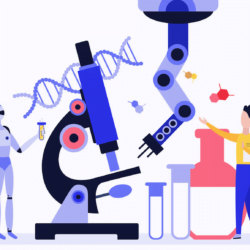
The shift in 2026 has been driven by the “Design-Build-Test-Learn” (DBTL) cycle. High-throughput automation and “bio-foundries” allow scientists to test thousands of genetic variations simultaneously. When combined with Generative AI, which can predict how a new protein will fold or how a metabolic pathway will interact with its environment, the speed of innovation has moved from a crawl to a sprint. We are no longer limited by what nature has provided; we are limited only by our ability to design functional systems.

The Technological Pillars: CRISPR, AI, and DNA Synthesis

The rapid acceleration of synthetic biology in 2026 rests on three primary technological pillars. Without these, the field would remain theoretical.

1. **Advanced Gene Editing (Beyond CRISPR-Cas9):** While CRISPR was the breakthrough of the last decade, 2026 sees the widespread use of prime editing and base editing. These tools are far more precise, allowing for “search and replace” functions within the genome without causing double-stranded breaks in the DNA. This minimizes “off-target” effects, making genetic therapies safer and more predictable.
2. **DNA Synthesis at Scale:** The cost of “printing” DNA has plummeted. Companies can now synthesize long strands of DNA with incredible accuracy. This allows researchers to move away from editing existing organisms and toward “de novo” synthesis—creating entirely new organisms with bespoke genomes designed on a computer.
3. **The AI Convergence:** In 2026, AI is the brain of synthetic biology. Machine learning models, trained on vast genomic datasets, can now design enzymes that have never existed in nature. These “hallucinated” proteins are optimized for specific industrial tasks, such as breaking down PET plastics in hours rather than centuries or surviving the harsh conditions of a chemical reactor.

Real-World Applications in 2026: From Lab to Life

The year 2026 marks a turning point where synthetic biology has moved out of niche research and into mainstream industrial applications. We are seeing a “bio-industrial revolution” that is reshaping several sectors.

Precision Medicine and Living Therapeutics:

In 2026, we have moved beyond static pills. Synthetic biology has enabled “smart” bacteria that live in the human gut and act as internal diagnostic centers. These engineered microbes can detect inflammation markers and automatically produce and release the necessary anti-inflammatory compound in situ. Furthermore, CAR-T cell therapies—where a patient’s own immune cells are reprogrammed to fight cancer—have become more “programmable,” with logic gates that prevent the cells from attacking healthy tissue.

Environmental Remediation:

The fight against climate change has been bolstered by “carbon-negative” microbes. In 2026, several pilot projects utilize engineered cyanobacteria in massive bioreactors to capture industrial CO2 emissions and convert them directly into biofuels or biodegradable plastics. Additionally, synthetic biology is being used to create “biosensors”—plants or microbes that change color when they detect heavy metals or plastic pollutants in soil and water, providing a real-time, living map of environmental health.

Agricultural Resilience:

With traditional crops struggling against changing climates, 2026 has seen the introduction of “nitrogen-fixing” cereal crops. By engineering the symbiotic relationship between plants and soil bacteria, scientists have reduced the need for synthetic fertilizers, which are a major source of water pollution and greenhouse gas emissions. These crops are essentially “self-fertilizing,” allowing for high yields with a fraction of the environmental footprint.

Impact on Daily Life: The Bio-Consumer Era

How does synthetic biology affect the average person in 2026? You might not see the genetic circuits, but you are certainly interacting with their products.

Sustainable Fashion:

The fashion industry has undergone a massive shift. In 2026, “bio-fabricated” materials are no longer luxury curiosities. High-performance outdoor gear is now made from synthetic spider silk—a material stronger than steel and tougher than Kevlar, produced by engineered yeast in fermentation vats. Lab-grown leather, which requires no animal slaughter and 90% less water than traditional tanning, has become a staple in mainstream retail.

Nutrition and Food Security:

The grocery store of 2026 features products that are “molecularly identical” to their animal counterparts but are produced via precision fermentation. This includes dairy-free milk that contains actual milk proteins (casein and whey) without the cow, and “structured” cultivated meat that replicates the texture of a steak. These innovations provide a way to satisfy the global demand for protein without the ethical and environmental costs of factory farming.

Personalized Health Diagnostics:

At-home health monitoring has evolved. Using synthetic biology-based paper diagnostics—similar to a COVID-19 test but far more complex—consumers can now check for a wide array of vitamin deficiencies, hormone imbalances, or early signs of infection by detecting specific DNA or RNA sequences in their own biology.

The Great Debate: Ethics, Security, and Governance

As with any powerful technology, the rise of synthetic biology in 2026 has sparked intense ethical debates. The ability to “code” life brings with it a set of unique challenges that society is still struggling to address.

Biosecurity and Dual-Use Concerns:

The democratization of DNA synthesis tools means that the “blueprints” for dangerous pathogens could theoretically be accessed or recreated by bad actors. In 2026, the international community has had to implement rigorous screening protocols for all DNA synthesis orders, creating a “digital moat” around the technology. However, the risk of “bio-hacking” or the accidental release of an engineered organism remains a top priority for global security agencies.

Ecological Impact and Gene Drives:

One of the most contentious issues is the use of “gene drives”—a technology that ensures a specific genetic trait is passed on to all offspring, potentially altering an entire species in the wild. While this could be used to eradicate malaria-carrying mosquitoes, the long-term ecological consequences of permanently altering or eliminating a species are unknown. Critics argue that we do not have the right to “play God” with the global ecosystem when the risks of unintended consequences are so high.

Equity and Access:

Who owns the “code of life”? As large corporations patent genetic circuits and engineered organisms, there are growing concerns about a “bio-divide.” If life-saving synthetic biology treatments are only available to the wealthy, or if farmers become entirely dependent on a few biotech giants for “self-fertilizing” seeds, the technology could exacerbate existing social and economic inequalities.

FAQ: Understanding the Synthetic Biology Landscape

Q1: What is the main difference between synthetic biology and traditional GMOs?

Traditional GMOs usually involve moving a single gene from one species to another to gain a specific trait (like pest resistance). Synthetic biology is more like “writing software for cells.” It involves designing complex genetic circuits and metabolic pathways, often creating sequences that do not exist in nature.

Q2: Is synthetic biology safe for the environment in 2026?

Safety is a primary focus. In 2026, “biological kill switches” are a standard requirement for engineered microbes. These are genetic codes that ensure an organism cannot survive outside of a specific laboratory or industrial environment, or that it self-destructs after a certain number of cell divisions.

Q3: Will synthetic biology make healthcare more affordable?

In the long run, yes. While initial treatments like CAR-T therapy are expensive, synthetic biology allows for the “standardization” of biological parts. This modularity, combined with automated manufacturing in bio-foundries, is expected to significantly drive down the cost of producing complex biologics and personalized medicines.

Q4: Can synthetic biology help solve the plastic crisis?

Absolutely. By 2026, we have engineered microbes and enzymes specifically designed to break down complex polymers like PET and HDPE into their original chemical building blocks, which can then be reused. This creates a “circular bio-economy” where plastic is treated as a resource rather than waste.

Q5: What are the biggest risks of this technology?

The two biggest risks are biosecurity (the creation of harmful biological agents) and “ecological leakage” (engineered organisms outcompeting natural species). Ethical concerns also surround the modification of the human germline, which remains a strictly regulated and highly debated area of the field.

Conclusion: The Century of Biology

As we look beyond 2026, it is clear that we have entered the “Century of Biology.” The innovations we see today are just the foundation for a future where our relationship with the natural world is redefined. We are moving away from an era of extraction—where we take what we need from the earth—and into an era of cultivation, where we grow our materials, our medicines, and our energy.

However, the success of synthetic biology will not be determined by the elegance of our genetic circuits alone. It will be determined by our ability to build robust regulatory frameworks, ensure equitable access to these life-changing tools, and maintain a transparent dialogue about the ethical boundaries of our intervention in the biological world.

The “programmable cell” is perhaps the most powerful tool humanity has ever wielded. If managed with wisdom and foresight, it offers a path to a sustainable, post-scarcity future. If ignored or misused, it poses risks that are as complex as life itself. As we move further into 2026 and beyond, one thing is certain: the code is no longer just something we carry within us; it is something we have the power to change. The question is no longer *can* we rewrite the future of life, but *how* we choose to do it.