What Is Artificial Intelligence — Definition & Examples
By futureinsights Editorial Team — Senior editors with 10+ years of subject-matter experience in AI, technology forecasting, and industry analysis.
Published 2026-05-26 · Last Updated 2026-05-26
Affiliate disclosure: This article may contain affiliate links. Recommendations are independent and editorially driven.
Artificial intelligence (AI) has transcended the realm of science fiction to become a foundational technology of our modern world. From powering our smartphones to optimizing global supply chains, its influence is pervasive and ever-expanding. But for many, the fundamental question remains: what is artificial intelligence, truly? It’s more than just advanced algorithms; it’s a multidisciplinary field dedicated to creating machines that can perform tasks traditionally requiring human intelligence.
TL;DR: Artificial intelligence refers to the simulation of human intelligence in machines that are programmed to think like humans and mimic their actions. It encompasses learning, reasoning, problem-solving, perception, and language understanding, enabling machines to perform complex tasks autonomously.
At futureinsights, our mission is to demystify complex technological concepts and provide actionable insights into the forces shaping our future. This comprehensive guide will explore the multifaceted nature of AI, from its foundational principles to its most advanced applications and the profound ethical questions it raises. We’ll delve into how AI works, examine its various types, showcase real-world examples in 2026, and peer into the exciting, sometimes daunting, possibilities that lie ahead. Join us as we unpack the essence of artificial intelligence and its transformative potential.
What Exactly is Artificial Intelligence?
At its core, artificial intelligence (AI) is a broad branch of computer science focused on endowing machines with the ability to perform tasks that typically require human cognitive functions. These tasks include, but are not limited to, learning, problem-solving, decision-making, pattern recognition, speech recognition, and even creative generation.
The field is anchored by the idea that human intelligence can be sufficiently described to enable a machine to simulate it. This isn’t just about programming a computer to follow a set of instructions; it’s about developing systems that can adapt, learn from data, and improve their performance over time without explicit human intervention for every new scenario. It’s about building intelligent agents that perceive their environment and take actions that maximize their chance of successfully achieving their goals.
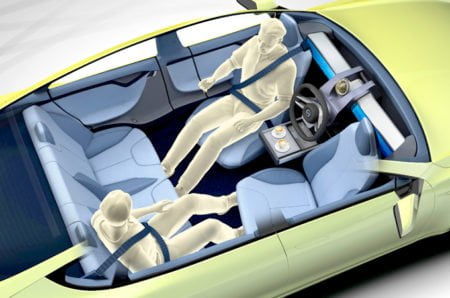
Consider a self-driving car. It must perceive its surroundings through sensors, interpret complex visual information, predict the behavior of other vehicles and pedestrians, make real-time decisions, and control the car’s mechanics—all tasks that would be impossible without sophisticated AI algorithms. Similarly, a medical diagnostic tool powered by AI can analyze vast datasets of patient symptoms, medical images, and genetic information to identify patterns indicative of diseases, often with greater accuracy and speed than human doctors alone.
The definition of AI has evolved significantly since its inception, reflecting advancements in computational power, data availability, and algorithmic innovation. Initially, AI focused on symbolic reasoning and expert systems. Today, the dominant paradigm is machine learning, particularly deep learning, which allows AI models to learn directly from raw data, finding intricate patterns and making highly accurate predictions or classifications.
The Evolution of AI: A Journey Through Decades

The concept of intelligent machines dates back centuries in philosophy and mythology, but the formal field of artificial intelligence emerged in the mid-20th century. Its journey has been characterized by periods of intense optimism, often followed by “AI winters” where funding and interest waned, only to rebound with new breakthroughs.
Early Foundations: Logic and Symbolic AI
The term “artificial intelligence” was coined in 1956 at the Dartmouth workshop, often considered the birth of AI as a distinct academic discipline. Early pioneers like Alan Turing (with his famous Turing Test), John McCarthy, Marvin Minsky, and Herbert Simon laid the theoretical groundwork. The initial focus was on symbolic AI, which involved representing knowledge using symbols and rules. Expert systems, which encoded human expert knowledge into rule-based systems, were a prominent application during this era, achieving success in limited domains like medical diagnosis (e.g., MYCIN) and mineral exploration (e.g., PROSPECTOR).
The Rise of Machine Learning
The limitations of symbolic AI—its brittleness, difficulty in handling uncertainty, and the immense effort required to hand-craft rules for complex domains—became apparent. This led to a shift towards machine learning (ML) in the 1980s and 1990s. ML focuses on algorithms that allow systems to learn from data without being explicitly programmed. Early ML techniques included decision trees, support vector machines (SVMs), and nascent neural networks. The development of robust algorithms and increased computational power paved the way for more practical applications, such as spam filters and recommendation engines.
Deep Learning and the AI Renaissance
The early 2010s marked a pivotal moment with the resurgence of artificial neural networks, specifically deep learning. This breakthrough was fueled by several factors: the availability of massive datasets (Big Data), the development of powerful Graphics Processing Units (GPUs) capable of parallel computation, and algorithmic innovations like rectified linear units (ReLUs) and dropout. Deep learning models, with their multiple layers, proved exceptionally good at tasks like image recognition, speech processing, and natural language understanding. This era saw remarkable achievements, from AlphaGo defeating world champions in Go to sophisticated voice assistants and highly accurate facial recognition systems, ushering in the current “AI renaissance” that continues to accelerate in 2026.
[INLINE IMAGE 1: place after second H2 | alt=”what is artificial intelligence concept illustration”]
The Core Pillars: How AI Systems Function
Modern AI is not a singular technology but a constellation of interconnected disciplines. Understanding the core pillars helps to grasp the breadth and depth of what AI can achieve.
Machine Learning: Learning from Data
Machine learning is the most prevalent subset of AI and forms the backbone of almost all contemporary AI applications. It involves algorithms that enable systems to improve their performance on a specific task with experience, without being explicitly programmed. Instead of hard-coding rules, ML models are trained on large datasets, identifying patterns and making predictions or decisions based on those patterns. Key types of machine learning include:
- Supervised Learning: Training models on labeled data (input-output pairs) to make predictions. Examples include image classification (cat vs. dog) or sentiment analysis (positive vs. negative).
- Unsupervised Learning: Finding hidden patterns or structures in unlabeled data. Clustering algorithms (grouping similar customers) and dimensionality reduction are common applications.
- Reinforcement Learning: Training agents to make a sequence of decisions in an environment to maximize a reward. This is often used in robotics, game playing, and autonomous navigation.
Deep Learning: The Neural Network Revolution
Deep learning is a specialized subset of machine learning that utilizes artificial neural networks with many layers (hence “deep”). Inspired by the structure and function of the human brain, these networks can learn highly complex patterns directly from raw data, such as images, sound, and text. Deep learning has been responsible for breakthroughs in areas like:
- Convolutional Neural Networks (CNNs): Highly effective for image and video processing, enabling tasks like facial recognition, object detection, and medical image analysis.
- Recurrent Neural Networks (RNNs) / Transformers: Crucial for sequential data like natural language and time series. Transformers, in particular, have revolutionized Natural Language Processing (NLP) and are behind large language models (LLMs).
Natural Language Processing (NLP): Understanding Human Language
NLP is the branch of AI that deals with the interaction between computers and human (natural) language. It aims to enable computers to understand, interpret, and generate human language in a valuable way. Advances in deep learning, particularly with transformer models, have dramatically improved NLP capabilities. Applications include:
- Language Translation: Real-time translation services.
- Sentiment Analysis: Determining the emotional tone of text.
- Chatbots and Virtual Assistants: Interacting with users in natural language.
- Text Summarization and Generation: Creating concise summaries or entirely new text.
Computer Vision: Seeing the World
Computer vision (CV) is an interdisciplinary field that enables computers to “see,” identify, and process images and videos in the same way that humans do, and then apply appropriate actions. CV systems can learn to recognize specific objects, people, texts, and even emotions from visual inputs. Key applications include:
- Facial Recognition: Identifying individuals from images or video streams.
- Object Detection and Tracking: Locating and following objects in real-time (e.g., in autonomous vehicles).
- Medical Imaging Analysis: Assisting in diagnosing diseases by analyzing X-rays, MRIs, and CT scans.
- Quality Control in Manufacturing: Automatically detecting defects in products.
Robotics and AI: Intelligent Automation
Robotics is the engineering branch that deals with the design, construction, operation, and application of robots. When combined with AI, robots gain the ability to perceive their environment, learn from experience, and make autonomous decisions, moving beyond mere programmed actions. This integration creates intelligent robots capable of:
- Autonomous Navigation: Robots that can move freely and safely in complex environments.
- Human-Robot Collaboration: Robots working alongside humans in manufacturing or logistics.
- Surgical Robots: Assisting surgeons with precision tasks.
- Service Robots: Performing tasks in hospitality, elder care, or cleaning.
Types of Artificial Intelligence: From Reactive to Superintelligent

AI can be categorized in various ways, often based on its capabilities and the extent to which it mimics human intelligence. A common framework divides AI into four types, progressing from the most basic to the most advanced hypothetical forms.
| AI Type/Paradigm | Primary Capability | Examples in 2026 | Key Limitation |
|---|---|---|---|
| Reactive Machines | Performs specific, pre-defined tasks. No memory or learning from past experiences. | Deep Blue chess computer, spam filters (basic) | Cannot learn or adapt; no “memory.” |
| Limited Memory AI | Uses past experiences to inform future decisions, but only for a short period. | Self-driving cars, recommendation systems, chatbots | Memory is temporary and task-specific; lacks comprehensive understanding. |
| Theory of Mind AI (Conceptual) | Understands emotions, beliefs, intentions, and desires of humans. | (Currently theoretical) Advanced empathetic virtual assistants | Requires deep understanding of psychology and social dynamics; complex to achieve. |
| Self-Aware AI (Hypothetical) | Possesses consciousness, self-awareness, and sapience akin to humans. | (Purely hypothetical) General AI that understands its own existence | Philosophical and technical challenges are immense; current science fiction. |
| Narrow AI (ANI) | Specializes in one specific task; excels at it but cannot generalize. | AlphaGo, ChatGPT, image recognition software, virtual assistants | Lack of generality; cannot perform tasks outside its training. |
| General AI (AGI) | Hypothetical AI that can understand, learn, and apply intelligence to any intellectual task a human can. | (Not yet achieved) A single AI system capable of excelling at multiple, diverse tasks. | Immense technical hurdles; ongoing research. |
| Superintelligent AI (ASI) | Hypothetical AI that far surpasses human intelligence across virtually all domains. | (Purely hypothetical) An AI capable of unprecedented scientific discoveries. | Speculative; potential existential risks. |
Reactive Machines
These are the most basic forms of AI. Reactive machines are programmed to perform a specific task and operate based on present inputs without memory of past experiences or the ability to learn. They are designed for narrow functionalities and will always respond in the same way to identical situations. A classic example is IBM’s Deep Blue, the chess-playing computer that defeated Garry Kasparov in the 1990s. While impressive, Deep Blue couldn’t learn from its opponent’s strategy over time or adapt to new games beyond chess.
Limited Memory AI
This type of AI can retain information for a short period and use it to make future decisions. Unlike reactive machines, limited memory AI observes data from the recent past to build an ephemeral representation of the world, which it then uses to guide its actions. This is the category where most of the AI we interact with in 2026 falls. Self-driving cars use limited memory AI to observe traffic patterns, speed, and other factors, remembering them just long enough to navigate effectively. Similarly, chatbots remember parts of a conversation to provide contextually relevant responses.
Theory of Mind AI (Conceptual)
This is a more advanced, and currently conceptual, type of AI. Theory of Mind AI would not only understand and remember, but also comprehend emotions, beliefs, intentions, and desires—both its own and those of the entities it interacts with. Achieving this would require AI to grasp human psychology and social dynamics, allowing for much more nuanced and empathetic interactions. While we have AI systems that can infer emotions from facial expressions or tone of voice, truly understanding and acting upon a “theory of mind” is a significant leap beyond current capabilities.
Self-Aware AI (Hypothetical)
The pinnacle of AI development, self-aware AI, remains purely hypothetical and exists mostly in the realm of science fiction. This AI would possess consciousness, self-awareness, and sapience, meaning it would understand its own existence, internal states, and feelings. Such an AI would not only be intelligent but would also have subjective experiences, aspirations, and potentially a sense of identity. The creation of self-aware AI raises profound philosophical, ethical, and existential questions that humanity is far from addressing, let alone solving.
[INLINE IMAGE 2: place after fourth H2 | alt=”what is artificial intelligence comparison illustration”]
How Artificial Intelligence Works: A Technical Deep Dive
While the umbrella term “artificial intelligence” encompasses a vast array of techniques, the underlying principles often involve data, algorithms, and computational power. Here’s a simplified breakdown of the general workflow for many modern AI systems, particularly those based on machine learning:
Data Collection and Preparation
Every AI system is only as good as the data it’s trained on. This initial phase involves gathering vast amounts of relevant data, which can range from text and images to sensor readings and numerical statistics. Once collected, the data must be rigorously cleaned, preprocessed, and formatted. This includes handling missing values, removing noise, normalizing data, and potentially labeling it (for supervised learning). High-quality, diverse, and unbiased data is paramount to prevent the AI model from learning incorrect patterns or perpetuating biases present in the original dataset.
Algorithm Selection and Model Training
After data preparation, an appropriate AI algorithm or model architecture is selected based on the problem at hand (e.g., a CNN for image classification, a transformer for language generation). The model is then “trained” using the prepared data. During training, the algorithm adjusts its internal parameters by iteratively processing the input data and comparing its predictions with the known correct outputs (in supervised learning) or identifying inherent structures (in unsupervised learning). This iterative process, often involving complex mathematical optimization, allows the model to “learn” patterns, features, and relationships within the data.
Evaluation and Deployment
Once trained, the AI model’s performance must be rigorously evaluated using a separate dataset (the “test set”) that it has never seen before. Metrics such as accuracy, precision, recall, F1-score, and root mean squared error are used to assess how well the model generalizes to new data. If the model meets performance criteria, it can be deployed into real-world applications. This might involve integrating it into software, embedding it in hardware, or making it available via an API.
Continuous Learning and Optimization
AI models are not static; they often require continuous monitoring and sometimes retraining. As new data becomes available or environmental conditions change, the model’s performance might degrade (a phenomenon known as “model drift”). Continuous learning involves feeding new data back into the system to retrain or fine-tune the model, ensuring its relevance and accuracy over time. Optimization also extends to improving the underlying algorithms, computational efficiency, and resource utilization to ensure the AI system remains effective and scalable.
Real-World Applications of AI in 2026

In 2026, artificial intelligence is no longer an experimental technology; it’s deeply embedded in countless industries and daily life, driving efficiency, innovation, and new capabilities. Here are some prominent examples:
Healthcare: Diagnostics and Drug Discovery
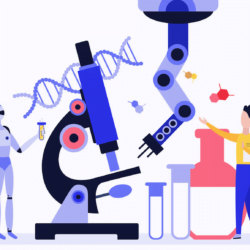
AI is revolutionizing healthcare, assisting doctors in diagnostics by analyzing medical images (X-rays, MRIs, CT scans) to detect subtle anomalies indicative of diseases like cancer or Alzheimer’s with remarkable accuracy. In drug discovery, AI accelerates the identification of potential drug candidates by simulating molecular interactions and predicting efficacy, significantly reducing the time and cost associated with traditional research. Personalized medicine, tailored to an individual’s genetic makeup, is becoming more prevalent through AI-driven analysis of genomic data.
Automotive: Autonomous Vehicles and ADAS
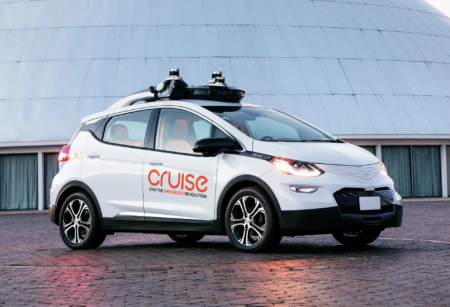
Self-driving cars continue to advance, with AI systems enabling complex perception, decision-making, and navigation. Beyond fully autonomous vehicles, AI powers Advanced Driver-Assistance Systems (ADAS) in millions of cars, including adaptive cruise control, lane-keeping assist, and automatic emergency braking, making roads safer and driving more convenient. Leading manufacturers report a significant reduction in certain types of accidents where AI-powered ADAS are fully utilized.
Finance: Fraud Detection and Algorithmic Trading
Financial institutions leverage AI to detect fraudulent transactions in real-time by identifying unusual patterns in spending behavior, saving billions annually. Algorithmic trading, driven by sophisticated AI models, analyzes vast market data to execute trades at optimal times and predict market movements, offering competitive advantages to investment firms. Customer service in banking is also enhanced by AI-powered chatbots handling routine queries, allowing human agents to focus on complex issues.
Manufacturing: Predictive Maintenance and Smart Factories
In manufacturing, AI optimizes production lines through predictive maintenance, anticipating equipment failures before they occur by analyzing sensor data from machinery. This minimizes downtime and extends the lifespan of expensive assets. Smart factories use AI to manage inventory, optimize supply chains, and ensure quality control by autonomously inspecting products for defects, leading to higher efficiency and reduced waste.
Customer Service: Chatbots and Virtual Assistants
AI-powered chatbots and virtual assistants (like those embedded in smart speakers or mobile apps) have become ubiquitous, providing instant support, answering queries, and performing tasks. They handle a significant volume of customer interactions, improving response times and freeing up human agents for more complex or sensitive issues. These systems are continually learning and improving their understanding of natural language and user intent.
Creative Industries: Content Generation and Design
Generative AI, particularly large language models (LLMs) and diffusion models, has made significant inroads into creative industries. AI tools assist writers by generating drafts, suggesting ideas, and optimizing content for SEO. In design, AI helps create logos, generate unique art, and even design architectural layouts, acting as a powerful co-creator alongside human professionals. AI-driven music composition tools are also emerging, capable of producing original scores and soundtracks. The Future of AI: Navigating What’s Next delves deeper into these emerging creative applications.
As AI continues to mature, its integration into new and existing sectors promises further transformative changes, fundamentally altering how we live, work, and interact with the world around us. These applications demonstrate that what is artificial intelligence capable of today far exceeds what was imagined just a decade ago.
Unlock Your Potential in the AI Era
Curious about how AI is shaping your career? Dive deeper into specific AI applications and skill sets required for the jobs of tomorrow. Explore our AI Career Paths & Skills Guide to find your niche in the rapidly evolving tech landscape.
The Ethical Landscape of AI
As AI becomes more powerful and pervasive, the ethical implications of its development and deployment grow in importance. Addressing these concerns proactively is crucial for ensuring AI serves humanity’s best interests.
Bias and Fairness in AI
AI systems learn from the data they are fed. If this data reflects existing societal biases (e.g., racial, gender, socioeconomic), the AI will learn and perpetuate those biases, potentially leading to discriminatory outcomes in areas like hiring, loan approvals, or even criminal justice. Ensuring fairness requires careful attention to dataset diversity, algorithm design, and continuous auditing of AI outputs. Research indicates that addressing bias is not just an ethical imperative but also crucial for the robustness and public trust of AI systems.
Privacy and Data Security
Many advanced AI applications rely on vast amounts of personal data. This raises significant privacy concerns about how data is collected, stored, used, and protected. The risk of data breaches, misuse of personal information, or the creation of intrusive surveillance systems necessitates robust data governance, stringent security measures, and transparent data practices. Regulations like GDPR and CCPA are attempts to address these challenges, but the dynamic nature of AI demands constant adaptation of legal and ethical frameworks.
Job Displacement and the Future of Work
AI and automation are poised to transform the global workforce, automating routine and repetitive tasks across various industries. While AI will undoubtedly create new jobs, there’s a significant concern about job displacement for certain segments of the population. Governments, educators, and industries must collaborate to prepare the workforce for this transition through reskilling programs, new educational paradigms, and potential social safety nets. Understanding these trends is key to navigating the future-of-work landscape.
Accountability and Transparency
When an AI system makes a mistake or causes harm, who is accountable? The complexity of some AI models, particularly deep learning networks, can make it difficult to understand how they arrive at their decisions (the “black box” problem). This lack of explainability poses challenges for accountability, especially in critical applications like medical diagnosis or autonomous weapons. Efforts are underway to develop “explainable AI” (XAI) techniques that provide insights into an AI’s reasoning process, fostering greater trust and enabling effective oversight.
Autonomous Systems and Control
The development of increasingly autonomous AI systems, from self-driving cars to potentially autonomous weapons, raises questions of human control. Ensuring that humans remain “in the loop” and maintain ultimate oversight over critical decisions made by AI is a paramount ethical challenge. The potential for AI to operate beyond human comprehension or control, particularly in highly sensitive domains, requires careful thought and international cooperation on ethical guidelines and regulatory frameworks. For a deeper dive, consider our Deep Dive into AI Ethics: A Comprehensive Guide.
Challenges and Limitations of Current AI
Despite its remarkable progress, artificial intelligence still faces significant challenges and limitations that temper its capabilities and widespread adoption. Understanding these helps in setting realistic expectations and guiding future research.
Explainability and the ‘Black Box’ Problem
As mentioned in the ethical section, many powerful AI models, especially deep neural networks, operate as “black boxes.” It’s often difficult for humans to understand exactly why a model made a particular decision or prediction. This lack of transparency is a major limitation, particularly in high-stakes fields like healthcare, finance, or law, where interpretability and auditability are crucial. Researchers are actively working on Explainable AI (XAI) to develop methods that allow for greater insight into an AI’s internal workings.
Data Dependency and Quality
Modern AI, particularly machine learning, is heavily reliant on vast quantities of high-quality, relevant data. If data is scarce, noisy, incomplete, or biased, the AI model’s performance will suffer significantly. The process of collecting, cleaning, labeling, and validating data is often time-consuming and expensive. Furthermore, models trained on specific datasets may not generalize well to different datasets or domains, requiring constant data refreshing and retraining.
Lack of Common Sense and Generalization
While AI can excel at specific tasks, it largely lacks human-like common sense, intuition, and the ability to generalize knowledge across different domains seamlessly. An AI trained to play chess won’t automatically know how to drive a car. Human intelligence is remarkably adaptable and can reason about novel situations based on broad understanding. Current AI often struggles with abstract reasoning, understanding causality, and applying learned knowledge to vastly different contexts without extensive retraining. Achieving Artificial General Intelligence (AGI) that possesses these capabilities remains a distant goal.
Energy Consumption and Environmental Impact
Training increasingly complex AI models, particularly large language models and deep learning architectures, requires immense computational power and, consequently, significant energy consumption. The carbon footprint associated with training and running these models is growing, raising concerns about the environmental sustainability of AI development. Optimizing algorithms for efficiency, developing more energy-efficient hardware, and leveraging renewable energy sources are critical challenges for the future of AI.
The Future of AI: Trends and Predictions for the Next Decade
Looking beyond 2026, artificial intelligence is poised for even more profound transformations. The trajectory of AI development points towards systems that are more integrated, intelligent, and ethically mindful.
Advancements in AGI and Superintelligence
While Artificial General Intelligence (AGI) — AI capable of matching human cognitive abilities across all tasks — remains a grand challenge, progress in areas like multi-modal learning and foundational models are bringing us closer. Research and investment continue to accelerate in this domain. The long-term hypothetical prospect of Artificial Superintelligence (ASI), which would far surpass human intelligence, drives both excitement and caution among researchers and policymakers alike.
Hyper-Personalization and Adaptive AI
Expect AI to become even more finely tuned to individual needs and preferences. From education to healthcare, AI will create highly personalized learning paths, customized medical treatments, and adaptive user interfaces that predict and cater to individual behaviors and moods. This will move beyond simple recommendations to truly anticipatory and bespoke experiences across digital and physical realms.
AI for Scientific Discovery
AI will increasingly act as a powerful accelerator for scientific research. Already assisting in drug discovery, materials science, and climate modeling, future AI will hypothesize new theories, design novel experiments, and analyze complex datasets at scales impossible for humans. This could lead to breakthroughs in medicine, sustainable energy, and our fundamental understanding of the universe. Imagine AI discovering a cure for a previously intractable disease or designing highly efficient fusion reactors.
Ethical AI Governance and Regulation
As AI’s capabilities grow, so will the urgency for robust ethical frameworks and international regulations. We will see more comprehensive legislation addressing AI bias, privacy, accountability, and the responsible development of autonomous systems. International bodies and governments are actively working on establishing global standards to ensure AI is developed and deployed safely and equitably, preventing misuse and ensuring public trust. Collaborative efforts between industry, academia, and policy makers will define the guardrails for AI’s evolution.
The Symbiotic Relationship Between Humans and AI
Rather than replacing humans, the future will likely see a deeper symbiotic relationship. AI will become an indispensable tool, augmenting human capabilities in nearly every profession. From AI co-pilots for programmers and designers to intelligent assistants for doctors and educators, AI will handle routine tasks, analyze complex data, and provide insights, allowing humans to focus on creativity, critical thinking, and interpersonal interaction. This collaboration will redefine productivity and innovation. To explore how AI is already impacting business strategy, read our guide on Implementing AI in Your Business: A Strategic Overview.
Stay Ahead with FutureInsights
The world of AI is moving fast. Don’t get left behind. Subscribe to the futureinsights newsletter for exclusive analysis, breaking news, and expert opinions on artificial intelligence and emerging
What Is Artificial Intelligence — Definition & Examples
By futureinsights Editorial Team — Senior editors with 10+ years of subject-matter experience in AI, technology forecasting, and industry analysis.
Published 2026-05-26 · Last Updated 2026-05-26
Affiliate disclosure: This article may contain affiliate links. Recommendations are independent and editorially driven.
Artificial intelligence (AI) has transcended the realm of science fiction to become a foundational technology of our modern world. From powering our smartphones to optimizing global supply chains, its influence is pervasive and ever-expanding. But for many, the fundamental question remains: what is artificial intelligence, truly? It’s more than just advanced algorithms; it’s a multidisciplinary field dedicated to creating machines that can perform tasks traditionally requiring human intelligence.
TL;DR: Artificial intelligence refers to the simulation of human intelligence in machines that are programmed to think like humans and mimic their actions. It encompasses learning, reasoning, problem-solving, perception, and language understanding, enabling machines to perform complex tasks autonomously.
At futureinsights, our mission is to demystify complex technological concepts and provide actionable insights into the forces shaping our future. This comprehensive guide will explore the multifaceted nature of AI, from its foundational principles to its most advanced applications and the profound ethical questions it raises. We’ll delve into how AI works, examine its various types, showcase real-world examples in 2026, and peer into the exciting, sometimes daunting, possibilities that lie ahead. Join us as we unpack the essence of artificial intelligence and its transformative potential.
What Exactly is Artificial Intelligence?
At its core, artificial intelligence (AI) is a broad branch of computer science focused on endowing machines with the ability to perform tasks that typically require human cognitive functions. These tasks include, but are not limited to, learning, problem-solving, decision-making, pattern recognition, speech recognition, and even creative generation.
The field is anchored by the idea that human intelligence can be sufficiently described to enable a machine to simulate it. This isn’t just about programming a computer to follow a set of instructions; it’s about developing systems that can adapt, learn from data, and improve their performance over time without explicit human intervention for every new scenario. It’s about building intelligent agents that perceive their environment and take actions that maximize their chance of successfully achieving their goals.
Consider a self-driving car. It must perceive its surroundings through sensors, interpret complex visual information, predict the behavior of other vehicles and pedestrians, make real-time decisions, and control the car’s mechanics—all tasks that would be impossible without sophisticated AI algorithms. Similarly, a medical diagnostic tool powered by AI can analyze vast datasets of patient symptoms, medical images, and genetic information to identify patterns indicative of diseases, often with greater accuracy and speed than human doctors alone.
The definition of AI has evolved significantly since its inception, reflecting advancements in computational power, data availability, and algorithmic innovation. Initially, AI focused on symbolic reasoning and expert systems. Today, the dominant paradigm is machine learning, particularly deep learning, which allows AI models to learn directly from raw data, finding intricate patterns and making highly accurate predictions or classifications.
The Evolution of AI: A Journey Through Decades
The concept of intelligent machines dates back centuries in philosophy and mythology, but the formal field of artificial intelligence emerged in the mid-20th century. Its journey has been characterized by periods of intense optimism, often followed by “AI winters” where funding and interest waned, only to rebound with new breakthroughs.
Early Foundations: Logic and Symbolic AI
The term “artificial intelligence” was coined in 1956 at the Dartmouth workshop, often considered the birth of AI as a distinct academic discipline. Early pioneers like Alan Turing (with his famous Turing Test), John McCarthy, Marvin Minsky, and Herbert Simon laid the theoretical groundwork. The initial focus was on symbolic AI, which involved representing knowledge using symbols and rules. Expert systems, which encoded human expert knowledge into rule-based systems, were a prominent application during this era, achieving success in limited domains like medical diagnosis (e.g., MYCIN) and mineral exploration (e.g., PROSPECTOR).
The Rise of Machine Learning
The limitations of symbolic AI—its brittleness, difficulty in handling uncertainty, and the immense effort required to hand-craft rules for complex domains—became apparent. This led to a shift towards machine learning (ML) in the 1980s and 1990s. ML focuses on algorithms that allow systems to learn from data without being explicitly programmed. Early ML techniques included decision trees, support vector machines (SVMs), and nascent neural networks. The development of robust algorithms and increased computational power paved the way for more practical applications, such as spam filters and recommendation engines.
Deep Learning and the AI Renaissance
The early 2010s marked a pivotal moment with the resurgence of artificial neural networks, specifically deep learning. This breakthrough was fueled by several factors: the availability of massive datasets (Big Data), the development of powerful Graphics Processing Units (GPUs) capable of parallel computation, and algorithmic innovations like rectified linear units (ReLUs) and dropout. Deep learning models, with their multiple layers, proved exceptionally good at tasks like image recognition, speech processing, and natural language understanding. This era saw remarkable achievements, from AlphaGo defeating world champions in Go to sophisticated voice assistants and highly accurate facial recognition systems, ushering in the current “AI renaissance” that continues to accelerate in 2026.
[INLINE IMAGE 1: place after second H2 | alt=”what is artificial intelligence concept illustration”]
The Core Pillars: How AI Systems Function
Modern AI is not a singular technology but a constellation of interconnected disciplines. Understanding the core pillars helps to grasp the breadth and depth of what AI can achieve.
Machine Learning: Learning from Data
Machine learning is the most prevalent subset of AI and forms the backbone of almost all contemporary AI applications. It involves algorithms that enable systems to improve their performance on a specific task with experience, without being explicitly programmed. Instead of hard-coding rules, ML models are trained on large datasets, identifying patterns and making predictions or decisions based on those patterns. Key types of machine learning include:
- Supervised Learning: Training models on labeled data (input-output pairs) to make predictions. Examples include image classification (cat vs. dog) or sentiment analysis (positive vs. negative).
- Unsupervised Learning: Finding hidden patterns or structures in unlabeled data. Clustering algorithms (grouping similar customers) and dimensionality reduction are common applications.
- Reinforcement Learning: Training agents to make a sequence of decisions in an environment to maximize a reward. This is often used in robotics, game playing, and autonomous navigation.
Deep Learning: The Neural Network Revolution
Deep learning is a specialized subset of machine learning that utilizes artificial neural networks with many layers (hence “deep”). Inspired by the structure and function of the human brain, these networks can learn highly complex patterns directly from raw data, such as images, sound, and text. Deep learning has been responsible for breakthroughs in areas like:
- Convolutional Neural Networks (CNNs): Highly effective for image and video processing, enabling tasks like facial recognition, object detection, and medical image analysis.
- Recurrent Neural Networks (RNNs) / Transformers: Crucial for sequential data like natural language and time series. Transformers, in particular, have revolutionized Natural Language Processing (NLP) and are behind large language models (LLMs).
Natural Language Processing (NLP): Understanding Human Language
NLP is the branch of AI that deals with the interaction between computers and human (natural) language. It aims to enable computers to understand, interpret, and generate human language in a valuable way. Advances in deep learning, particularly with transformer models, have dramatically improved NLP capabilities. Applications include:
- Language Translation: Real-time translation services.
- Sentiment Analysis: Determining the emotional tone of text.
- Chatbots and Virtual Assistants: Interacting with users in natural language.
- Text Summarization and Generation: Creating concise summaries or entirely new text.
Computer Vision: Seeing the World
Computer vision (CV) is an interdisciplinary field that enables computers to “see,” identify, and process images and videos in the same way that humans do, and then apply appropriate actions. CV systems can learn to recognize specific objects, people, texts, and even emotions from visual inputs. Key applications include:
- Facial Recognition: Identifying individuals from images or video streams.
- Object Detection and Tracking: Locating and following objects in real-time (e.g., in autonomous vehicles).
- Medical Imaging Analysis: Assisting in diagnosing diseases by analyzing X-rays, MRIs, and CT scans.
- Quality Control in Manufacturing: Automatically detecting defects in products.
Robotics and AI: Intelligent Automation
Robotics is the engineering branch that deals with the design, construction, operation, and application of robots. When combined with AI, robots gain the ability to perceive their environment, learn from experience, and make autonomous decisions, moving beyond mere programmed actions. This integration creates intelligent robots capable of:
- Autonomous Navigation: Robots that can move freely and safely in complex environments.
- Human-Robot Collaboration: Robots working alongside humans in manufacturing or logistics.
- Surgical Robots: Assisting surgeons with precision tasks.
- Service Robots: Performing tasks in hospitality, elder care, or cleaning.
Types of Artificial Intelligence: From Reactive to Superintelligent
AI can be categorized in various ways, often based on its capabilities and the extent to which it mimics human intelligence. A common framework divides AI into four types, progressing from the most basic to the most advanced hypothetical forms.
| AI Type/Paradigm | Primary Capability | Examples in 2026 | Key Limitation |
|---|---|---|---|
| Reactive Machines | Performs specific, pre-defined tasks. No memory or learning from past experiences. | Deep Blue chess computer, spam filters (basic) | Cannot learn or adapt; no “memory.” |
| Limited Memory AI | Uses past experiences to inform future decisions, but only for a short period. | Self-driving cars, recommendation systems, chatbots | Memory is temporary and task-specific; lacks comprehensive understanding. |
| Theory of Mind AI (Conceptual) | Understands emotions, beliefs, intentions, and desires of humans. | (Currently theoretical) Advanced empathetic virtual assistants | Requires deep understanding of psychology and social dynamics; complex to achieve. |
| Self-Aware AI (Hypothetical) | Possesses consciousness, self-awareness, and sapience akin to humans. | (Purely hypothetical) General AI that understands its own existence | Philosophical and technical challenges are immense; current science fiction. |
| Narrow AI (ANI) | Specializes in one specific task; excels at it but cannot generalize. | AlphaGo, ChatGPT, image recognition software, virtual assistants | Lack of generality; cannot perform tasks outside its training. |
| General AI (AGI) | Hypothetical AI that can understand, learn, and apply intelligence to any intellectual task a human can. | (Not yet achieved) A single AI system capable of excelling at multiple, diverse tasks. | Immense technical hurdles; ongoing research. |
| Superintelligent AI (ASI) | Hypothetical AI that far surpasses human intelligence across virtually all domains. | (Purely hypothetical) An AI capable of unprecedented scientific discoveries. | Speculative; potential existential risks. |
Reactive Machines
These are the most basic forms of AI. Reactive machines are programmed to perform a specific task and operate based on present inputs without memory of past experiences or the ability to learn. They are designed for narrow functionalities and will always respond in the same way to identical situations. A classic example is IBM’s Deep Blue, the chess-playing computer that defeated Garry Kasparov in the 1990s. While impressive, Deep Blue couldn’t learn from its opponent’s strategy over time or adapt to new games beyond chess.
Limited Memory AI
This type of AI can retain information for a short period and use it to make future decisions. Unlike reactive machines, limited memory AI observes data from the recent past to build an ephemeral representation of the world, which it then uses to guide its actions. This is the category where most of the AI we interact with in 2026 falls. Self-driving cars use limited memory AI to observe traffic patterns, speed, and other factors, remembering them just long enough to navigate effectively. Similarly, chatbots remember parts of a conversation to provide contextually relevant responses.
Theory of Mind AI (Conceptual)
This is a more advanced, and currently conceptual, type of AI. Theory of Mind AI would not only understand and remember, but also comprehend emotions, beliefs, intentions, and desires—both its own and those of the entities it interacts with. Achieving this would require AI to grasp human psychology and social dynamics, allowing for much more nuanced and empathetic interactions. While we have AI systems that can infer emotions from facial expressions or tone of voice, truly understanding and acting upon a “theory of mind” is a significant leap beyond current capabilities.
Self-Aware AI (Hypothetical)
The pinnacle of AI development, self-aware AI, remains purely hypothetical and exists mostly in the realm of science fiction. This AI would possess consciousness, self-awareness, and sapience, meaning it would understand its own existence, internal states, and feelings. Such an AI would not only be intelligent but would also have subjective experiences, aspirations, and potentially a sense of identity. The creation of self-aware AI raises profound philosophical, ethical, and existential questions that humanity is far from addressing, let alone solving.
[INLINE IMAGE 2: place after fourth H2 | alt=”what is artificial intelligence comparison illustration”]
How Artificial Intelligence Works: A Technical Deep Dive
While the umbrella term “artificial intelligence” encompasses a vast array of techniques, the underlying principles often involve data, algorithms, and computational power. Here’s a simplified breakdown of the general workflow for many modern AI systems, particularly those based on machine learning:
Data Collection and Preparation
Every AI system is only as good as the data it’s trained on. This initial phase involves gathering vast amounts of relevant data, which can range from text and images to sensor readings and numerical statistics. Once collected, the data must be rigorously cleaned, preprocessed, and formatted. This includes handling missing values, removing noise, normalizing data, and potentially labeling it (for supervised learning). High-quality, diverse, and unbiased data is paramount to prevent the AI model from learning incorrect patterns or perpetuating biases present in the original dataset.
Algorithm Selection and Model Training
After data preparation, an appropriate AI algorithm or model architecture is selected based on the problem at hand (e.g., a CNN for image classification, a transformer for language generation). The model is then “trained” using the prepared data. During training, the algorithm adjusts its internal parameters by iteratively processing the input data and comparing its predictions with the known correct outputs (in supervised learning) or identifying inherent structures (in unsupervised learning). This iterative process, often involving complex mathematical optimization, allows the model to “learn” patterns, features, and relationships within the data.
Evaluation and Deployment
Once trained, the AI model’s performance must be rigorously evaluated using a separate dataset (the “test set”) that it has never seen before. Metrics such as accuracy, precision, recall, F1-score, and root mean squared error are used to assess how well the model generalizes to new data. If the model meets performance criteria, it can be deployed into real-world applications. This might involve integrating it into software, embedding it in hardware, or making it available via an API.
Continuous Learning and Optimization
AI models are not static; they often require continuous monitoring and sometimes retraining. As new data becomes available or environmental conditions change, the model’s performance might degrade (a phenomenon known as “model drift”). Continuous learning involves feeding new data back into the system to retrain or fine-tune the model, ensuring its relevance and accuracy over time. Optimization also extends to improving the underlying algorithms, computational efficiency, and resource utilization to ensure the AI system remains effective and scalable.
Real-World Applications of AI in 2026
In 2026, artificial intelligence is no longer an experimental technology; it’s deeply embedded in countless industries and daily life, driving efficiency, innovation, and new capabilities. Here are some prominent examples:
Healthcare: Diagnostics and Drug Discovery
AI is revolutionizing healthcare, assisting doctors in diagnostics by analyzing medical images (X-rays, MRIs, CT scans) to detect subtle anomalies indicative of diseases like cancer or Alzheimer’s with remarkable accuracy. In drug discovery, AI accelerates the identification of potential drug candidates by simulating molecular interactions and predicting efficacy, significantly reducing the time and cost associated with traditional research. Personalized medicine, tailored to an individual’s genetic makeup, is becoming more prevalent through AI-driven analysis of genomic data.
Automotive: Autonomous Vehicles and ADAS
Self-driving cars continue to advance, with AI systems enabling complex perception, decision-making, and navigation. Beyond fully autonomous vehicles, AI powers Advanced Driver-Assistance Systems (ADAS) in millions of cars, including adaptive cruise control, lane-keeping assist, and automatic emergency braking, making roads safer and driving more convenient. Leading manufacturers report a significant reduction in certain types of accidents where AI-powered ADAS are fully utilized.
Finance: Fraud Detection and Algorithmic Trading
Financial institutions leverage AI to detect fraudulent transactions in real-time by identifying unusual patterns in spending behavior, saving billions annually. Algorithmic trading, driven by sophisticated AI models, analyzes vast market data to execute trades at optimal times and predict market movements, offering competitive advantages to investment firms. Customer service in banking is also enhanced by AI-powered chatbots handling routine queries, allowing human agents to focus on complex issues.
Manufacturing: Predictive Maintenance and Smart Factories
In manufacturing, AI optimizes production lines through predictive maintenance, anticipating equipment failures before they occur by analyzing sensor data from machinery. This minimizes downtime and extends the lifespan of expensive assets. Smart factories use AI to manage inventory, optimize supply chains, and ensure quality control by autonomously inspecting products for defects, leading to higher efficiency and reduced waste.
Customer Service: Chatbots and Virtual Assistants
AI-powered chatbots and virtual assistants (like those embedded in smart speakers or mobile apps) have become ubiquitous, providing instant support, answering queries, and performing tasks. They handle a significant volume of customer interactions, improving response times and freeing up human agents for more complex or sensitive issues. These systems are continually learning and improving their understanding of natural language and user intent.
Creative Industries: Content Generation and Design
Generative AI, particularly large language models (LLMs) and diffusion models, has made significant inroads into creative industries. AI tools assist writers by generating drafts, suggesting ideas, and optimizing content for SEO. In design, AI helps create logos, generate unique art, and even design architectural layouts, acting as a powerful co-creator alongside human professionals. AI-driven music composition tools are also emerging, capable of producing original scores and soundtracks. The Future of AI: Navigating What’s Next delves deeper into these emerging creative applications.
As AI continues to mature, its integration into new and existing sectors promises further transformative changes, fundamentally altering how we live, work, and interact with the world around us. These applications demonstrate that what is artificial intelligence capable of today far exceeds what was imagined just a decade ago.
Unlock Your Potential in the AI Era
Curious about how AI is shaping your career? Dive deeper into specific AI applications and skill sets required for the jobs of tomorrow. Explore our AI Career Paths & Skills Guide to find your niche in the rapidly evolving tech landscape.
The Ethical Landscape of AI
As AI becomes more powerful and pervasive, the ethical implications of its development and deployment grow in importance. Addressing these concerns proactively is crucial for ensuring AI serves humanity’s best interests.
Bias and Fairness in AI
AI systems learn from the data they are fed. If this data reflects existing societal biases (e.g., racial, gender, socioeconomic), the AI will learn and perpetuate those biases, potentially leading to discriminatory outcomes in areas like hiring, loan approvals, or even criminal justice. Ensuring fairness requires careful attention to dataset diversity, algorithm design, and continuous auditing of AI outputs. Research indicates that addressing bias is not just an ethical imperative but also crucial for the robustness and public trust of AI systems.
Privacy and Data Security
Many advanced AI applications rely on vast amounts of personal data. This raises significant privacy concerns about how data is collected, stored, used, and protected. The risk of data breaches, misuse of personal information, or the creation of intrusive surveillance systems necessitates robust data governance, stringent security measures, and transparent data practices. Regulations like GDPR and CCPA are attempts to address these challenges, but the dynamic nature of AI demands constant adaptation of legal and ethical frameworks.
Job Displacement and the Future of Work
AI and automation are poised to transform the global workforce, automating routine and repetitive tasks across various industries. While AI will undoubtedly create new jobs, there’s a significant concern about job displacement for certain segments of the population. Governments, educators, and industries must collaborate to prepare the workforce for this transition through reskilling programs, new educational paradigms, and potential social safety nets. Understanding these trends is key to navigating the future-of-work landscape.
Accountability and Transparency
When an AI system makes a mistake or causes harm, who is accountable? The complexity of some AI models, particularly deep learning networks, can make it difficult to understand how they arrive at their decisions (the “black box” problem). This lack of explainability poses challenges for accountability, especially in critical applications like medical diagnosis or autonomous weapons. Efforts are underway to develop “explainable AI” (XAI) techniques that provide insights into an AI’s reasoning process, fostering greater trust and enabling effective oversight.
Autonomous Systems and Control
The development of increasingly autonomous AI systems, from self-driving cars to potentially autonomous weapons, raises questions of human control. Ensuring that humans remain “in the loop” and maintain ultimate oversight over critical decisions made by AI is a paramount ethical challenge. The potential for AI to operate beyond human comprehension or control, particularly in highly sensitive domains, requires careful thought and international cooperation on ethical guidelines and regulatory frameworks. For a deeper dive, consider our Deep Dive into AI Ethics: A Comprehensive Guide.
Challenges and Limitations of Current AI
Despite its remarkable progress, artificial intelligence still faces significant challenges and limitations that temper its capabilities and widespread adoption. Understanding these helps in setting realistic expectations and guiding future research.
Explainability and the ‘Black Box’ Problem
As mentioned in the ethical section, many powerful AI models, especially deep neural networks, operate as “black boxes.” It’s often difficult for humans to understand exactly why a model made a particular decision or prediction. This lack of transparency is a major limitation, particularly in high-stakes fields like healthcare, finance, or law, where interpretability and auditability are crucial. Researchers are actively working on Explainable AI (XAI) to develop methods that allow for greater insight into an AI’s internal workings.
Data Dependency and Quality
Modern AI, particularly machine learning, is heavily reliant on vast quantities of high-quality, relevant data. If data is scarce, noisy, incomplete, or biased, the AI model’s performance will suffer significantly. The process of collecting, cleaning, labeling, and validating data is often time-consuming and expensive. Furthermore, models trained on specific datasets may not generalize well to different datasets or domains, requiring constant data refreshing and retraining.
Lack of Common Sense and Generalization
While AI can excel at specific tasks, it largely lacks human-like common sense, intuition, and the ability to generalize knowledge across different domains seamlessly. An AI trained to play chess won’t automatically know how to drive a car. Human intelligence is remarkably adaptable and can reason about novel situations based on broad understanding. Current AI often struggles with abstract reasoning, understanding causality, and applying learned knowledge to vastly different contexts without extensive retraining. Achieving Artificial General Intelligence (AGI) that possesses these capabilities remains a distant goal.
Energy Consumption and Environmental Impact
Training increasingly complex AI models, particularly large language models and deep learning architectures, requires immense computational power and, consequently, significant energy consumption. The carbon footprint associated with training and running these models is growing, raising concerns about the environmental sustainability of AI development. Optimizing algorithms for efficiency, developing more energy-efficient hardware, and leveraging renewable energy sources are critical challenges for the future of AI.
The Future of AI: Trends and Predictions for the Next Decade
Looking beyond 2026, artificial intelligence is poised for even more profound transformations. The trajectory of AI development points towards systems that are more integrated, intelligent, and ethically mindful.
Advancements in AGI and Superintelligence
While Artificial General Intelligence (AGI) — AI capable of matching human cognitive abilities across all tasks — remains a grand challenge, progress in areas like multi-modal learning and foundational models are bringing us closer. Research and investment continue to accelerate in this domain. The long-term hypothetical prospect of Artificial Superintelligence (ASI), which would far surpass human intelligence, drives both excitement and caution among researchers and policymakers alike.
Hyper-Personalization and Adaptive AI
Expect AI to become even more finely tuned to individual needs and preferences. From education to healthcare, AI will create highly personalized learning paths, customized medical treatments, and adaptive user interfaces that predict and cater to individual behaviors and moods. This will move beyond simple recommendations to truly anticipatory and bespoke experiences across digital and physical realms.
AI for Scientific Discovery
AI will increasingly act as a powerful accelerator for scientific research. Already assisting in drug discovery, materials science, and climate modeling, future AI will hypothesize new theories, design novel experiments, and analyze complex datasets at scales impossible for humans. This could lead to breakthroughs in medicine, sustainable energy, and our fundamental understanding of the universe. Imagine AI discovering a cure for a previously intractable disease or designing highly efficient fusion reactors.
Ethical AI Governance and Regulation
As AI’s capabilities grow, so will the urgency for robust ethical frameworks and international regulations. We will see more comprehensive legislation addressing AI bias, privacy, accountability, and the responsible development of autonomous systems. International bodies and governments are actively working on establishing global standards to ensure AI is developed and deployed safely and equitably, preventing misuse and ensuring public trust. Collaborative efforts between industry, academia, and policy makers will define the guardrails for AI’s evolution.
The Symbiotic Relationship Between Humans and AI
Rather than replacing humans, the future will likely see a deeper symbiotic relationship. AI will become an indispensable tool, augmenting human capabilities in nearly every profession. From AI co-pilots for programmers and designers to intelligent assistants for doctors and educators, AI will handle routine tasks, analyze complex data, and provide insights, allowing humans to focus on creativity, critical thinking, and interpersonal interaction. This collaboration will redefine productivity and innovation. To explore how AI is already impacting business strategy, read our guide on Implementing AI in Your Business: A Strategic Overview.
Stay Ahead with FutureInsights
The world of AI is moving fast. Don’t get left behind. Subscribe to the futureinsights newsletter for exclusive analysis, breaking news, and expert opinions on artificial intelligence and emerging