The Internet of Things Explained: Unlocking a Pervasive, Connected Future

The world around us is quietly, yet profoundly, undergoing a transformation. From the thermostat learning our preferred temperature to the city infrastructure monitoring traffic flow in real-time, an invisible web of interconnected devices is gathering data, communicating, and making decisions that impact nearly every facet of modern life. This monumental shift is powered by the Internet of Things (IoT) – a paradigm that extends internet connectivity beyond traditional computers and smartphones to a vast array of physical objects and everyday items. Far from a mere buzzword, IoT represents a fundamental re-architecture of how we interact with our environment, our tools, and each other. It’s about more than just “smart” devices; it’s about creating intelligent ecosystems that can sense, analyze, and act, driving unprecedented efficiencies, insights, and innovations. In this comprehensive guide, Future Insights delves into the core of IoT, demystifying its components, exploring its applications, confronting its challenges, and peering into the future of this pervasive technology that is reshaping industries, cities, and our very homes.

What is the Internet of Things (IoT)? Defining a Connected Universe

At its essence, the Internet of Things (IoT) is a network of physical objects — “things” — embedded with sensors, software, and other technologies for the purpose of connecting and exchanging data with other devices and systems over the internet. These “things” range from ordinary household objects like light bulbs and refrigerators to industrial machinery, vehicles, and even wearable health monitors. The defining characteristic is their ability to collect data from their environment, transmit it, and often act upon it, without requiring human intervention.

Think of it as giving inanimate objects a voice and a brain. Traditionally, only devices with screens and complex operating systems were part of the internet. IoT shatters this boundary, enabling virtually any object to become a data point, a communication hub, or an automated agent. This connectivity allows for real-time monitoring, remote control, and the aggregation of vast datasets that, when analyzed, yield profound insights and enable intelligent automation.

The concept isn’t entirely new; machine-to-machine (M2M) communication has existed for decades in industrial settings. However, IoT expands this exponentially by leveraging the global reach of the internet, cloud computing power, and increasingly affordable, miniaturized sensors. It’s the convergence of multiple technologies – ubiquitous connectivity, powerful analytics, and cloud infrastructure – that has propelled IoT into its current transformative phase.

The Core Pillars of an IoT System

To fully grasp IoT, it’s crucial to understand its foundational components, which work in concert to create a functional, intelligent system:

* Things/Devices: These are the physical objects themselves, equipped with sensors and/or actuators. Sensors collect data (e.g., temperature, humidity, light, motion, pressure, location), while actuators can perform actions (e.g., turn off a light, adjust a thermostat, open a valve). Examples include smartwatches, industrial robots, agricultural sensors, and smart home appliances.
* Connectivity: This layer is responsible for transmitting the data collected by the devices to a central system or cloud platform. It encompasses a wide range of communication technologies, from short-range options like Wi-Fi, Bluetooth, and NFC to longer-range cellular (4G, 5G), LoRaWAN, NB-IoT, and satellite networks. The choice of connectivity depends on factors like range, power consumption, data rate, and cost.
* Data Processing & Analytics: Once data is collected and transmitted, it needs to be processed, stored, and analyzed to extract meaningful insights. This often happens in the cloud, where powerful servers can handle vast quantities of data. Advanced analytics, machine learning (ML), and artificial intelligence (AI) algorithms are applied to identify patterns, detect anomalies, make predictions, and inform decisions. For instance, a smart thermostat might use ML to learn your preferences and optimize energy usage.
* User Interface/Application Layer: This is where the insights derived from data processing are presented to users, or where automated actions are initiated. It can take the form of a mobile app, a web dashboard, or an integrated system that triggers alerts, reports, or automated responses. This layer allows humans to monitor, control, and interact with the IoT system, closing the loop between data and action.

Together, these pillars create a robust framework that transforms raw data from the physical world into actionable intelligence, driving automation, efficiency, and entirely new services.

The Architecture of Connectivity: How IoT Systems Function

Understanding how IoT works involves peeling back the layers of its operational architecture. While specific implementations can vary, most IoT systems follow a similar logical progression, moving data from the physical edge to the digital core and back again. This multi-layered approach ensures efficient data flow, processing, and application.

Layer 1: The Sensing and Actuation Layer (The “Things”)

This is the physical layer, comprising the devices, sensors, and actuators that directly interact with the real world.
* Sensors: These are the eyes and ears of an IoT system, collecting data about physical parameters like temperature, light, motion, pressure, humidity, sound, location (GPS), and more. For example, a smart agricultural sensor might measure soil moisture and nutrient levels.
* Actuators: These are the hands and feet, capable of taking action based on received commands or predefined conditions. Examples include smart locks, automated irrigation systems, robotic arms in factories, or smart light switches. Many IoT devices integrate both sensing and actuation capabilities.

Layer 2: The Network and Communication Layer

Once data is captured by sensors, it needs to be transmitted. This layer is the backbone for connecting the physical devices to the processing infrastructure.
* Gateways: Often, individual IoT devices don’t have the processing power or direct internet connectivity to send data to the cloud. Gateways act as intermediaries, collecting data from multiple local devices (via short-range protocols like Bluetooth, Zigbee, Z-Wave) and then forwarding it to the internet using Wi-Fi, Ethernet, or cellular networks (4G, 5G). They can also perform some local data filtering or pre-processing (edge computing).
* Communication Protocols: A diverse range of protocols facilitates data transfer.
* Short-range: Bluetooth Low Energy (BLE) for wearables, Zigbee/Z-Wave for smart homes, NFC for proximity interactions.
* Medium-range: Wi-Fi for local network connectivity.
* Long-range/Wide Area: Cellular (LTE-M, NB-IoT, 5G) for broad coverage, LoRaWAN and Sigfox for low-power, long-range applications, and satellite for remote areas.
* Cloud Infrastructure: Data from gateways or directly connected devices is typically sent to cloud platforms (e.g., AWS IoT, Microsoft Azure IoT, Google Cloud IoT). These platforms provide the scalable infrastructure for data ingestion, storage, processing, and analytics.

Layer 3: The Data Processing and Analytics Layer

This is where raw data transforms into actionable intelligence.
* Data Ingestion: Cloud services are designed to handle massive streams of data from millions of devices concurrently.
* Data Storage: Data is stored in various databases optimized for time-series data, large datasets, and quick retrieval.
* Data Processing: Raw data is often noisy, incomplete, or redundant. It undergoes cleaning, filtering, and aggregation to make it usable.
* Analytics and Machine Learning: This is the brain of the IoT system. Sophisticated algorithms are applied to identify patterns, predict future events, detect anomalies, and derive insights. For example, predictive maintenance algorithms analyze sensor data from machinery to forecast potential failures before they occur. AI-driven analytics can optimize energy consumption, traffic flow, or supply chain logistics.

Layer 4: The Application and User Interface Layer

This final layer closes the loop, making the insights accessible and enabling control.
* Applications: These are the software programs that leverage the processed data to deliver specific functionalities. This could be a smart home app to control devices, an industrial dashboard for monitoring factory performance, or a healthcare application for remote patient monitoring.
* User Interface (UI): The UI provides a means for users to interact with the IoT system, visualize data, receive alerts, and issue commands. This could be a mobile app, a web portal, or even voice commands through a smart speaker.

The seamless flow of information through these layers is what empowers IoT systems to automate processes, provide real-time insights, and create intelligent environments that respond dynamically to changes in their surroundings.

Transforming Industries: Real-World Applications of IoT

The pervasive nature of IoT means its impact is felt across virtually every sector, revolutionizing operations, enhancing customer experiences, and creating entirely new business models. Here’s a glimpse into its transformative power:

Smart Homes and Cities

This is perhaps the most visible application of IoT for the average consumer.
* Smart Homes: Devices like Google Nest thermostats, Philips Hue smart lights, Ring video doorbells, and smart appliances (refrigerators, washing machines) automate tasks, improve energy efficiency, enhance security, and offer convenience. Imagine a home that adjusts lighting based on natural light levels, pre-heats the oven on your commute home, and waters the garden only when soil moisture is low.
* Smart Cities: Urban environments are leveraging IoT to address challenges like traffic congestion, pollution, and resource management. Smart streetlights adjust brightness based on real-time conditions, smart parking systems guide drivers to available spots, and connected waste bins signal when they need emptying, optimizing collection routes. Barcelona, for example, has implemented smart irrigation systems in parks and connected streetlights, saving millions in water and energy costs.

Healthcare (IoMT – Internet of Medical Things)

IoT is revolutionizing healthcare delivery, moving towards more personalized, preventative, and efficient models.
* Remote Patient Monitoring: Wearable devices (fitness trackers, smartwatches) and specialized medical sensors (glucose monitors, blood pressure cuffs) collect vital signs and health data, transmitting it to healthcare providers. This allows for continuous monitoring of chronic conditions, early detection of issues, and reduced hospital readmissions. For instance, cardiac patients can wear patches that monitor heart rhythms, alerting doctors to anomalies in real-time.
* Smart Hospitals: IoT devices track medical equipment, monitor hospital beds, and manage medication inventory, improving operational efficiency and patient safety.
* Telemedicine: IoT facilitates virtual consultations by providing remote diagnostics and data sharing.

Manufacturing (Industry 4.0)

IoT is a cornerstone of Industry 4.0, ushering in an era of smart factories and interconnected supply chains.
* Predictive Maintenance: Sensors on machinery monitor vibration, temperature, and performance metrics. AI algorithms analyze this data to predict equipment failures before they occur, allowing for proactive maintenance and minimizing costly downtime. This can significantly extend equipment lifespan and optimize production schedules.
* Asset Tracking and Management: RFID tags and GPS trackers monitor the location and condition of raw materials, work-in-progress, and finished goods throughout the supply chain, improving visibility and reducing loss.
* Quality Control: IoT sensors can detect defects in real-time on assembly lines, improving product quality and reducing waste.
* Worker Safety: Wearable sensors can monitor environmental hazards or detect if a worker has fallen, triggering immediate alerts.

Agriculture (Smart Farming)

IoT is transforming traditional farming into precision agriculture, maximizing yields and resource efficiency.
* Precision Irrigation: Soil moisture sensors trigger irrigation systems only when needed, conserving water.
* Crop Monitoring: Drones equipped with multispectral cameras and ground-based sensors monitor crop health, pest infestations, and nutrient levels, allowing farmers to apply treatments precisely where required.
* Livestock Management: Wearable sensors on animals can track their health, location, and reproductive cycles, improving herd management.

Retail

IoT enhances customer experiences and optimizes store operations.
* Inventory Management: Smart shelves with RFID tags automatically track stock levels, reducing out-of-stocks and optimizing reordering.
* Personalized Experiences: Beacons in stores can send personalized offers or navigation assistance to customers’ smartphones based on their location within the store.
* Loss Prevention: Smart security cameras and sensors can detect theft or suspicious activity.

Automotive (Connected Cars)

Modern vehicles are increasingly becoming sophisticated IoT devices.
* Telematics: Connected cars transmit data on driving behavior, vehicle performance, and location, enabling services like remote diagnostics, emergency assistance (e.g., OnStar), and usage-based insurance.
* Infotainment Systems: Seamless integration with smartphones, navigation, and entertainment.
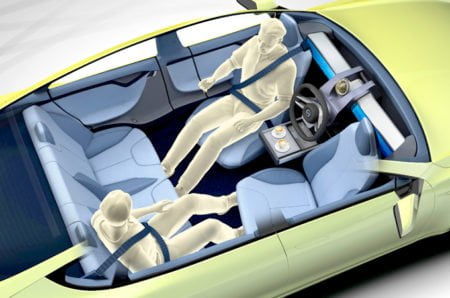
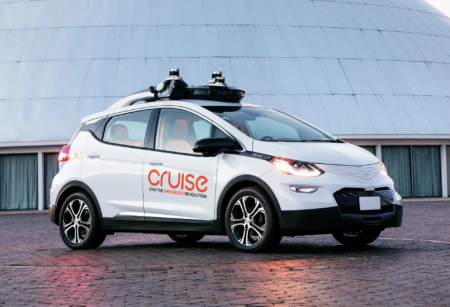
* Autonomous Driving: While still evolving, self-driving cars rely heavily on a vast network of sensors (lidar, radar, cameras) and real-time data processing to perceive their environment and navigate safely.

These examples merely scratch the surface of IoT’s vast potential. As the technology matures and becomes more integrated, its applications will only continue to multiply, reshaping how we live, work, and interact with the world.

The Data Dimension: AI, Analytics, and the Value of IoT Data

The true power of the Internet of Things isn’t just in connecting devices; it’s in the immense volume and velocity of data these connections generate. This data, often referred to as “big data,” is the lifeblood of IoT, and its value is unlocked through sophisticated analytics and artificial intelligence. Without intelligent processing, raw sensor readings are just noise; with it, they become profound insights that drive automation, prediction, and strategic decision-making.

From Raw Data to Actionable Intelligence

IoT devices, by their nature, are constant data generators. A single smart city sensor monitoring traffic might generate thousands of data points per minute. Multiply that by millions or billions of devices, and the sheer scale is staggering. This data includes everything from temperature fluctuations and motion detections to GPS coordinates and machine performance metrics.

The journey from raw data to actionable intelligence typically involves several steps:

1. Data Ingestion: Collecting data from diverse sources and protocols at high speed. IoT platforms like AWS IoT Core, Azure IoT Hub, and Google Cloud IoT Core are designed to handle this scale, acting as secure gateways for device connectivity and data streaming.
2. Data Storage: Storing vast amounts of structured and unstructured data efficiently. Cloud storage solutions (e.g., Amazon S3, Azure Blob Storage) and specialized databases (e.g., time-series databases like InfluxDB or Amazon Timestream) are crucial here.
3. Data Processing and Cleaning: Raw data is often imperfect – it can be noisy, contain errors, or have missing values. Pre-processing involves filtering, cleaning, transforming, and aggregating data to make it suitable for analysis. This can happen at the edge (on the device or gateway) or in the cloud.
4. Data Analytics: Applying statistical methods and algorithms to uncover patterns, trends, and anomalies. This can range from simple descriptive analytics (what happened?) to advanced predictive analytics (what will happen?) and prescriptive analytics (what should we do?).
5. Machine Learning and AI: This is where IoT data truly shines. AI and ML algorithms can:
* Automate Decision-Making: A smart thermostat uses ML to learn your schedule and preferences, automatically adjusting temperatures for comfort and energy savings.
* Enable Predictive Maintenance: By analyzing historical sensor data from machinery, ML models can predict equipment failure before it occurs, allowing for proactive intervention.
* Optimize Operations: AI can analyze traffic patterns from smart city sensors to dynamically adjust traffic light timings, reducing congestion. In logistics, AI optimizes delivery routes based on real-time traffic and weather data.
* Personalize Experiences: Retailers use IoT data (e.g., from smart cameras or beacons) combined with AI to understand customer behavior and offer personalized promotions.
* Detect Anomalies: AI algorithms are adept at identifying unusual patterns in data that might indicate a security breach, a failing component, or a critical health event.

The Role of Cloud and Edge Computing

The processing of IoT data often occurs in two main locations:
* Cloud Computing: Centralized, highly scalable data centers that offer massive computational power and storage. Most heavy-duty analytics, long-term data storage, and complex AI model training happen in the cloud. Platforms like AWS IoT Analytics, Azure Stream Analytics, and Google Cloud Dataflow provide specialized services for processing and analyzing IoT data at scale.
* Edge Computing: Processing data closer to its source, either on the IoT device itself or on a local gateway. Edge computing is critical for applications requiring low latency (e.g., autonomous vehicles, real-time industrial control), reducing bandwidth usage by filtering irrelevant data before sending it to the cloud, and ensuring operations continue even with intermittent connectivity. For example, a smart camera might use edge AI to identify a potential intruder and only send an alert (not continuous video) to the cloud.

The synergy between edge and cloud computing allows IoT systems to combine real-time responsiveness with powerful, large-scale data analysis, creating a robust and intelligent infrastructure. This data-driven approach is what elevates IoT from mere connectivity to a truly transformative force, unlocking unprecedented value from the physical world.

Challenges and Considerations: Navigating the IoT Landscape

While the promise of IoT is immense, its widespread adoption also brings forth significant challenges that must be addressed for its secure, ethical, and effective implementation. These hurdles range from technical complexities to profound societal implications.

1. Security and Privacy

This is arguably the most critical concern for IoT.
* Vulnerability of Devices: Many IoT devices are designed for low cost and low power consumption, often lacking robust security features. This makes them susceptible to hacking, which can lead to data breaches, device hijacking (e.g., botnets like Mirai), or even physical harm in critical infrastructure. A compromised smart home device could be a gateway for cybercriminals to access an entire home network.
* Data Privacy: IoT devices collect vast amounts of personal and sensitive data (location, health metrics, habits). Ensuring this data is protected from unauthorized access, misused, or sold without consent is a monumental task. Regulations like GDPR and CCPA are attempts to address this, but the global nature of IoT makes consistent enforcement challenging.
* Lack of Standardization: The fragmented nature of the IoT ecosystem means there’s no single security standard, leading to inconsistent protection levels across different devices and platforms.

2. Interoperability and Standards

The IoT landscape is a patchwork of different manufacturers, protocols, and platforms.
* Fragmented Ecosystem: Devices from different vendors often struggle to communicate seamlessly with each other. A smart light bulb from one brand might not work with a smart hub from another, limiting choice and hindering the creation of truly integrated smart environments.
* Protocol Wars: A multitude of communication protocols (Wi-Fi, Bluetooth, Zigbee, Z-Wave, LoRaWAN, NB-IoT, etc.) exist, each with its strengths and weaknesses. This fragmentation makes it challenging for developers to create universal solutions and for consumers to build cohesive IoT systems.
* Data Formats: Different devices may use different data formats, requiring complex translation layers to aggregate and analyze data from various sources.

3. Scalability and Management

As the number of connected devices explodes, managing them becomes increasingly complex.
* Device Management: Deploying, monitoring, updating, and decommissioning millions or billions of devices presents significant operational challenges. Ensuring firmware updates are applied securely and consistently across a vast network is a logistical nightmare.
* Data Overload: The sheer volume of data generated by IoT devices can overwhelm existing infrastructure and analytic capabilities if not properly managed. Storing, processing, and deriving insights from petabytes of data requires robust, scalable cloud and edge computing solutions.

4. Power Consumption and Connectivity

Many IoT applications, particularly in remote areas or for battery-powered devices, face constraints.
* Battery Life: For many devices, especially wearables or sensors in inaccessible locations, long battery life is crucial. This often dictates the choice of low-power communication protocols (like LoRaWAN or NB-IoT) and efficient data transmission strategies.
* Network Coverage: Reliable connectivity is not ubiquitous, particularly in rural areas or underground. This limits the deployment of certain IoT solutions.

5. Ethical and Societal Implications

Beyond technical hurdles, IoT raises profound ethical questions.
* Surveillance: Pervasive sensing capabilities, especially in smart cities or public spaces, raise concerns about constant surveillance and the erosion of privacy.
* Bias in AI: If AI models trained on IoT data contain biases, they could lead to discriminatory outcomes in areas like resource allocation or policing.
* Job Displacement: Automation driven by IoT in industries like manufacturing and logistics could lead to job displacement, requiring workforce retraining and social adjustments.
* Digital Divide: Access to IoT technologies could exacerbate existing inequalities, creating a divide between those who can afford and benefit from smart environments and those who cannot.

Addressing these challenges requires a multi-faceted approach involving technological advancements, robust regulatory frameworks, industry collaboration on standards, and public education. Only by proactively tackling these issues can we ensure that IoT fulfills its potential in a way that is secure, equitable, and beneficial for all.

The Future of IoT: Pervasive Intelligence and Beyond

The Internet of Things is not a static technology; it’s a rapidly evolving ecosystem poised for even greater integration and intelligence. As foundational technologies mature and new paradigms emerge, IoT will become even more pervasive, seamless, and transformative. The future promises a world where the physical and digital realms are indistinguishable, driven by an ambient intelligence woven into the fabric of our environment.

Deep Integration with AI and 5G

The symbiotic relationship between IoT and other cutting-edge technologies will define its next phase:
* AI Everywhere: The future of IoT is inherently intelligent. AI will move beyond just data analysis to enable proactive, autonomous decision-making at the edge. Devices will not only collect data but also interpret it, learn from it, and adapt their behavior without constant cloud intervention. This localized intelligence will power truly smart homes, factories, and cities that anticipate needs and respond dynamically.
* 5G as the Backbone: The rollout of 5G networks is a game-changer for IoT. Its ultra-low latency, massive capacity, and high bandwidth will unlock entirely new applications, especially those requiring real-time responsiveness and the connection of billions of devices. Think of autonomous vehicles communicating instantly with each other and city infrastructure, or surgical robots performing remote operations with virtually no delay. 5G also enables Mobile Edge Computing (MEC), bringing cloud-like processing power even closer to the IoT devices, further enhancing real-time capabilities.

Digital Twins: Bridging Physical and Virtual Worlds

Digital twins are virtual replicas of physical objects, systems, or processes. They are fed real-time data from their physical counterparts via IoT sensors, allowing for continuous monitoring, simulation, analysis, and optimization.
* Predictive Power: By simulating “what-if” scenarios, digital twins can predict how physical assets will behave under different conditions, enabling proactive maintenance, optimized performance, and improved design. For example, a digital twin of a wind turbine can simulate stress points and potential failures, extending its operational life.
* Complex System Management: In smart cities or large industrial plants, digital twins can model entire ecosystems, allowing urban planners or plant managers to optimize resource allocation, manage traffic flow, or test the impact of changes before implementing them in the physical world.

Ambient Computing and Hyper-Personalization

The future envisions an environment where technology is nearly invisible, yet constantly aware and responsive to human needs.
* Contextual Awareness: IoT devices will collectively build a richer understanding of context – who you are, where you are, what you’re doing, and even your emotional state – to provide hyper-personalized experiences. Imagine a car that adjusts its internal environment based on your stress levels detected by a wearable, or a home that proactively creates an ideal atmosphere for relaxation upon your return.
* Seamless Interaction: Voice, gesture, and even thought interfaces will become more prevalent, reducing the need for explicit commands. Technology will fade into the background, operating intuitively based on learned preferences and real-time conditions.

Sustainable IoT and Environmental Impact

As the number of connected devices grows, so does the concern for their environmental footprint. The future of IoT will increasingly focus on sustainability:
* Energy Efficiency: Development of ultra-low-power devices and energy harvesting technologies to reduce battery waste and energy consumption.
* Circular Economy: Designing IoT devices for repairability, recyclability, and resource efficiency throughout their lifecycle.
* Environmental Monitoring: IoT will play a crucial role in monitoring climate change, tracking pollution, managing natural resources, and enabling sustainable agriculture, essentially becoming a critical tool for environmental protection.

The Metaverse and the Internet of Bodies (IoB)

While speculative, these concepts represent the far horizon of IoT:
* Metaverse Integration: As the metaverse evolves, IoT devices could serve as bridges, bringing real-world data and interactions into virtual spaces, or allowing virtual actions to impact physical devices.
Internet of Bodies (IoB): Extending IoT to devices inside or on* the human body for advanced health monitoring, prosthetics, or even brain-computer interfaces. This raises significant ethical and privacy questions that will need careful consideration.

The trajectory of IoT points towards a future where intelligence is embedded into every object, every space, and every interaction. It’s a future of unparalleled efficiency, convenience, and insight, but also one that demands careful attention to security, ethics, and human-centric design to ensure it serves humanity’s best interests.

Frequently Asked Questions

Q1: What is the main difference between IoT and AI?
1: IoT and AI are distinct but highly complementary technologies. IoT refers to the network of physical devices embedded with sensors, software, and other technologies that connect and exchange data over the internet. It’s about connectivity and data collection from the physical world. AI, on the other hand, refers to the simulation of human intelligence in machines, enabling them to learn, reason, perceive, and solve problems. In the context of IoT, AI is often the “brain” that processes the vast amounts of data collected by IoT devices, extracting insights, making predictions, and enabling intelligent automation. IoT provides the data, and AI provides the intelligence to make that data useful.
Q2: Is IoT secure? What are the biggest security concerns?
2: IoT security is a significant concern and a major challenge. Many IoT devices are designed for low cost and low power, often with limited built-in security features. This makes them vulnerable to various threats, including hacking, data breaches, and becoming part of botnets (networks of compromised devices used for cyberattacks). The biggest concerns include weak default passwords, unpatched vulnerabilities, lack of encryption, and insufficient authentication mechanisms. Ensuring IoT security requires a multi-layered approach, including secure device design, robust encryption, regular software updates, strong authentication, and secure network infrastructure.
Q3: What are the main components of an IoT system?
3: A typical IoT system comprises four main components:
Q4: How will 5G impact the Internet of Things?
4: 5G is expected to have a profound impact on IoT, acting as a critical enabler for many advanced applications. Its key advantages for IoT include:
Q5: What are some common examples of IoT devices in everyday life?
5: IoT devices are becoming increasingly common and integrated into daily life. Some prevalent examples include: