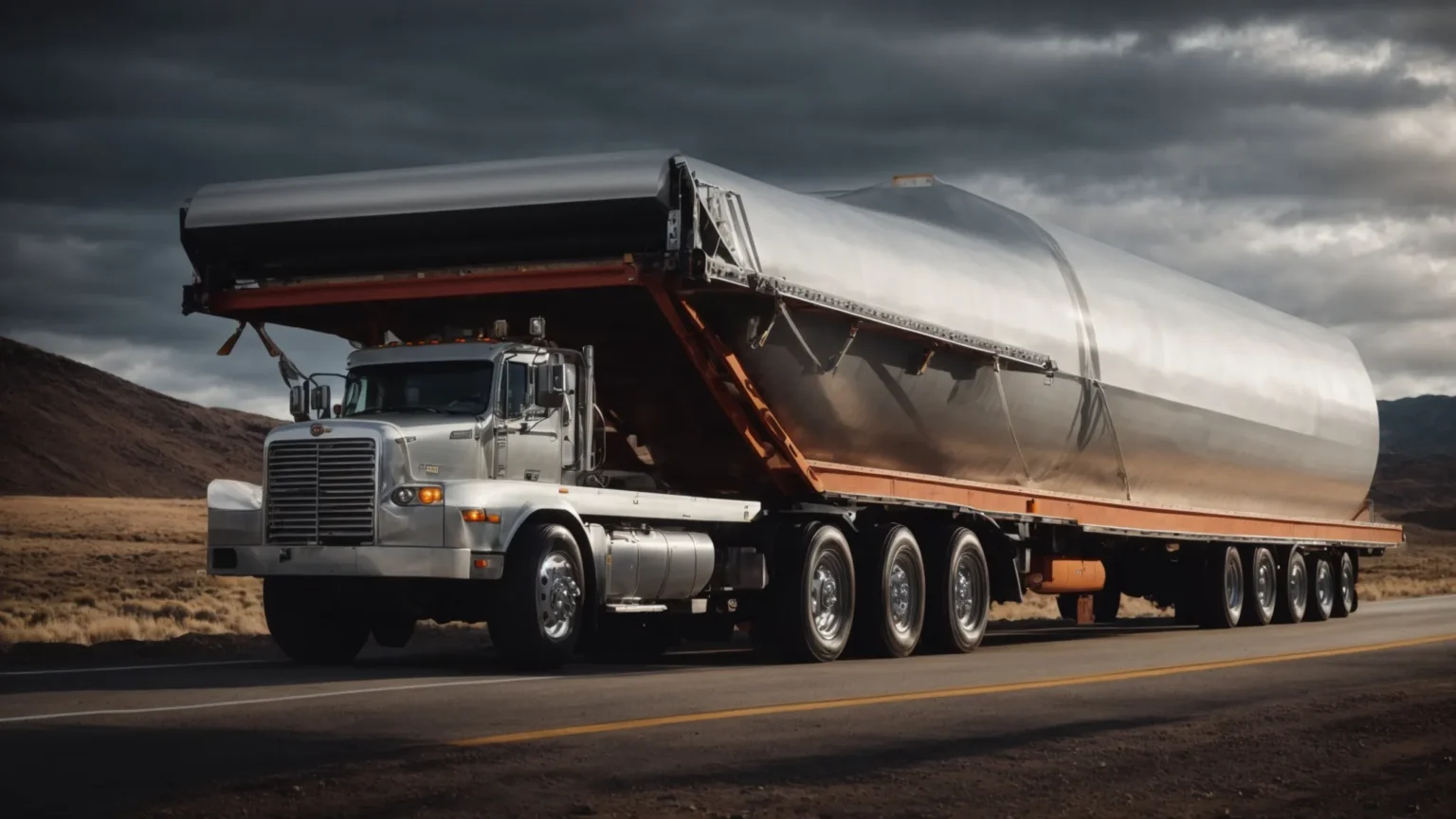
How Upgrading to Aluminum Truck Flatbeds Enhances Towing Capacity
When truck owners evaluate ways to boost their vehicles’ hauling capabilities, upgrading to a lightweight aluminum truck flatbed can offer a significant advantage. Aluminum’s high strength-to-weight ratio allows for increased towing capacity, often a sought-after improvement for those requiring heavy-duty performance. This transition not only enhances the truck’s functionality but also contributes to better fuel economy and reduced wear and tear over time.
Switching to an aluminum flatbed from traditional materials like steel can transform the efficiency and capability of your towing operations. In this article, we’ll delve into the specific benefits of aluminum flatbeds, compare them with their steel counterparts, and provide practical insights on installation and maintenance. Below, discover how making the leap to aluminum can elevate your towing and hauling experiences.
Enhancing Towing With Aluminum Flatbeds
One of the most compelling reasons to choose aluminum truck flatbeds is their contribution to increased towing capacity. The lighter weight of aluminum reduces the overall mass of the vehicle, allowing for more weight to be allocated to the cargo. In specific numbers, trucks can see a payload advantage of several hundred pounds, depending on the size of the flatbed.
This weight advantage directly translates to an ability to haul heavier equipment or materials, which can be particularly beneficial for industries like construction or agriculture. Moreover, the inherent corrosion resistance of aluminum ensures this performance boost is not short-lived, as it maintains structural integrity longer than many steel alternatives.
For truck owners considering an upgrade, it is advisable to consult a specialist to ensure the chosen flatbed configuration aligns with both the towing vehicle’s specifications and the intended cargo types. Careful consideration ensures a perfect balance of performance and safety.
Comparing Aluminum to Traditional Steel Flatbeds
When stacked against standard steel flatbeds, aluminum alternatives stand out for their weight efficiency and durability. For instance, aluminum can be up to 50% lighter than steel, which translates to reduced strain on the vehicle’s engine and suspension systems. This weight difference can significantly impact the vehicle’s handling and braking performance, especially under full load conditions.
Furthermore, aluminum offers a naturally higher resistance to rust and corrosion compared to steel. This not only contributes to a longer lifespan of the flatbed but also consistently maintains the vehicle’s tidy appearance with minimal maintenance efforts. For truck owners, this means fewer concerns about the long-term effects of environmental factors on their vehicle’s key components.
Prospective buyers should weigh the initial cost against the long-term savings in fuel, maintenance, and the potential for increased workload capacity. The upfront investment in an aluminum flatbed may quickly be recouped through these cumulative benefits.
Aluminum Flatbeds, Fuel Efficiency, and Payload
Aside from increased towing capacity, aluminum truck flatbeds positively affect fuel efficiency. The correlation between a lighter vehicle body and reduced fuel consumption is clear; less energy is required to move a lighter load, which translates to savings at the pump. This can result in measurable decreases in operational costs over time.
Adding to the payload advantage, aluminum flatbeds enable the transportation of larger quantities of goods in a single trip, promoting more efficient logistics and work operations. This can significantly impact throughput rates for businesses that depend on transportation and delivery schedules.
Vital to achieving these benefits is coupling the aluminum flatbed with an appropriately powered tow vehicle. Truck owners should consider their typical hauls and work with manufacturers that can customize flatbed designs to match specific hauling requirements, optimizing performance potential.
Installation and Maintenance for Aluminum Flatbeds
Installing an aluminum truck flatbed often presents a straightforward process, and many manufacturers offer ready-to-install options that incorporate features such as stake pockets, tie-downs, and headache racks. Nevertheless, professional installation is recommended to ensure the flatbed is secured accurately and meets safety regulations.
Maintenance for aluminum flatbeds is decidedly lower than for their steel counterparts. The non-corrosive nature of aluminum alleviates the need for regular rust-proofing treatments, and simple cleaning measures are usually sufficient to maintain the truck bed’s condition and appearance.
Ultimately, upgrading to an aluminum truck flatbed can significantly elevate a truck’s towing capacity, alongside offering advantages in fuel efficiency and lowered maintenance requirements. These benefits create a compelling case for a switch, particularly for those in sectors where maximum payload and durability are critical. Considering the longevity and performance enhancements, the investment in aluminum truck flatbeds can lead to substantial cost savings and operational efficiencies for truck owners and businesses alike.