Common Furnace Problems in Malvern: Quick Fixes Every Homeowner Should Know
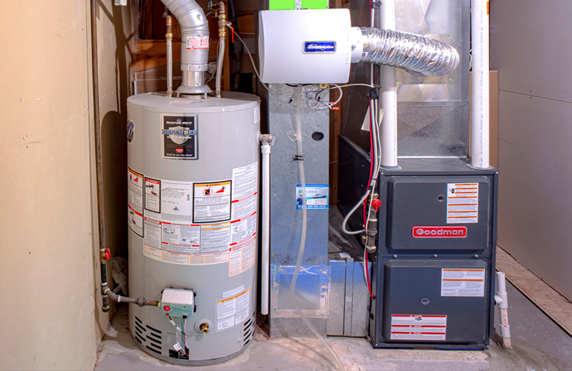
When winter hits Malvern, furnace problems show up fast: cold air blowing from vents, constant on-off cycling, weak airflow, or a pilot light that won’t stay lit. The good news? Most issues start with simple, predictable symptoms you can spot early.
This guide breaks down the most common furnace problems in Malvern, the quick DIY checks you can safely try, and the clear warning signs that mean it’s time to call for professional help.
Why Is Your Furnace Blowing Cold Air? (Fix It Fast)
Nothing kills comfort faster than cold air coming from your vents when you’re expecting heat. A furnace blowing cold air usually signals one of three key failures: blocked airflow, thermostat issues, or ignition problems.
Blocked airflow from a dirty filter or closed vents makes the heat exchanger overheat. The system shuts off the burner for safety, leaving only the blower running, which circulates cold air throughout your home.
Thermostat problems like wrong settings, dead batteries, or wiring issues stop the heat call completely. Your furnace thinks everything’s fine, so it never fires up.
Ignition failure in gas furnaces means no combustion happens, even when everything else looks normal. No flame equals no heat.
Quick Checks You Can Do Right Now
Before calling for help, try these safe DIY steps:
Check your thermostat first. Make sure it’s set to “heat,” and the temperature is higher than your current room temp. Replace the batteries if the display looks dim or blank.
Inspect your furnace filter. A clogged filter is the #1 cause of airflow problems. If it looks dirty or hasn’t been changed in months, replace it immediately with the correct size.
Verify power to your furnace. Check that the power switch near the furnace is on and the breaker hasn’t tripped. It sounds simple, but you’d be surprised how often this fixes the problem.
For gas furnaces with pilot lights, check if the pilot is lit. If it’s out and your manufacturer’s instructions say it’s safe to relight, follow those steps carefully. If the pilot won’t stay lit or you smell gas, leave the area and call a professional immediately.
These quick checks solve cold-air issues within minutes when the problem is simple. But if the blower still only pushes cold air after trying these steps—or if you smell gas, see yellow flames, or notice soot—stop immediately and get professional furnace repair help.
What to Do When Your Furnace Won’t Turn On At All
A completely dead furnace usually comes down to electrical issues, thermostat faults, or safety switches.
Start with the basics: verify the power. Walk to your furnace and make sure the power switch is on. Check your breaker panel; a tripped breaker looks different from the others and needs to be reset.
Next, check your thermostat settings. Dead batteries, incorrect programming, or wrong mode settings can make your furnace appear completely broken when it’s just not getting the signal to start.
Finally, inspect for safety shutoffs. Modern furnaces have multiple safety switches that trip if the system overheats or detects unsafe conditions. A dirty filter, blocked vents, or closed doors can trigger these switches and shut everything down.
The Short Cycling Problem: Why Your Furnace Won’t Stay On
Does your furnace turn on for just a few minutes, shut off, then start again shortly after? That’s short cycling, and it’s hard on your system.
Short cycling happens when:
- Airflow is restricted by dirty filters or closed vents
- Your thermostat sits too close to a heat source, like a lamp or sunny window
- The system is oversized for your home and reaches temperature too quickly
Immediate fixes: Replace your filter, open all vents and registers, and check if your thermostat is getting false readings from nearby heat sources.
If short cycling continues after these fixes, you likely need professional furnace maintenance to check system sizing, control calibration, or heat exchanger health.
Pilot Light Problems: When to DIY and When to Call
Gas furnace pilot lights should burn steadily and blue. Warning signs include:
- Flickering or yellow flames
- Pilot that won’t stay lit
- Soot or black deposits near the burner
- Any smell of gas
If you smell gas, don’t try to relight anything. Don’t use light switches or create any spark. Evacuate immediately and call for emergency furnace repair service.
For a pilot that simply went out (no gas smell), you can try relighting once, following your manufacturer’s exact instructions. If it won’t stay lit after one proper attempt, call a technician. A failing thermocouple or gas valve needs professional diagnosis.
The Simple Fix That Solves Half Your Problems: Clean Filters
A dirty furnace filter causes more problems than almost anything else. Reduced airflow, higher energy bills, short cycling, uneven heating—all point back to a clogged filter.
How often should you change it? Check monthly during heavy use and replace when it looks dirty. Most homes need new filters every 1-3 months, depending on pets, allergies, and system runtime.
Replacement is easy:
- Turn off furnace power
- Locate the filter slot (usually near the blower)
- Remove the old filter and note the size
- Install the new filter with arrows pointing toward the furnace
- Mark your calendar for the next check
This five-minute task prevents countless service calls and keeps your system running all winter.
When to Stop DIYing and Call the Pros
Some furnace problems require professional expertise. Call a licensed technician immediately if you notice:
- Any smell of natural gas or persistent carbon monoxide alarms
- Burning or electrical odors coming from the furnace
- Visible cracks in the heat exchanger
- Persistent short cycling after trying basic fixes
- Strange noises like banging, screeching, or grinding
Professional technicians can safely handle combustion analysis, heat exchanger inspections, gas valve repairs, and advanced diagnostics. Early professional intervention protects your safety, preserves warranties, and often prevents expensive furnace replacements or installations.
Stay Warm and Safe This Winter with Precision Air Heating & Cooling
Understanding common furnace problems helps you act fast when issues arise. Simple checks like thermostat settings and filter replacement solve many problems quickly. But knowing when to call a professional makes all the difference between a quick fix and a dangerous situation.
Stay proactive with monthly filter checks and annual professional furnace maintenance before heating season begins. These simple steps keep your Malvern home comfortable, your energy bills reasonable, and your family safe all winter long.
From quick troubleshooting to expert repairs, Precision Air Heating & Cooling has served Malvern homeowners for years with honest service and reliable solutions. When DIY checks don’t solve the problem, their licensed technicians are ready to diagnose and repair your furnace fast, keeping your home warm when you need it most.